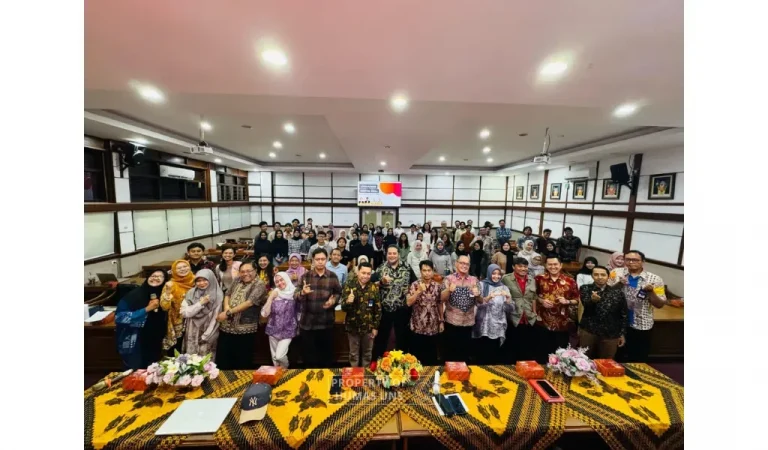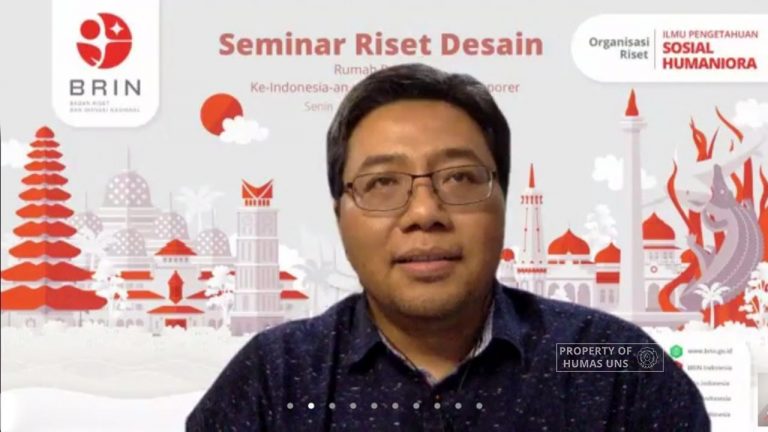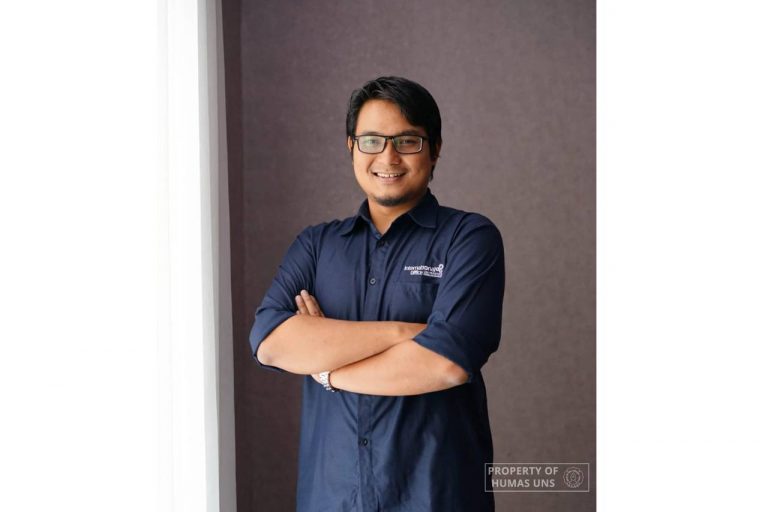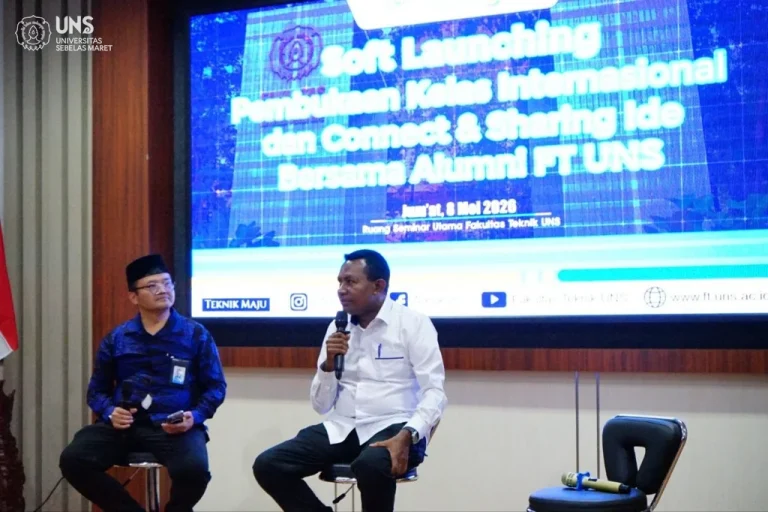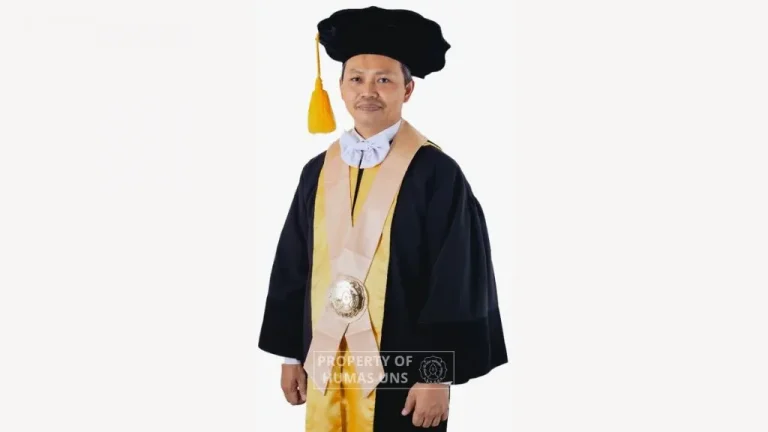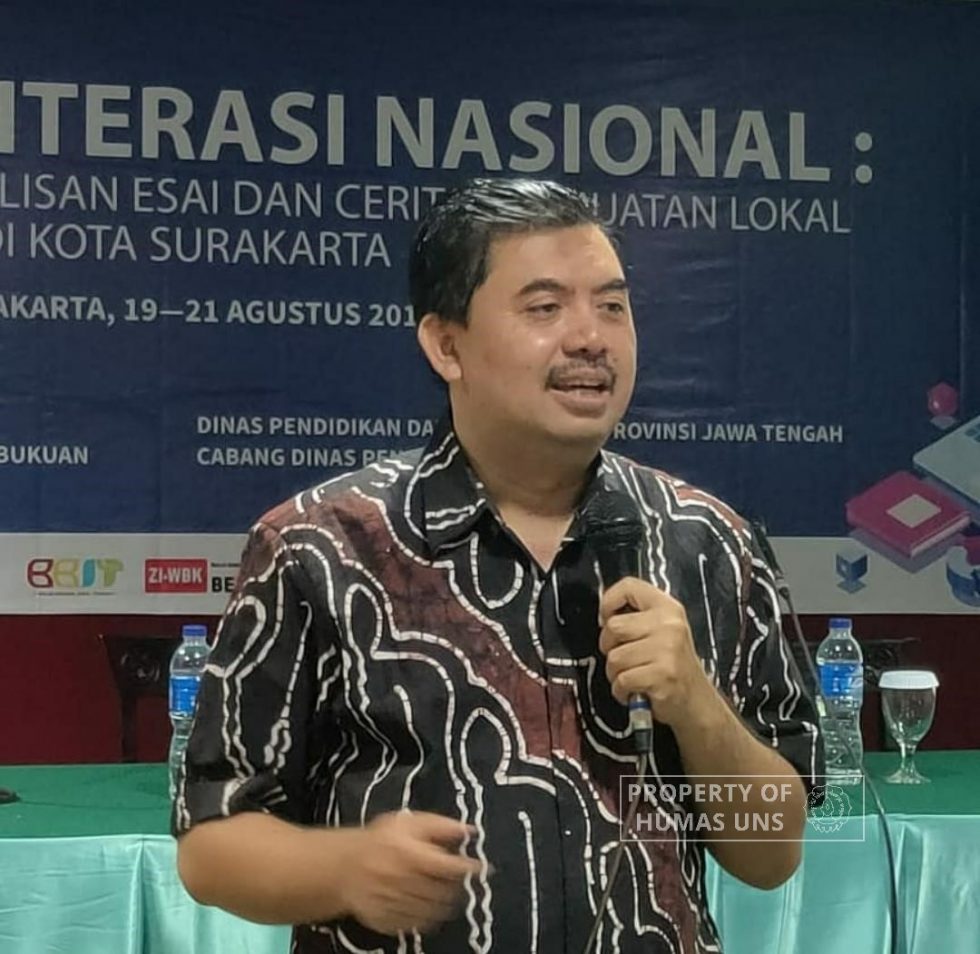
UNS — The Faculty Member of Malay Focus, Indonesian Language and Literature Program Faculty of Cultural Studies (FIB) Universitas Sebelas Maret (UNS) Surakarta shared the importance of preserving and utilizing ancient manuscripts. Asep Yudha Wirajaya, M.A., shared this information in Bincang Sastra (Literature Discussion) held by the Alumni of Teater Sastra (Tesa) Student Association FIB UNS on Sunday (28/3/2021).
Asep Yudha Wirajaya explained that many people in Indonesia bet one eye on the ancient manuscripts, despite the rich science, knowledge, and information contained in the documents. It is not surprising that the policies on old documents have not fully protected this type of heritage. The ancient document is also widely traded in the dark market by irresponsible parties. “They sell it to the foreign collector or other countries, so many of our ancient manuscripts have switch ownership,” he explained.
Law Number 11 of 2010 regarding Cultural Heritage has mentioned that the ancient manuscript is included as a cultural heritage forbidden for sale. However, due to its high market value, between three up to five million for one with good condition, many people still collect and sell this heritage for a living. The philology teacher who has worked in the ancient manuscript field regrets this condition. Ancient manuscripts, he said, contain rich local wisdom and values that can be used to solve today, tomorrow, and future problems, for example, a source for traditional medicinal plants, beauty, disaster mitigation, building and architectural engineering, food resilience, fisheries, and performance arts.
Preservation of this manuscript is hard to do if the government remains ignorant and the education world only focuses on creating students who meet job requirements. “Young generation is also less interested in learning intellectual properties from their ancestors, and there is a misconception on the ancient manuscript as a financial commodity or as an heirloom. This is a big homework for this nation,” he continued.
Asep provided an example of ancient manuscript use in performing arts as inspiration for spectacular new works. For example, I La Galigo created from 13-14th century manuscript in the Bugis-Makassar region, was performed in more than 12 cities and nine countries globally. I La Galigo is designated as the Memory of The World (MoW) by the United Nations of Educational, Scientific, and Cultural Organization (UNESCO), surpassing Ramayana, Mahabarata, and Homerus.
Besides I La Galigo, Indonesia also has Serat Pustaka Raja Purwa from R. Ng. Ronggowarsito is used as a source for wayang kulit, wayang orang, ballet, drama or theater, and film performance. “Kalatidha Manuscript is also processed into ballet and documentary film, Kalabendhu. These (artworks) mean that ancient manuscripts can be used as sources of inspiration and the creation of unlimited performance arts. All depends on the willingness and seriousness of our efforts,” he concluded. Humas UNS
Reporter: Bayu Aji Prasetya
Editor: Dwi Hastuti