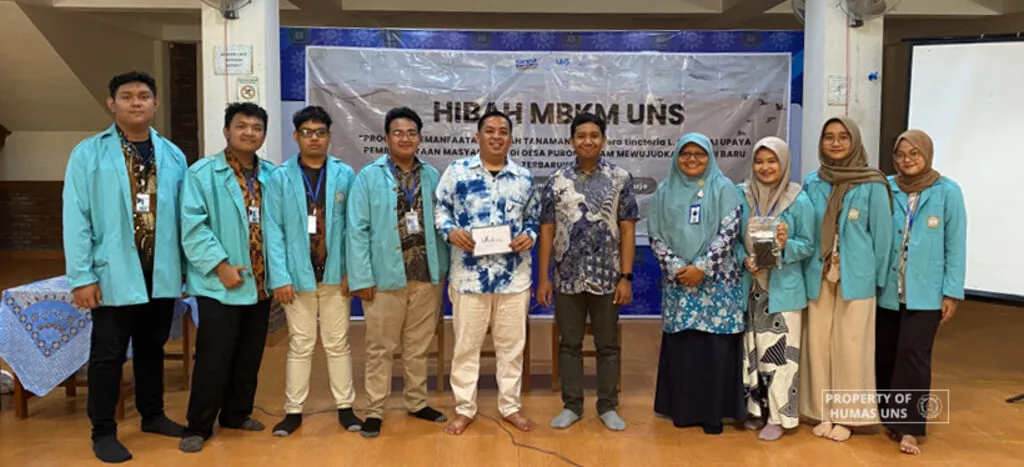
UNS – Students from the Chemical Engineering Study Program, Faculty of Engineering (FT), Universitas Sebelas Maret (UNS) Surakarta have successfully implemented the Merdeka Belajar Kampus Merdeka (MBKM) grant program by supporting the development of renewable energy. The program, titled “Utilizing Indigofera tinctoria L. Plant Waste as a Community Empowerment Effort in Puron Village to Achieve Renewable Energy,” ran from August to December 2024.
The initiative was inspired by the untapped potential of plant waste and Indonesia’s commitment to achieving net-zero emissions by 2060. The MBKM UNS Team ID 971 collaborated with CV Indigo Biru Baru to develop an innovative solution by transforming Indigofera tinctoria L. waste into bio-briquettes, a new renewable energy source.
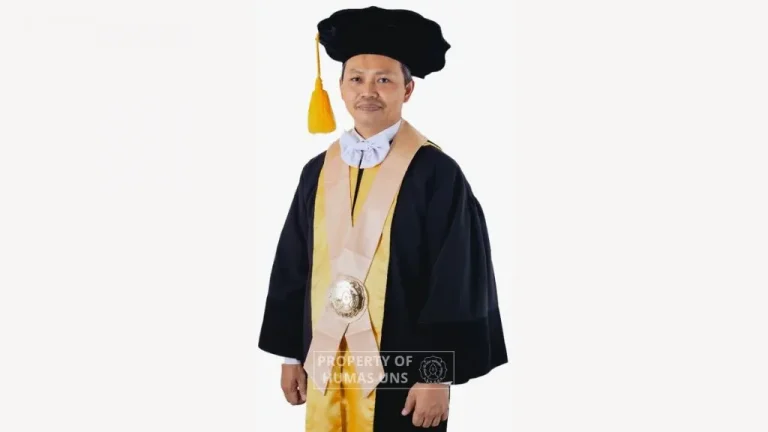
“Excessive use of fossil-based energy sources depletes reserves and contributes to increasing greenhouse gas emissions. Therefore, alternative energy sources that are renewable and environmentally friendly are needed,” Dr. Ir. Joko Waluyo, S.T., M.T., the academic advisor for the UNS MBKM Team ID 971, explained as quoted on the FT UNS website, Friday (27/12/2024).
The bio-briquettes produced have been tested according to the SNI 01-6235-2000 standards. The test results confirmed that the Indigofera tinctoria L.-based bio-briquettes meet the SNI standards, have high calorific value, are of high quality, and are suitable for use.
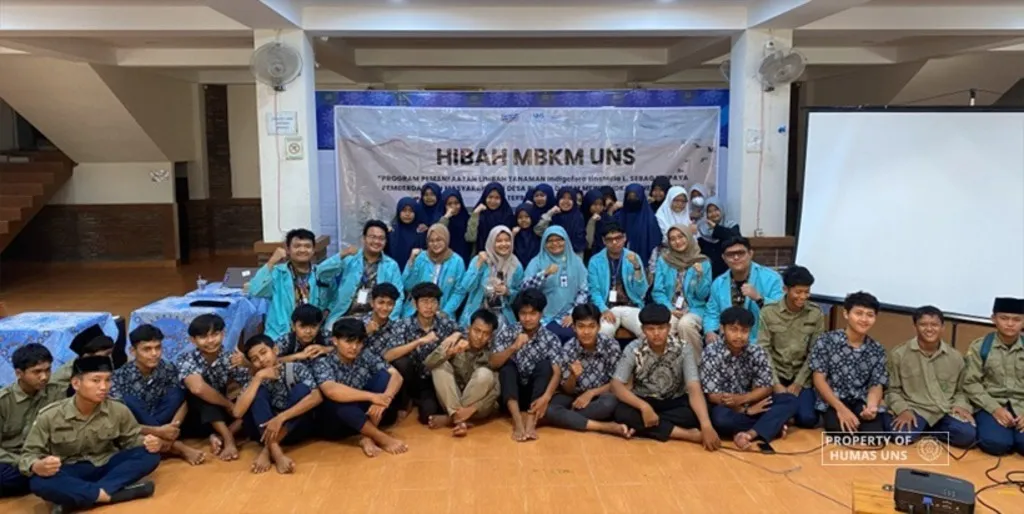
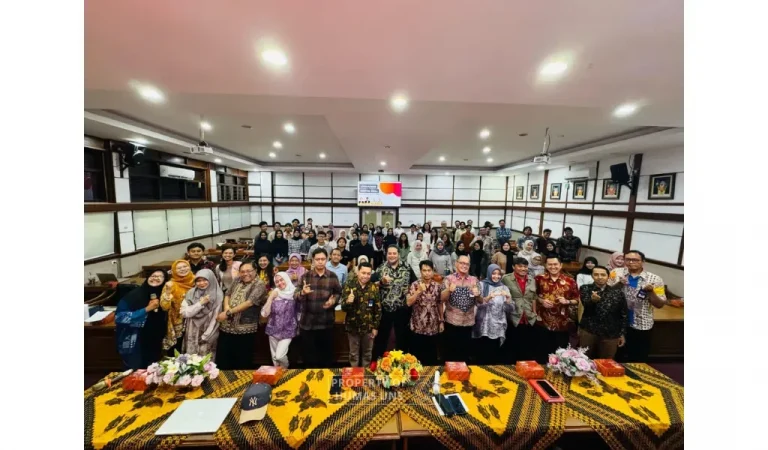
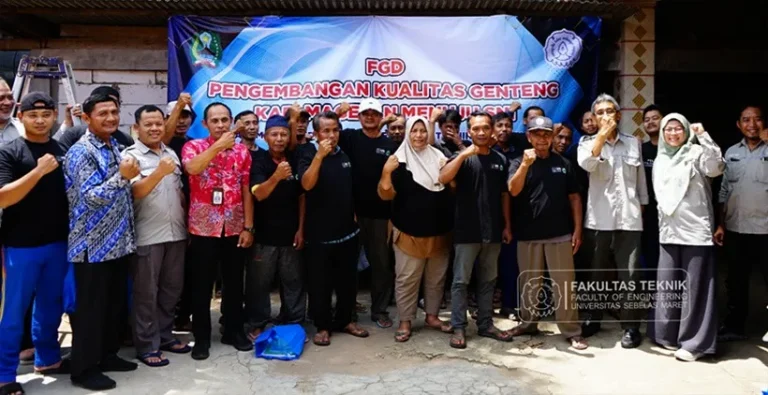
As part of the program, the MBKM UNS team conducted a public outreach event at MA Muhammadiyah Tijarotul Qur’aniyah (MTQ) in Puron Village, located on Puron-Mbecek Street, Sambiroto, Bulu District, Sukoharjo Regency, Central Java, on Saturday (7/12/2024). The activity involved students and educators from the community, introducing the benefits of renewable energy and the use of bio-briquettes.
The collaboration between UNS Chemical Engineering students and the Puron Village community, particularly CV Indigo Biru Baru and MA Muhammadiyah Tijarotul Qur’aniyah, successfully integrated environmental, educational, and economic aspects. This program encouraged students to enhance their academic abilities and contributed directly to community-based renewable energy solutions, utilizing local potential and addressing waste challenges.
This initiative is expected to serve as a strategic model that can be replicated in other regions, paving the way for sustainable energy independence in Indonesia’s future.
The program also aligns with four Sustainable Development Goals (SDGs): SDG 4 (Quality Education), SDG 7 (Affordable and Clean Energy), SDG 11 (Sustainable Cities and Communities), and SDG 17 (Partnerships for the Goals).
HUMAS UNS