UNS — Universitas Sebelas Maret (UNS) Surakarta demonstrated its commitment to preserving and developing local craft centers through Menjalin Penjalin 2026, a rattan craft development workshop held in Trangsan Village, Sukoharjo. The program was led by Pandu Purwandaru, S.Ds., M.Ds., Ph.D., and became part of an international collaboration between UNS and Chiba University, particularly through the Design Culture Laboratory.
The program was organized by the Interior Design Study Program of the Faculty of Fine Arts and Design (FSRD) UNS in collaboration with the UNS Center for Japanese Studies, focusing on strengthening artisans’ capacity as the main subjects in design practice. Carrying the spirit that design is a communal practice rooted in materials, functions, processes, and everyday life experiences, Menjalin Penjalin 2026 positioned artisans as design decision-makers rather than merely production executors.
Amid the pressure of global market preferences and the rapid flow of instant references, the program created a reflective and productive space for artisans to design their own works, determine design directions, and express the local values they possess. This approach also serves as a strategic effort to strengthen the identity of local crafts on a broader stage.
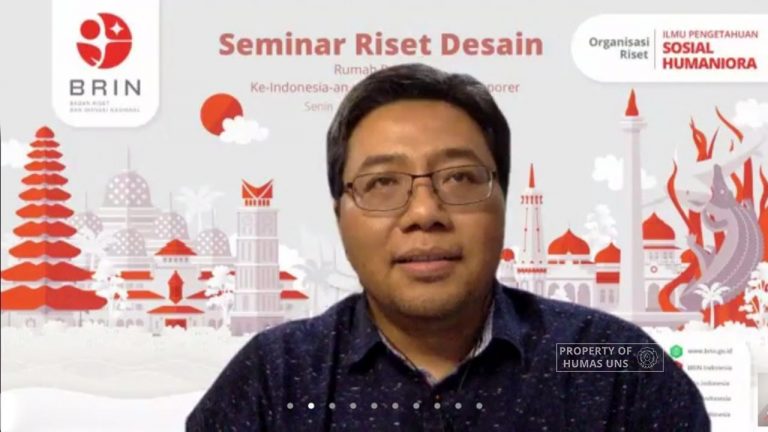
Pandu Purwandaru, S.Ds., M.Ds., Ph.D., explained that Menjalin Penjalin 2026 is also aligned with the Sustainable Development Goals (SDGs), particularly SDG 4 on Quality Education through the implementation of experiential learning models and cross-cultural collaboration, where academics act as facilitators who learn alongside artisans. In addition, the program supports SDG 12 on Responsible Consumption and Production by encouraging the wise exploration of rattan materials and the development of designs rooted in functionality and sustainable production processes. Furthermore, Menjalin Penjalin 2026 represents SDG 17 on Partnerships for the Goals through cross-country and interdisciplinary collaboration between academics and artisan communities, strengthening synergy in local craft development.
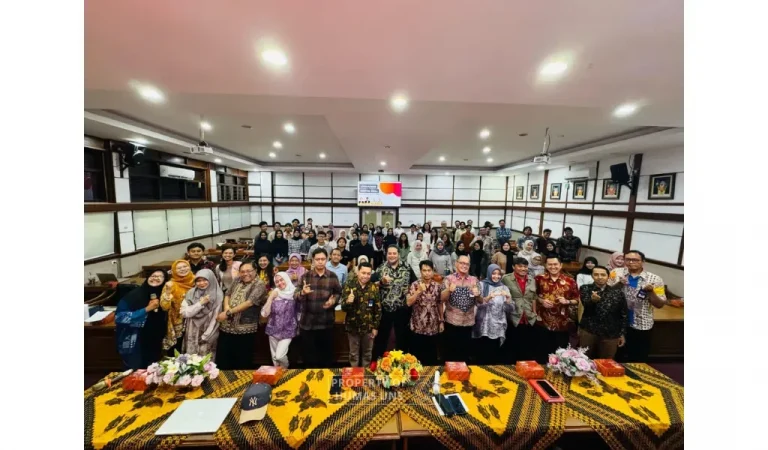
The series of activities took place from 6–15 February 2026. The program began with a village community development study visit to Spedagi as a reference for community empowerment practices based on local potential. This was followed by the main workshop in Trangsan Village and concluded with an exhibition of the final works at LAV Gallery.
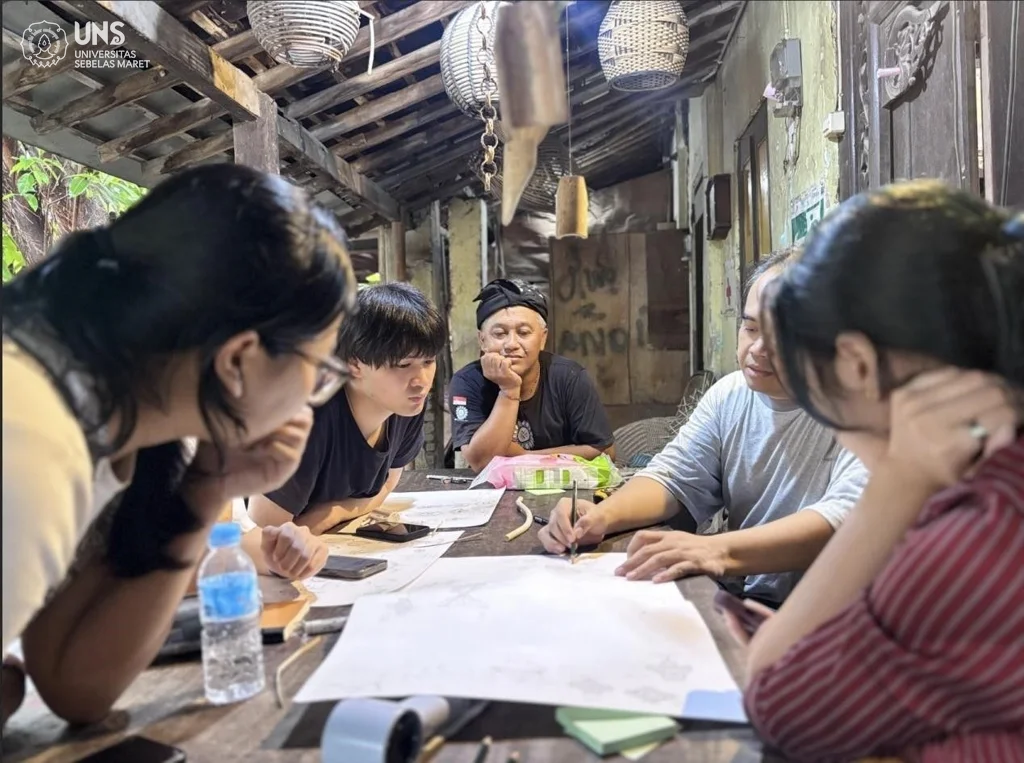
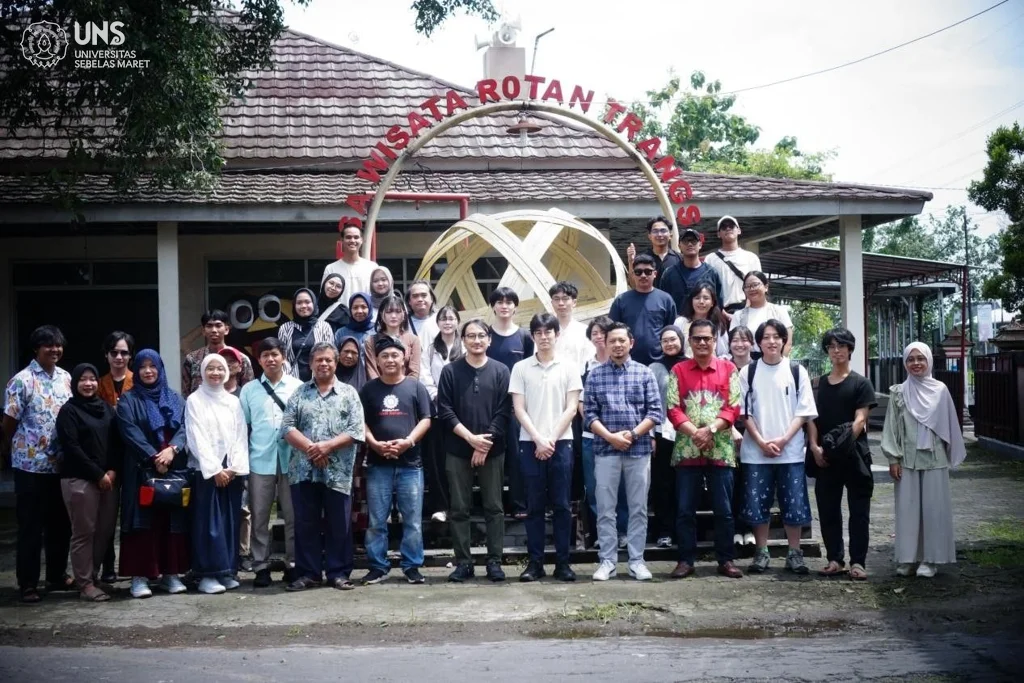
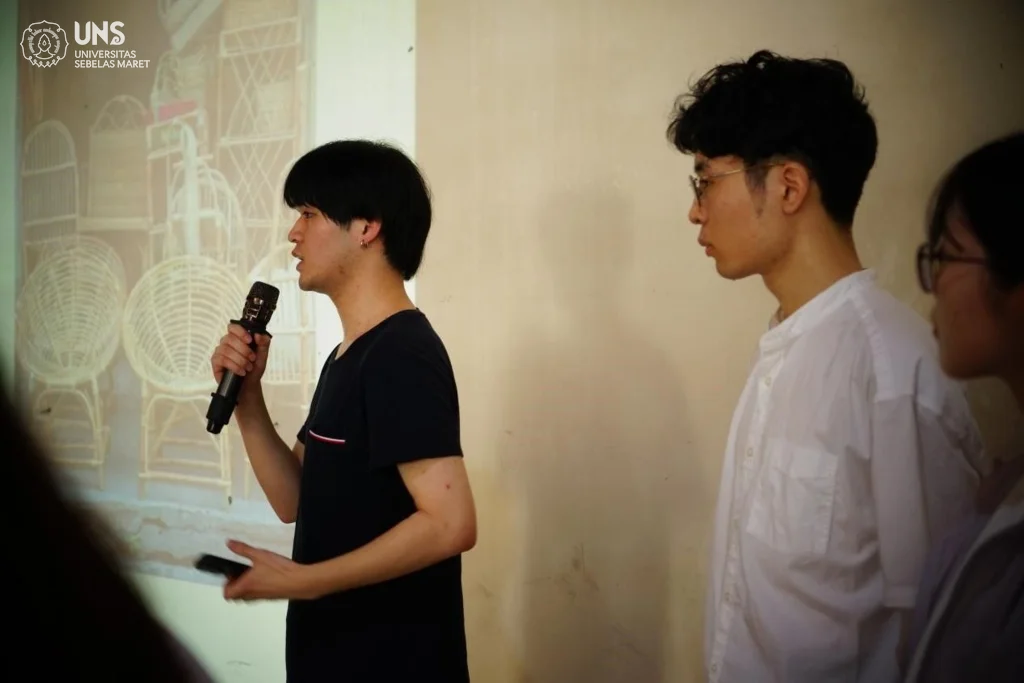
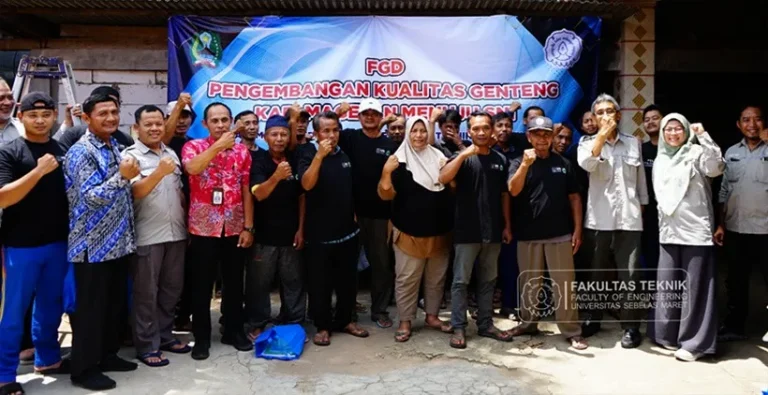
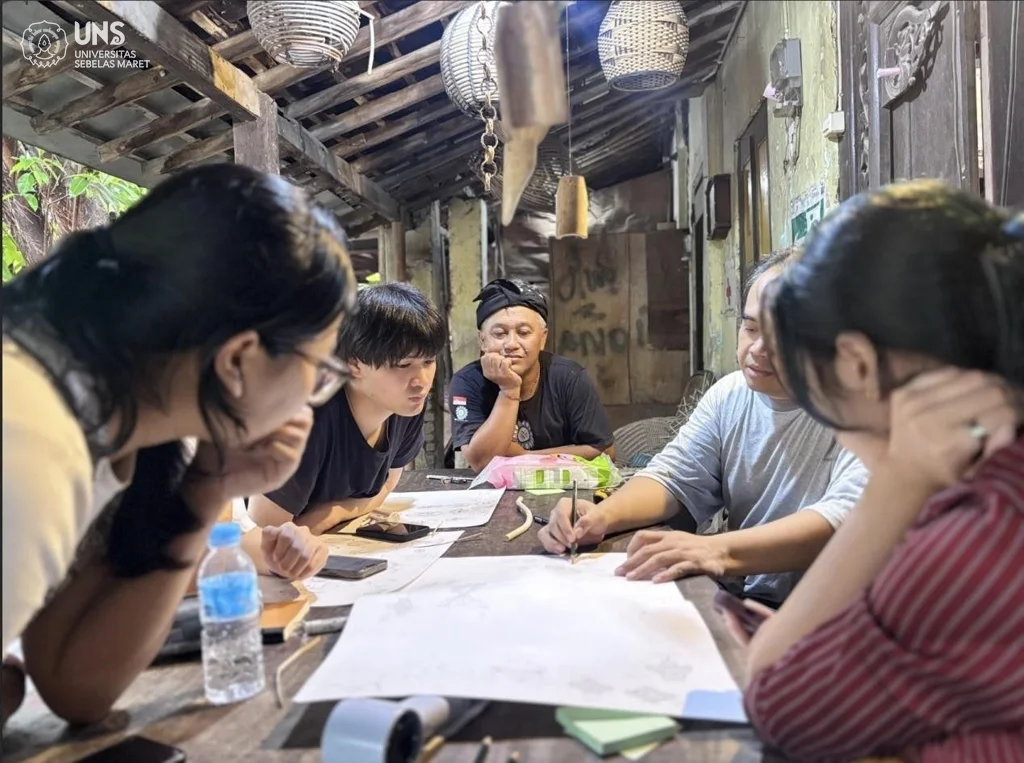
During the workshop, five local Trangsan artisans collaborated in five working groups. Each group consisted of one artisan partnered with UNS lecturers and students, as well as students from Chiba University.
“Academics acted as facilitators who accompanied the idea exploration process, helped translate ideas into sketches, and guided design development so that it remained adaptive to market needs without losing originality and local values,” Pandu explained to uns.ac.id on Monday (30/3/2026).
This collaboration resulted in five rattan craft prototypes: a side table, dingklik (stool), food basket, sling bag, and hanging lamp shade. Each work reflected a philosophy and design concept rooted in the personal experiences and expertise of each artisan, making the products not only functional but also rich in meaning.
The five prototypes were exhibited at LAV Gallery and received wide appreciation from the public as well as academics from various universities, including Institut Seni Indonesia Yogyakarta, Universitas Gadjah Mada, and Universitas Kristen Duta Wacana. The exhibition became a cross-disciplinary dialogue space connecting artisans, academics, and the public in discussions about the future of local crafts.
Through Menjalin Penjalin 2026, UNS and Chiba University hope that the public will become more aware of the beauty and strategic value of local crafts. More importantly, the program emphasizes that artisans are creators with strong ideas, identities, and values—not merely executors of market demands. This initiative is expected to become a sustainable step in preserving the existence and dignity of rattan artisans as an important part of Indonesia’s cultural and creative economic ecosystem.
HUMAS UNS