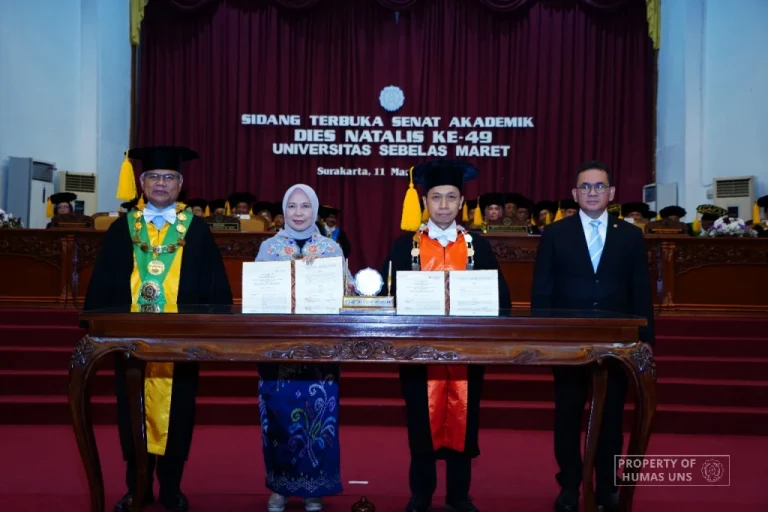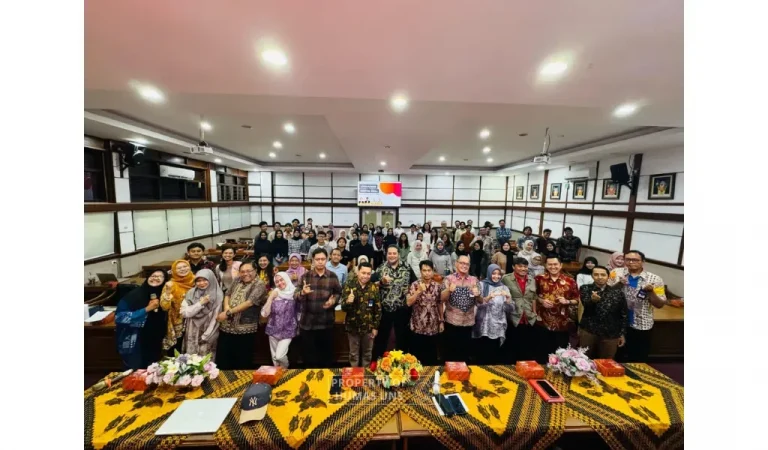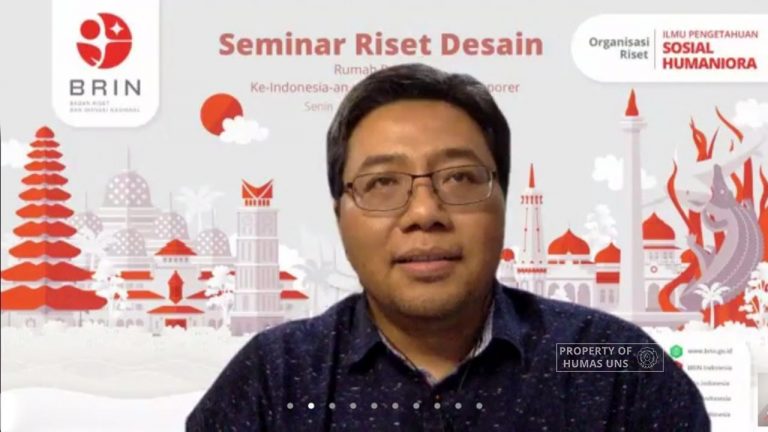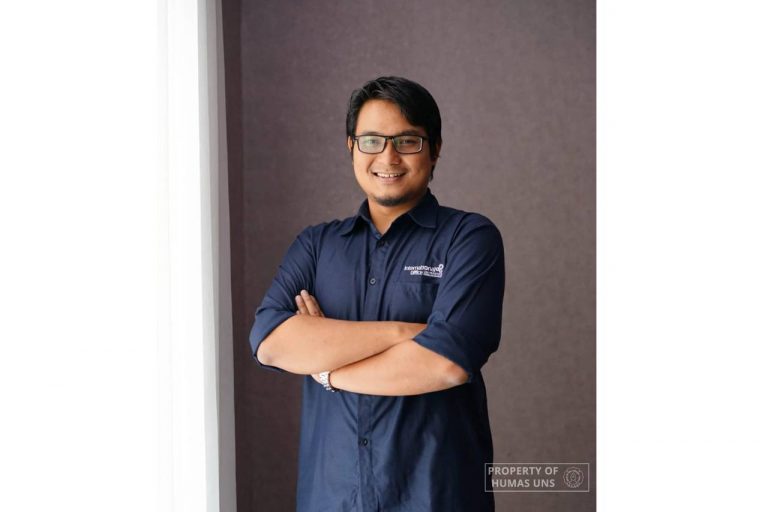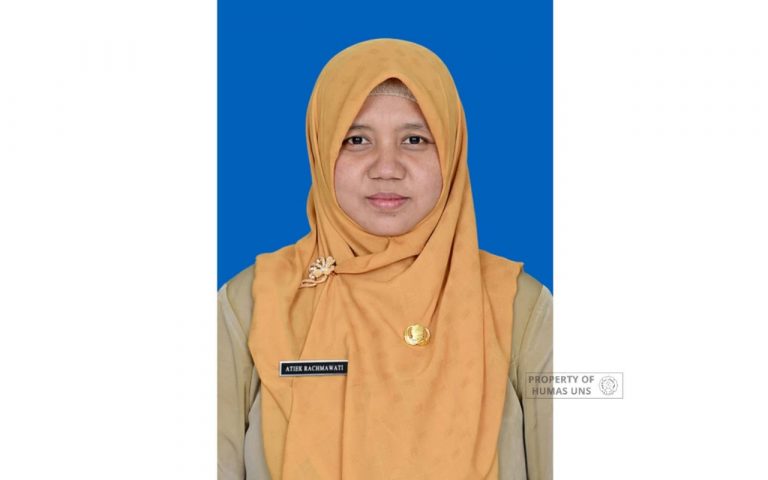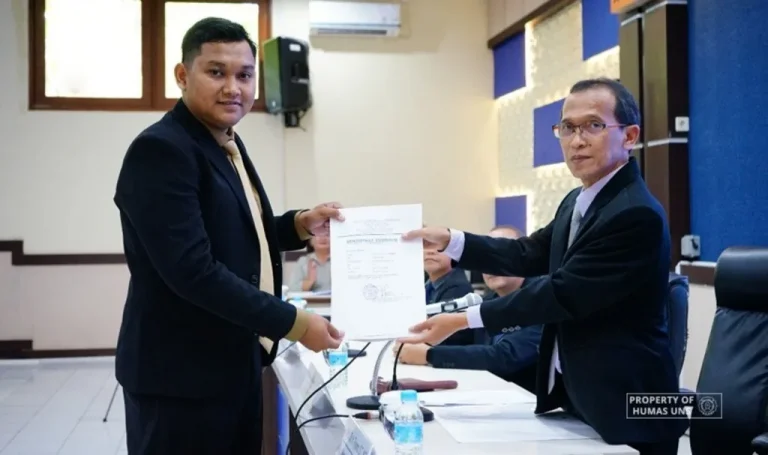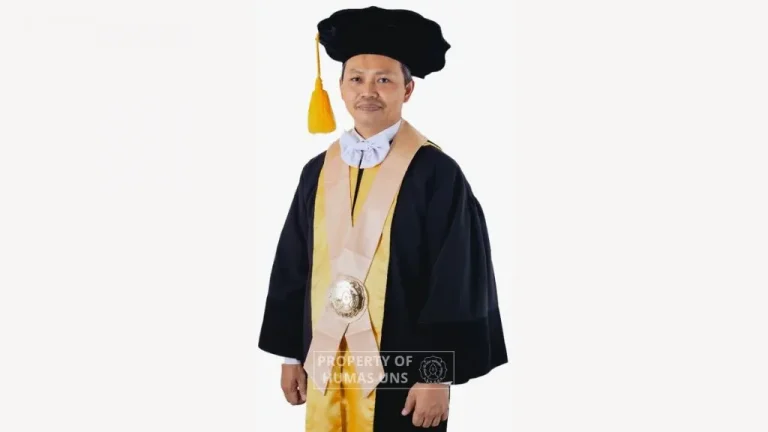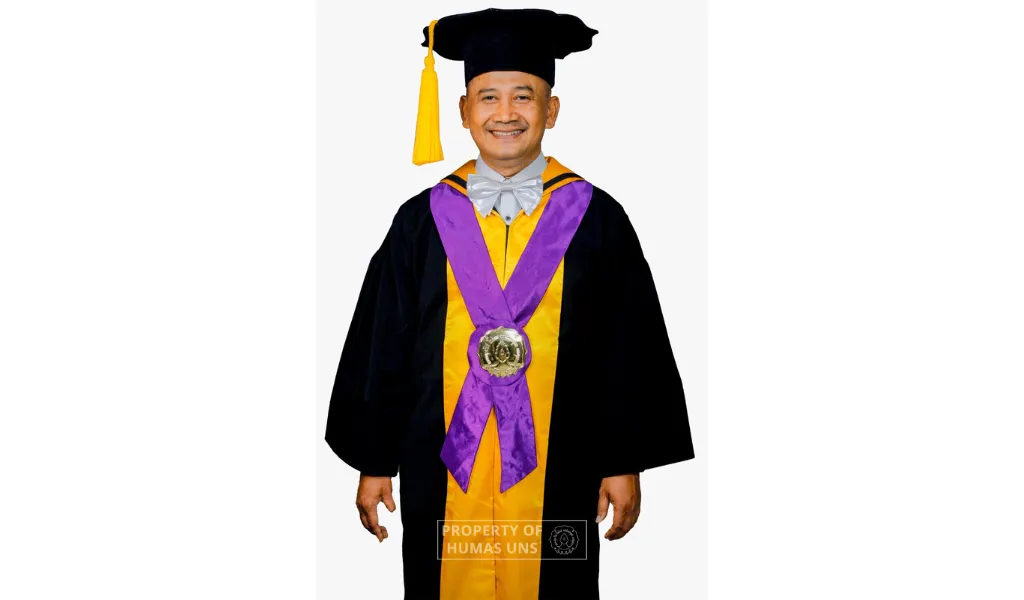
UNS – Prof. Dr. Muhammad Rohmadi, S.S., M.Hum., a lecturer in the Indonesian Language and Literature Education Program (PBSI) at the Faculty of Teacher Training and Education (FKIP), Universitas Sebelas Maret (UNS) Surakarta, was officially inaugurated as a professor on December 18, 2024. The ceremony, led by the Rector of UNS, was held at the G.P.H. Haryo Mataram Auditorium.
“With the strength of love, compassion, enthusiasm, and gratitude to Allah SWT, I have been able to pursue my career, create works, and finally be entrusted with the honor of achieving the academic rank of Professor in the PBSI Program at FKIP,” Prof. Rohmadi said.
In his inaugural speech, Prof. Rohmadi focused on the field of Pragmatics and Pragmatics Learning with the title, “Pragmatic Speech Strategies as a Communication and Literacy Mitigation Tool Against Improper and Impolite Ratulisa in Multicontextual Life.”
Pragmatics, a branch of linguistics, studies the implied meaning behind a speaker’s utterances, considering the context of daily life interactions. Learning pragmatics involves understanding the intentions and objectives of a speaker’s utterance to the hearer, taking into account the contextual factors surrounding the communication. This knowledge helps minimize misunderstandings in both formal and informal communication, especially in the digital era.
“Studying pragmatics can serve as a mitigation tool against hate speech in the digital era, which is characterized by the diverse social media platforms. Why? Because when speakers and hearers share an understanding of the context and shared experiences behind an utterance, the intended meaning can be accurately conveyed,” Prof. Rohmadi explained.
He further emphasized that learning pragmatics is easy and enjoyable as it integrates seamlessly into various life contexts. Pragmatics builds on foundational linguistics, which encompasses areas such as phonology, morphology, syntax, structural discourse, grammar, and semantics. From a functional linguistics perspective, pragmatics expands to include subfields like psychopragmatics, sociopragmatics, cyberpragmatics, sociolinguistics, psycholinguistics, neurolinguistics, dialect geography, and ethnolinguistics.
“Studying pragmatics is about recognizing and implementing pragmatic principles in daily life. It involves understanding speakers, hearers, context, cooperative principles, politeness principles, deixis, and the overall learning of pragmatics in everyday situations,” he added.
By mastering pragmatics, individuals can mitigate hate speech in the digital era across diverse life contexts and social media platforms. “May we all serve as role models for future generations in Indonesia, demonstrating proper, polite, and respectful communication in both formal and informal contexts across various life situations,” Prof. Rohmadi concluded.
HUMAS UNS