UNS — Indonesia faces many natural disasters at the beginning of 2021. These disasters include the recent earthquakes in West Sulawesi, floods in South Kalimantan, Sumedang, and Bogor, not forgetting the eruption of Merapi and Semeru. This situation brings up the question, why does there are many incessant disasters in Indonesia?
Based on the data from the National Agency for Disaster Management (BNPB), during 2020 there are 2,929 natural disasters in Indonesia. Floods become the most frequent disaster with 1,067 cases, followed by the tornado with 875 cases, and volcanic eruption with 7 cases.
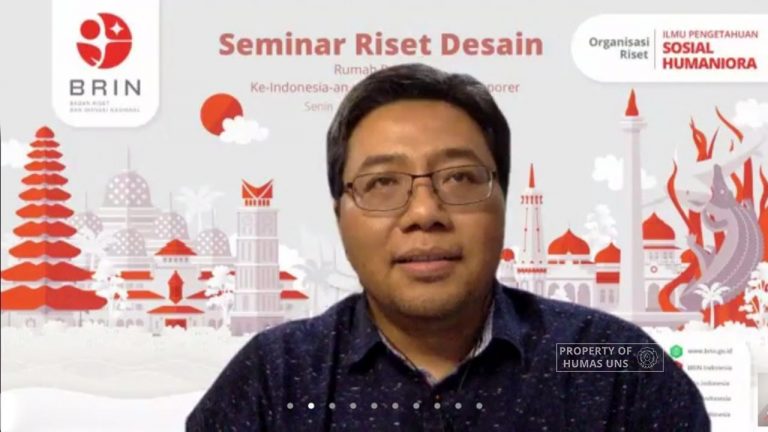
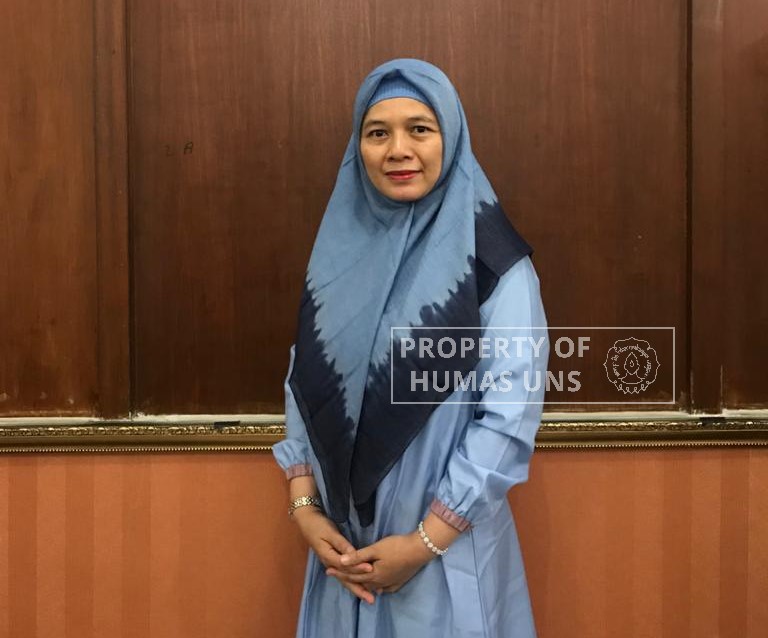
Dr. Rita Noviani, a Peer Group for Disaster Study Center, Institute for Research and Community Engagement (LPPM) Universitas Sebelas Maret (UNS) Surakarta, considers Indonesia as a disaster storefront. “Indonesia is located in the Ring of Fire region, a meeting place of three tectonic plates. Situated on the equator line, not to mention climate and ecological changes due to deforestation. All those conditions lead to plenty of natural disasters,” Dr. Rita explains on Monday (25/1/2021).
Additionally, lack of public awareness of the surrounding geographical conditions also contributes to the large number of material and casualties that occur as a result of the disaster. For instance, according to the lecturer of Geography Education FKIP UNS, the public does not know that they are living on fault lines that can be active at any time. Another thing is the government policy. Land contention grants from the government also trigger a disaster. Forest conversion, for instance, makes the rainwater cannot be absorbed by tree roots and flows to the downstream region, become surface water, and causing floods.
“There must be a commitment from the government to address the impact of environmental change. Economic development needs to be aligned with social and environmental development,” she added.
Henceforth, the Disaster Study Center LPPM UNS took measures in disaster affairs. The measures taken involve strengthening community capacity by fostering disaster-aware communities.
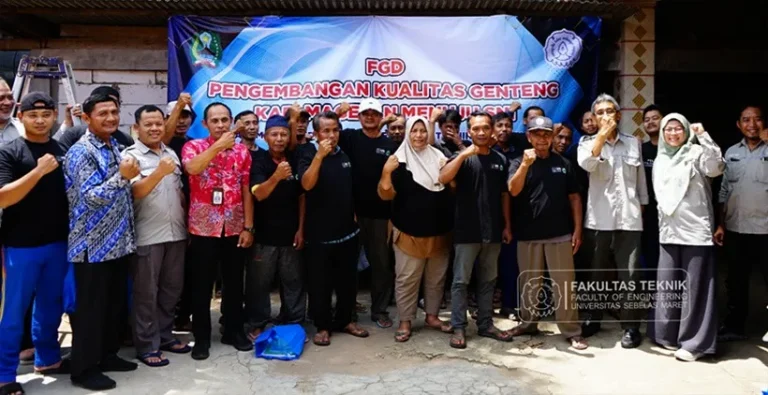
“We organize community assistance to strengthen community preparedness as well as inviting people to adapt to the existing environment. Examples of these communities are Disaster Responsive Village (Kampung Tanggap Bencana-Katana) and Disaster-Alert Village (Kampung Siaga Bencana -Kasiba). Humas UNS
Reporter: Ida Fitriyah
Editor: Dwi Hastuti