
UNS — Universitas Sebelas Maret (UNS) Surakarta, through its International Office (IO), continues to encourage and facilitate its students to achieve international experience. This support is shown by introducing various internship programs at global institutions.
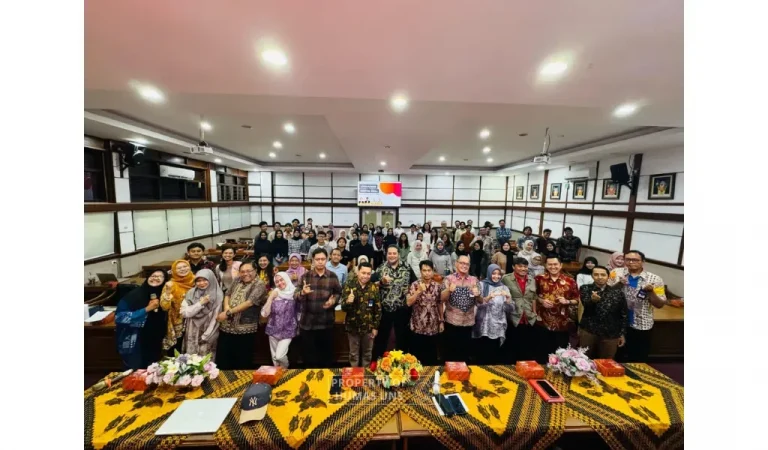
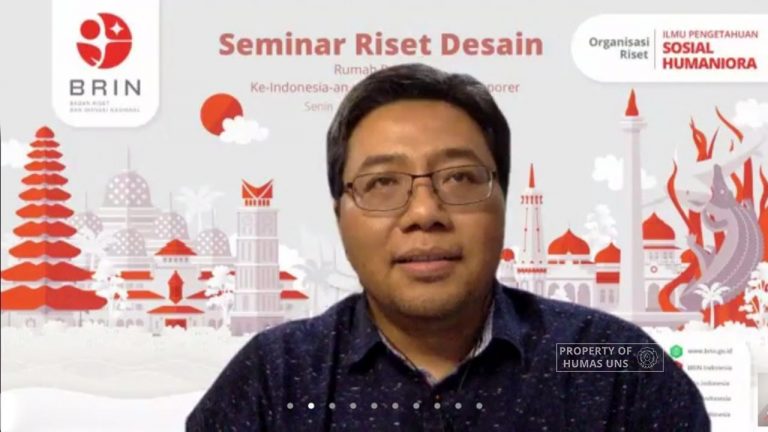
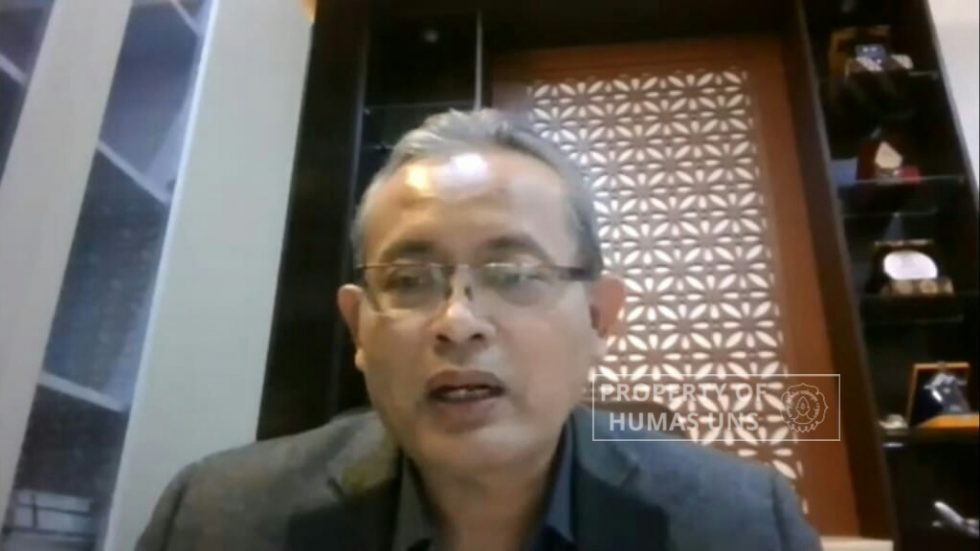
IO UNS held a webinar on International Internship Opportunity with IFAD via Zoom Clouds Meeting on Wednesday (17/3/2021). More than 130 participants attended the webinar that discussed internship programs and opportunities in the International Fund for Agricultural Development (IFAD).
Candra Samekto, as Country Programme Manager IFAD opening the discussion by explaining that his institution is an agency of the United Nations (UN) with a headquarter in Rome, Italy. IFAD, Candra added, is focused on improving rural communities, small and vulnerable communities and protecting food resilience and nutritional fulfillment in the target community. This support is implemented through investment for small farmers.
“On one hand, we are UNS agency, but on the other hand, we are different because we provide lending to many countries. Indonesia is one of our 177 members. The project is grants or lending for agricultural development with low interest. I also hope that there will be more Indonesians (work) in IFAD,” Candra explained.
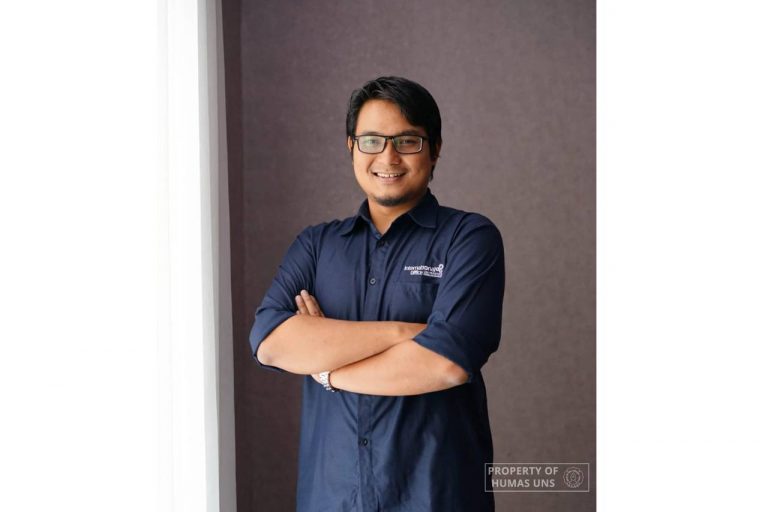
The second speaker, Haike Hakim, Country Programme Assistant IFAD, stated that IFAD has two internship programs, Regular Internship Programme, and Enhanced Internship Program (EIP). EIP, according to Haike, is more exciting because participants get monthly stipends, housing, and travel support because EIP is designed for participants who will stay in Rome.
The requirement to apply to IFAD is students in university or postgraduate school who have completed at least two years of their program. Fresh graduates are allowed to apply 12 months after their graduation. The second requirement is applicant’s age maximum is 30 years old. Third, interns are fluent in English; other official languages in UN are an asset. If interns are recruited from the IFAD member office, fluency in their country language might be required.
“Language proficiency is determined from our proposal and interview process. Create an appropriate proposal, not too long but not too short,” Haike said.
Haike said applicants must pay attention to several issues, such as where they will be placed, types of contract, duration of the program, level of position, and applicant’s qualification. Another vital process in the UN application process in the competency-based interview that will mention the UN core values and competencies. These core values are inclusion and respect for diversity, integrity and transparency, and professionalism. The core competencies are teamwork, delivering results, managing and sharing knowledge, accountability, and communication.
“For example, in teamwork, applicants will be asked if they faced challenges in a team before, and how they solve the challenges,” Haike added.
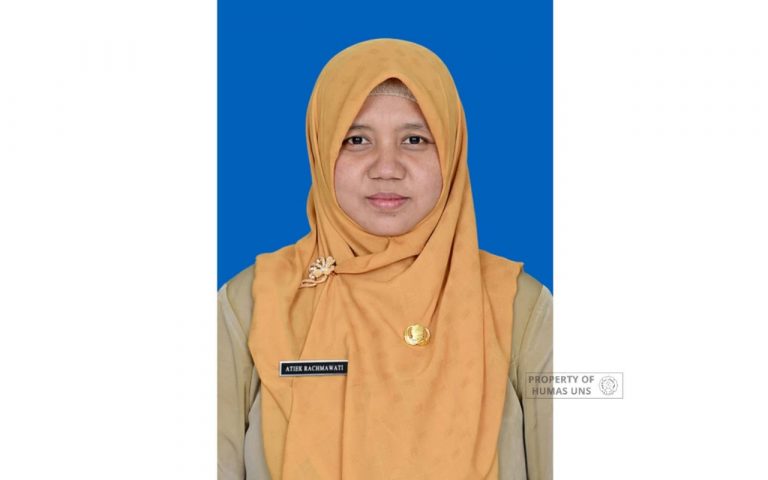
Besides representatives from IFAD, the webinar also invited Kristian Patrasio, IFAD interns in September—December 2017. Kristian shared the works he did in IFAD. In terms of knowledge management, Kristian made review or desk research to assist senior researchers in their research. From this experience, Kristian learned how IFAD works and contributes to community development, handling a project, the agricultural issues, and rural community development. Kristian also honed his skills in writing, English, and inter-cultural communication as the most exciting experience. He also expands his professional network after meeting new people in the program.
“IFAD internship program provides remuneration. Not many (firms) provide this (remuneration). This is one of the pluses of the IFAD internship. At that time, (I) got 900 euros. More than enough to fund housing, food, and transportation,” Kristian said.
Besides the benefits, he faces challenges, such as adaptability to work professionally, especially in a multicultural environment and different work cultures. Kristian admitted that he never saw IFAD managers and staff took overtime, which demands them to work as effectively as possible. According to Kristian, interns can prepare this experience from the diverse organizational, community, and academic experiences. Humas UNS
Reporter: Kaffa Hidayati
Editor: Dwi Hastuti