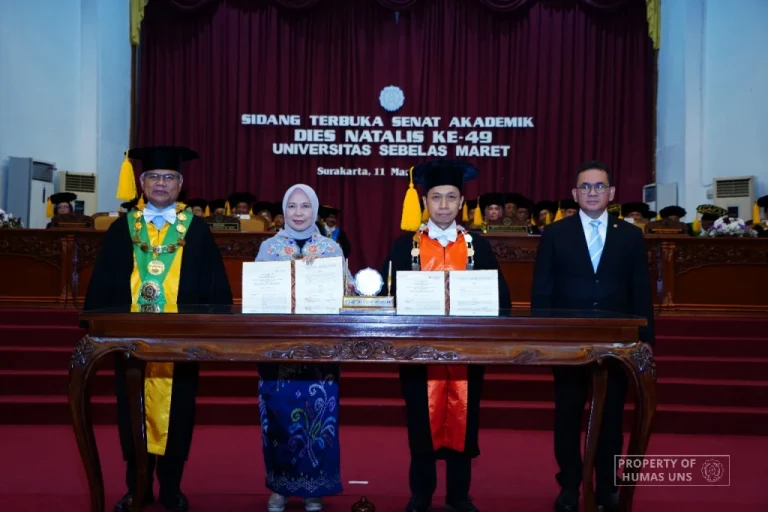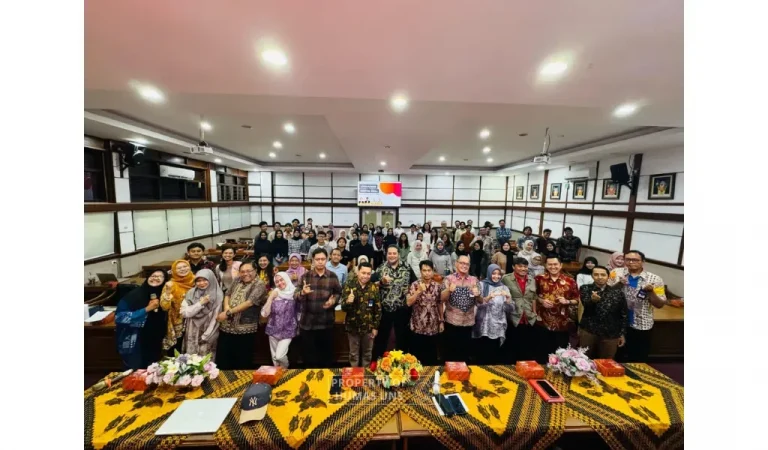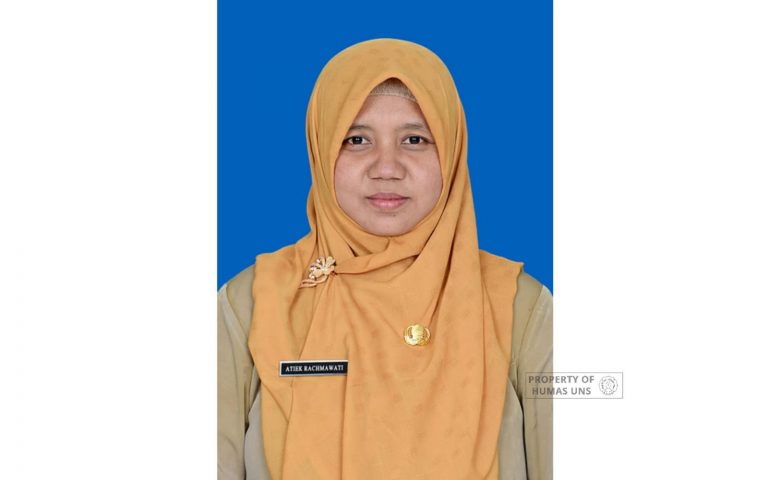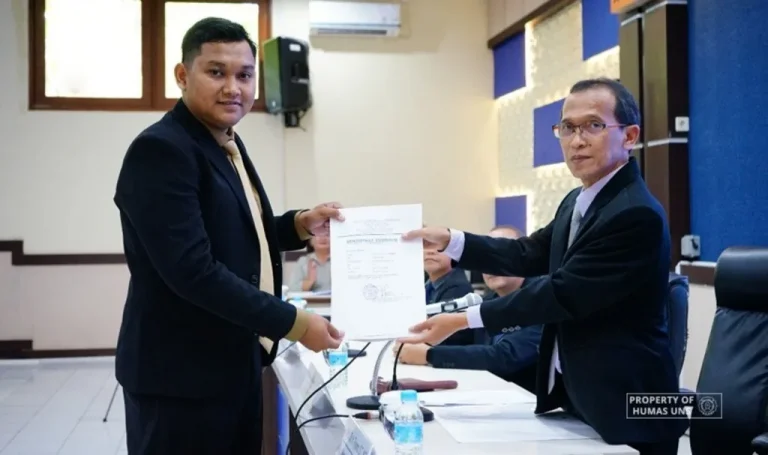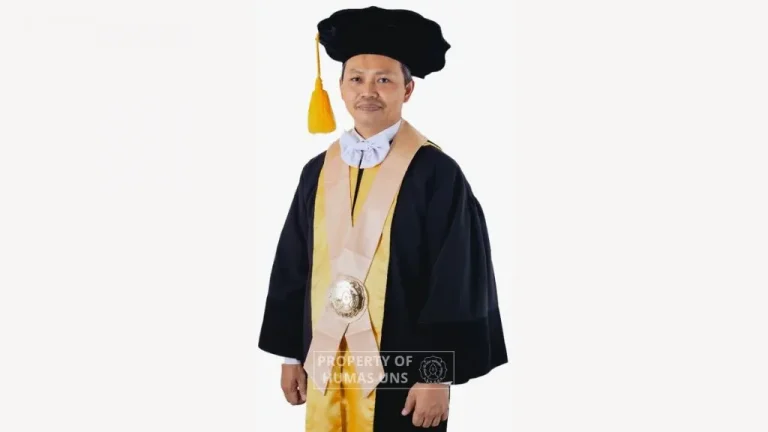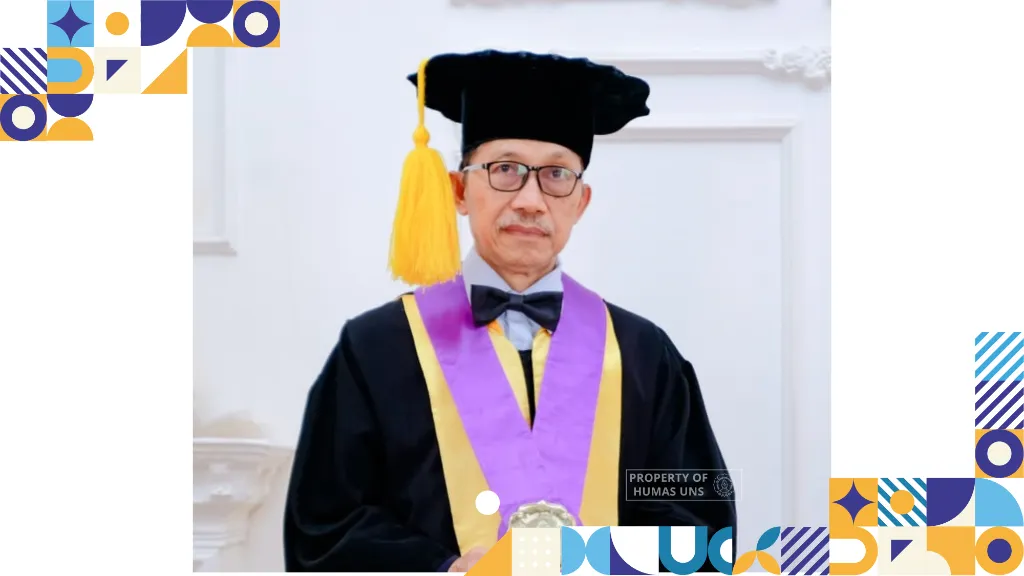
UNS – Universitas Sebelas Maret (UNS) Surakarta has officially inaugurated Prof. Dr. Drs. Sugiyanto, M.Si., as a Professor in Geography Learning Models. He is a lecturer at the Faculty of Teacher Training and Education (FKIP) at UNS. The ceremony took place during the Open Senate Meeting led by UNS Rector Prof. Dr. Hartono, dr., M.Si., at the G.P.H. Haryo Mataram Auditorium.
A New Era for Geography Education
Prof. Sugiyanto also leads the Procurement of Goods and Services Unit. He has become the 33rd professor at FKIP and the 334th at UNS. In his inaugural speech, he introduced a new approach to geography education. It was titled “Transformation of Geography Learning Approaches: From Geo-Literacy to Geo-Capabilities.” This approach represents a shift from traditional Geo-Literacy. Geo-Literacy focuses on understanding maps and geographic connections. The new approach is a more comprehensive method: Geo-Capabilities.
The Need for Transformation in Geography Learning
According to Prof. Sugiyanto, the shift from Geo-Literacy to Geo-Capabilities is crucial in today’s globalized world. This shift is especially important in the context of the Industrial Revolution 4.0 and Society 5.0. “This transformation is essential to develop 21st-century skills and integrate geospatial learning,” he emphasized. Geo-Capabilities, unlike Geo-Literacy, offer a holistic approach to solving global challenges. They empower students to think critically, analyze data, and apply their knowledge to solve complex, real-world problems.
Aligning Education with Technological and Social Advancements
Prof. Sugiyanto stressed the importance of aligning geography education with technological progress, social dynamics, and global needs. This paradigm shift aims to make geography education more practical, relevant, and impactful, helping students become responsible global citizens. The new approach supports skill development, applied learning, and an integrated, multidisciplinary approach to geography.
Strategic Objectives of Geo-Capabilities in Geography Education
Prof. Sugiyanto outlined several strategic objectives of the Geo-Capabilities approach. First is enhancing students’ skills and competencies. Then, it is improving technological proficiency. Lastly, there is promoting action-based, multidisciplinary learning.
These objectives will help students gain the necessary skills to interpret real-world phenomena. They will prepare students for the challenges of the 21st century.
Challenges in Implementing Geo-Capabilities
While Geo-Capabilities provide numerous benefits, the main challenge lies in the readiness of teachers to adopt this new approach. Teachers play a vital role in developing students’ Geo-Capabilities. To ensure the success of this transformation, adequate support and resources for educators are essential.
Prof. Sugiyanto’s vision for transforming geography learning from Geo-Literacy to Geo-Capabilities is a vital step in modernizing education. This shift will empower students with the skills they need to navigate the complexities of the modern world. It will ensure that geography education remains relevant and impactful.
Humas UNS
Reporter: Dikky Yudi Pradana
Editor: Dwi Hastuti