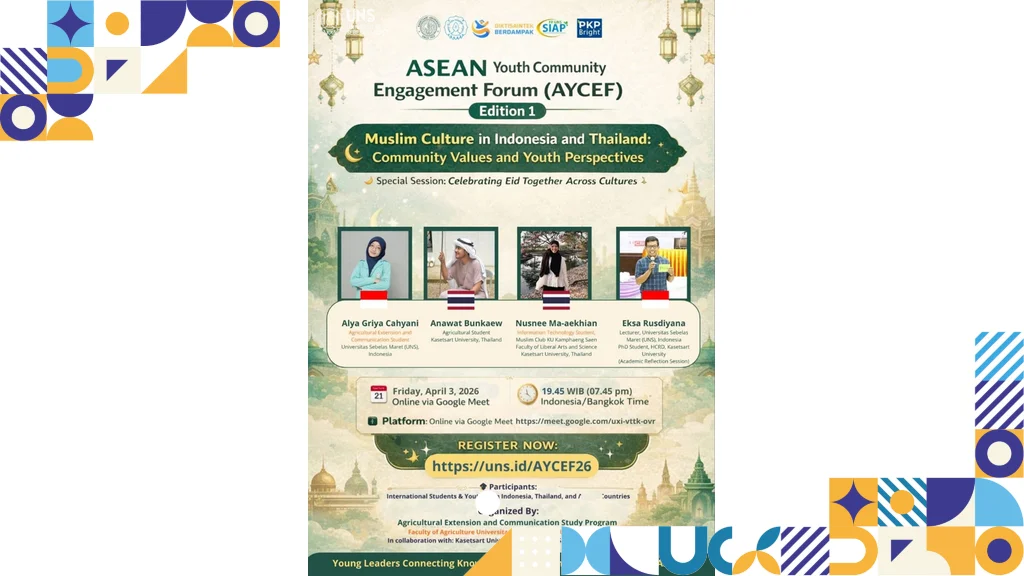
UNS — The Agricultural Extension and Communication Study Program, Faculty of Agriculture, Universitas Sebelas Maret (UNS) Surakarta showed its commitment to broadening students’ global perspectives through the ASEAN Youth Community Engagement Forum (AYCEF) – First Edition, held online on Friday (3/4/2026).
This activity became a cross-cultural sharing forum between participants from Indonesia and Thailand, while also aiming to strengthen understanding, tolerance, and cooperation amid the diversity of ASEAN societies.
AYCEF – First Edition carried the theme “Muslim Culture in Indonesia and Thailand: Community Values and Youth Perspective,” discussing the lives of Muslim communities in two countries with different social backgrounds.
The forum became a dialogue space for young people to learn about cultural values, traditions, and the daily lives of Muslim communities in Indonesia as a Muslim-majority country and in Thailand, where Muslims are a minority community.
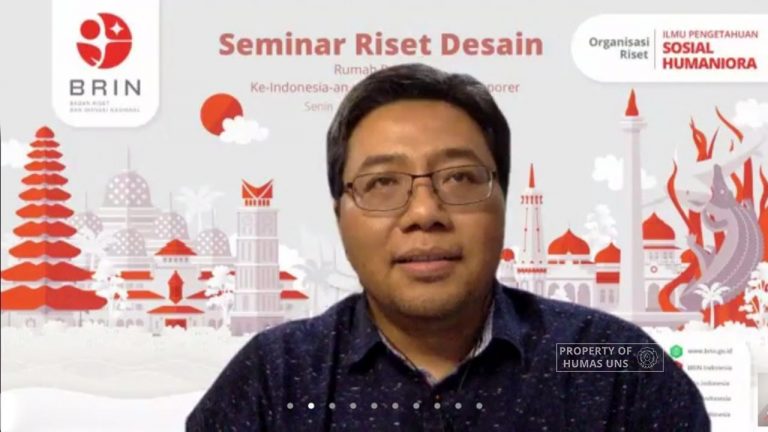
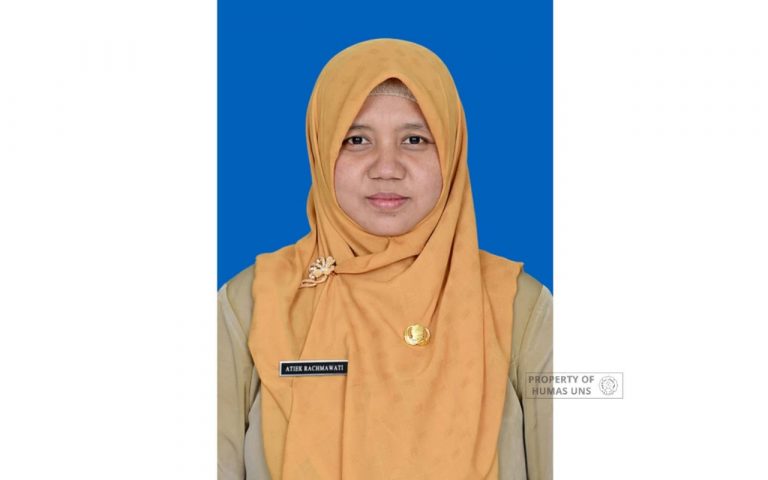
In the opening remarks representing the Head of the Agricultural Extension and Communication Study Program, Dr. Bekti Wahyu Utami emphasized the importance of understanding different cultures, both within the country and abroad, in order to create mutual understanding and tolerance in a global world.
She also stated that activities like AYCEF can serve as learning opportunities that not only enrich academic knowledge, but also strengthen relationships among young people across countries and open opportunities for future collaboration.
The forum featured three student speakers: Alya Griya Cahyani, Anawat Bunkaew, and Nusnee Mai-ekhian. The speakers shared their direct experiences about Muslim life and identity in their respective communities. Their presentations showed how religious values, culture, and community solidarity play important roles in the daily lives of Muslim communities in both Indonesia and Thailand.
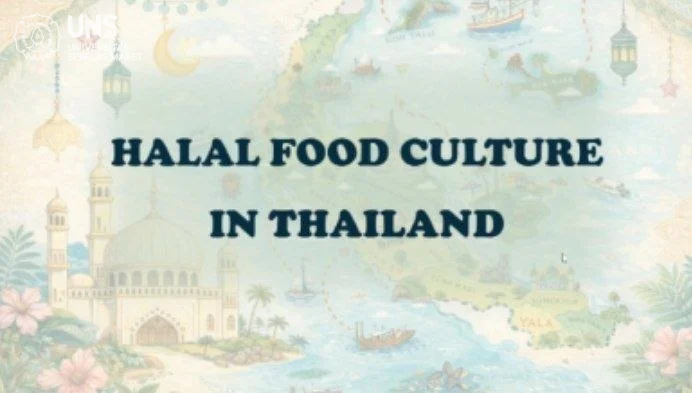
Speakers from Thailand also presented documentation of Muslim community activities, such as religious events and social programs that strengthen identity and togetherness within diverse societies.
The discussion session gave participants the opportunity to ask questions and share experiences related to cross-cultural interactions. Although interaction during the Q&A session was still limited, the activity successfully opened new perspectives and increased participants’ confidence to engage in international forums.
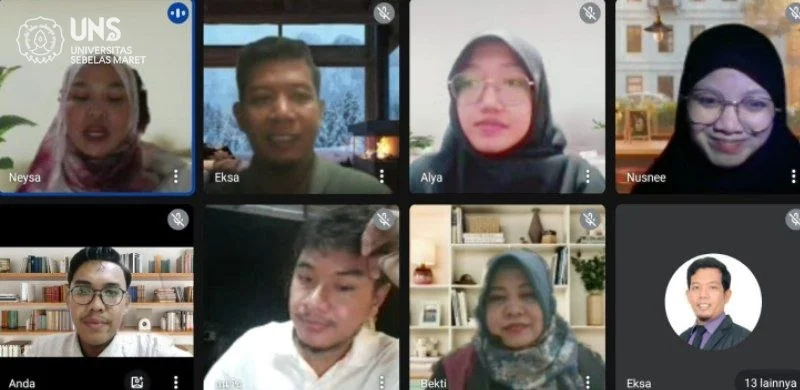
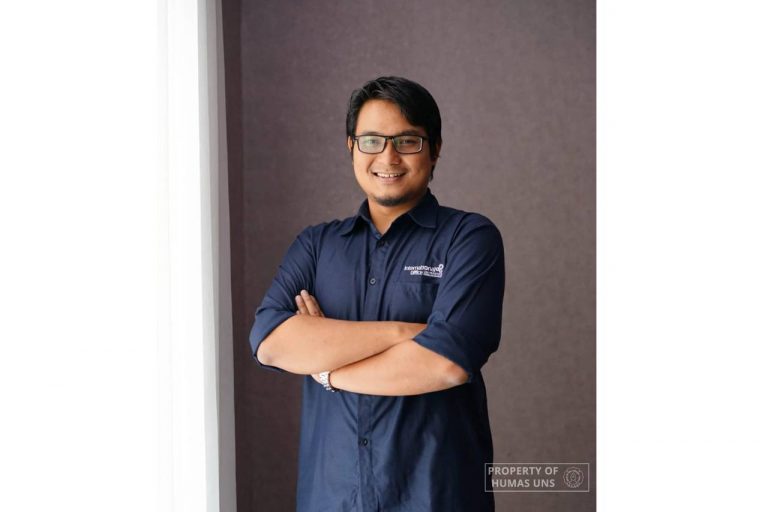
At the end of the session, academic reflection was delivered by Eksa Rusdiyana, M.Sc., a lecturer of the Agricultural Extension and Communication Study Program, who connected the presentations with sociological theories, especially concepts of social identity, cultural interaction, and community solidarity in multicultural societies.
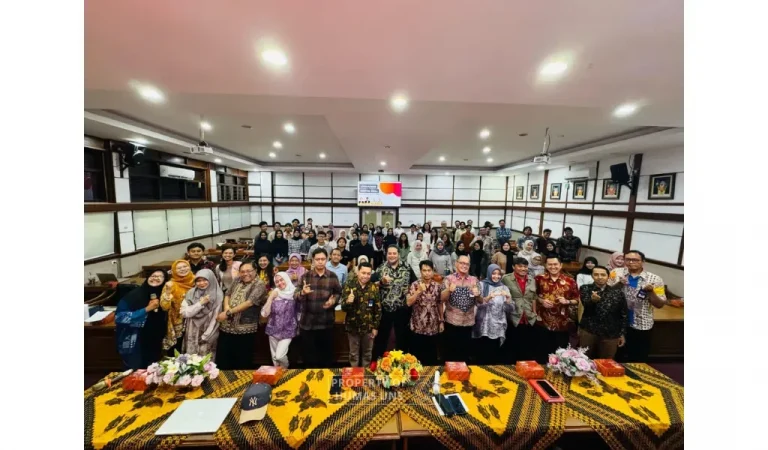
The activity was attended by 35 active participants, mostly from Indonesia, along with 14 students from Thailand from Kasetsart University, Kamphaeng Saen Campus, and Thammasat University. The diversity of participants’ backgrounds contributed positively to enriching the discussion and expanding cross-cultural understanding among participants.
Based on the evaluation results, the forum had a positive impact on increasing participants’ knowledge about Muslim culture in Indonesia and Thailand. Most participants stated that the activity encouraged them to improve their foreign language skills, especially English, and helped reduce fear in interacting with people from other countries.
This shows that AYCEF not only provided academic benefits, but also strengthened participants’ confidence in facing global environments. The activity is also in line with the commitment to the Sustainable Development Goals (SDGs), especially SDG 4 (Quality Education) and SDG 17 (Partnerships for the Goals), through strengthening cross-cultural learning and international collaboration among young people.
As its first edition, AYCEF showed great potential to be developed into a sustainable program involving more countries in the ASEAN region. The organizers hope this activity can continue regularly by bringing topics relevant to social, cultural, and community development issues.
“This forum is expected to open opportunities for academic collaboration among universities and strengthen international networks among students and lecturers,” said Eksa Rusdiyana to uns.ac.id on Tuesday (7/4/2026).
Through AYCEF First Edition, the Agricultural Extension and Communication Study Program of FP UNS hopes to continue contributing to building a young generation with global insight, tolerance, and the ability to work together in multicultural environments.
This activity marks an important first step in building cross-cultural understanding and strengthening relationships among communities in the ASEAN region toward a more inclusive and harmonious future.
HUMAS UNS