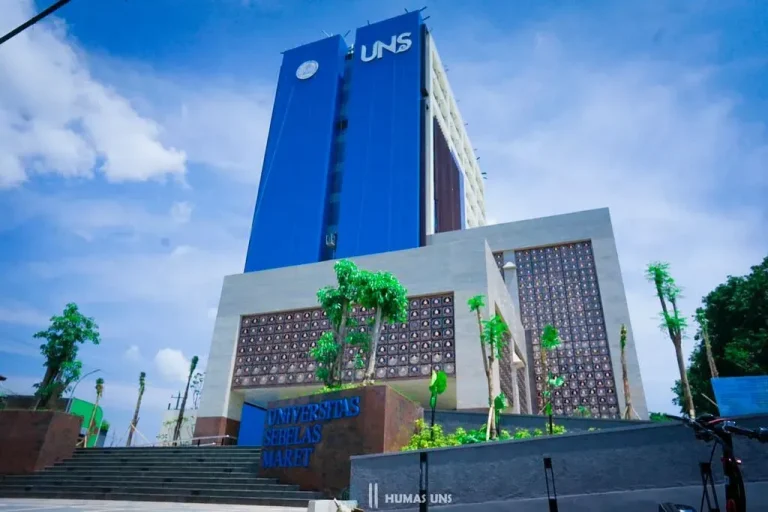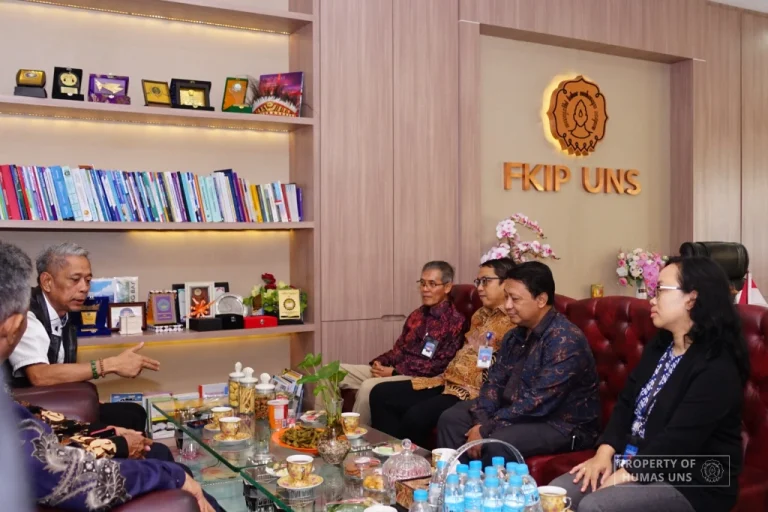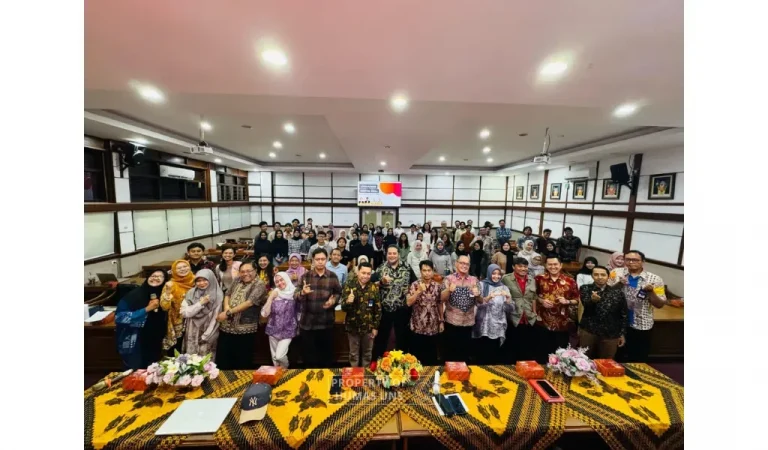
UNS — Universitas Sebelas Maret (UNS) Surakarta received the trust of the U.S. Embassy Jakarta to host a talk show titled “Life as Diplomat and Study in the United States” and a seminar under the main theme “AI and Innovative Tools for English Language Learning.” The event was held at the G.P.H. Haryo Mataram Auditorium, UNS, on Friday (6/2/2026).
The main speaker for the talk show was Heather Merritt, Deputy Chief of Mission of the U.S. Embassy Jakarta. The event was attended by representatives of the UNS academic community as well as English teachers from the Solo Raya area who are closely connected to study opportunities in the United States and the use of English as the main language of instruction.
UNS Vice Rector for Planning, Cooperation, Internationalization, and Information, Prof. Irwan Trinugroho, opened the event and shared the broader purpose of the program. He explained that the United States remains one of the top destinations for students pursuing higher education due to its strong academic culture, technological advancement, high-quality graduates, and world-renowned universities that continue to rank among the best globally.
Therefore, this event became a strategic platform for students interested in studying in the United States to learn directly from experienced and competent speakers. One of them was Heather Merritt, who has spent many years building her career as a diplomat with various international experiences.
On this occasion, Heather Merritt shared that education and hard work are the main factors in determining a person’s success. She also shared her experiences as a diplomat carrying out various missions, including in Indonesia.
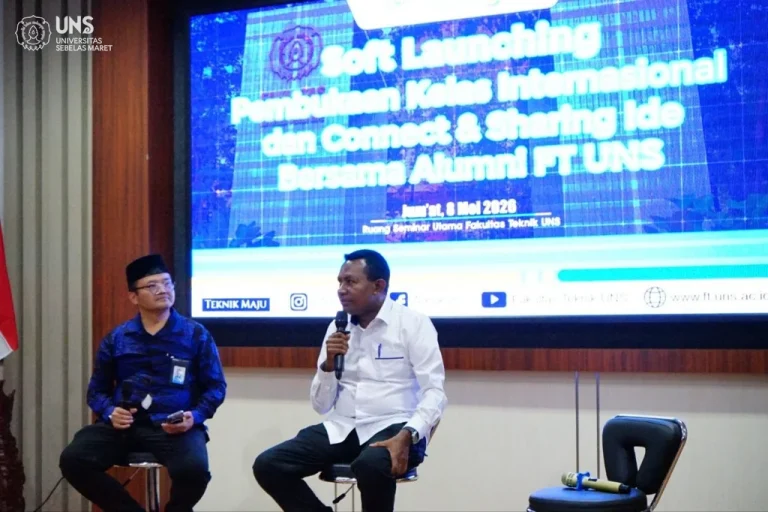
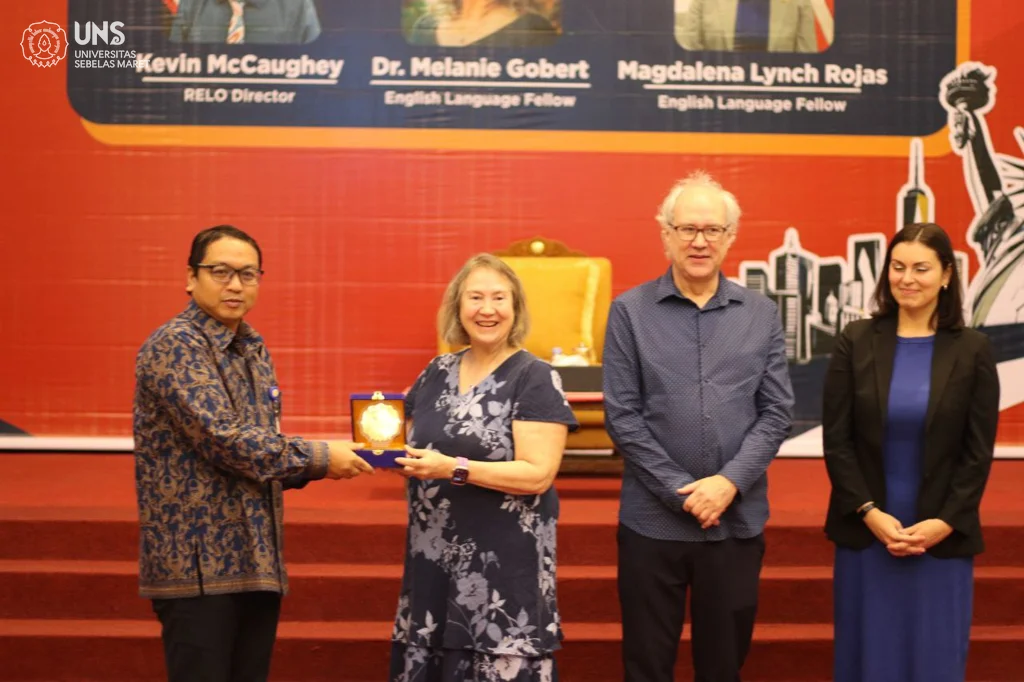
After the talk show session, participants had the opportunity to join a seminar featuring three main speakers: Kevin McCaughey, RELO Director; Dr. Melanie Gobert, English Language Fellow; and Magdalena Lynch Rojas, English Language Fellow. The three speakers discussed the role of artificial intelligence (AI) in English language learning.
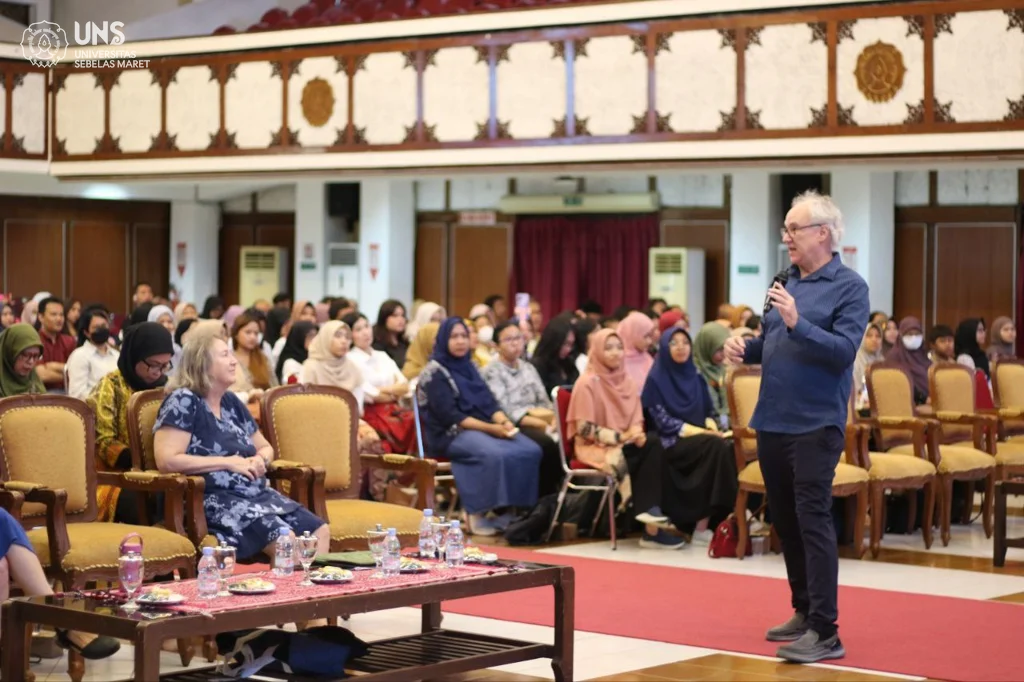
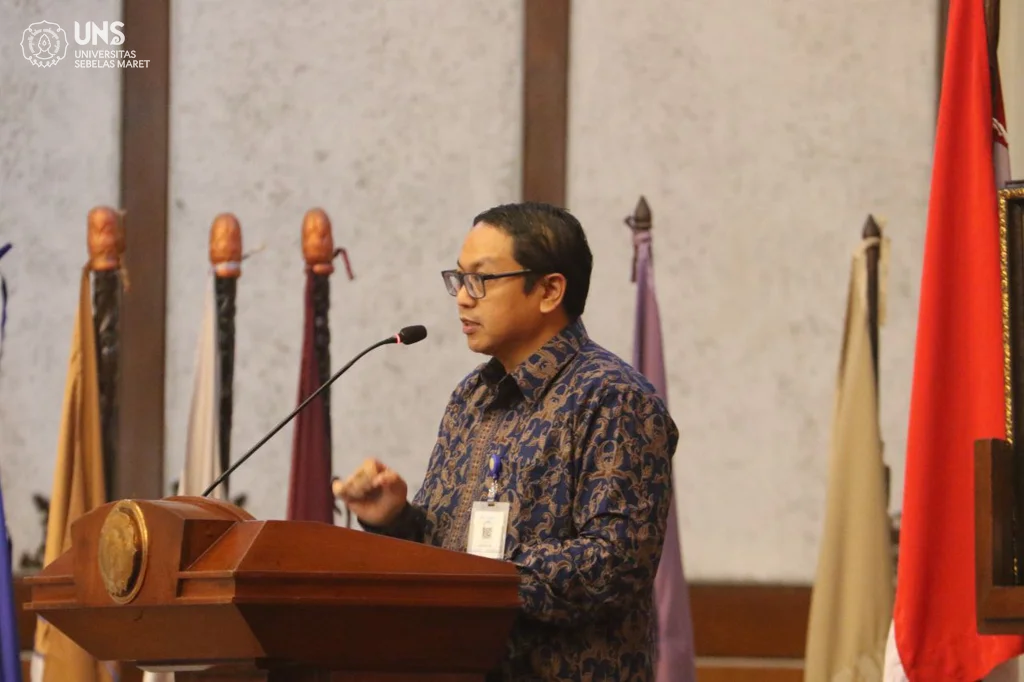
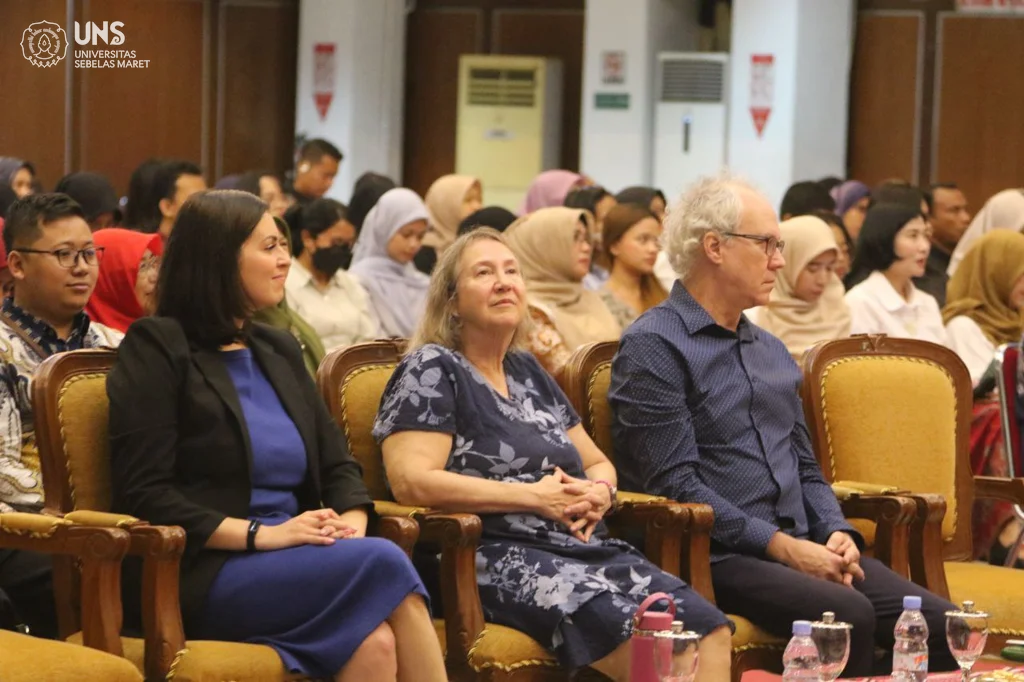
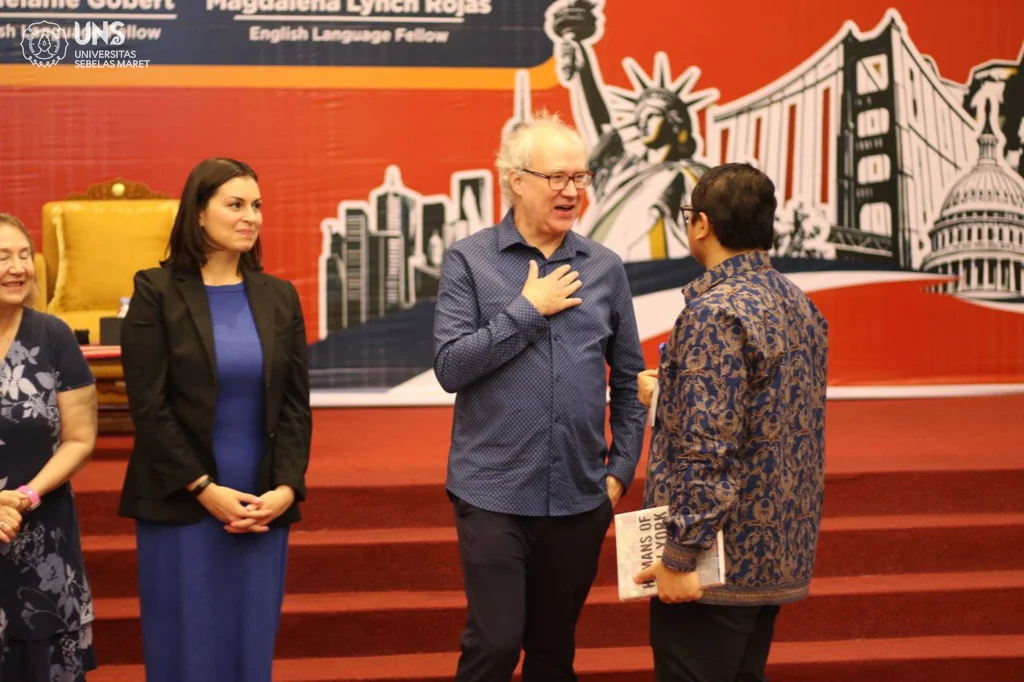
In today’s era, the use of AI has become very widespread, including in education. Tasks that once seemed difficult can now be completed more easily with the help of AI. The seminar explored practical strategies for using AI in English language learning and how it can support teaching and learning processes more effectively.
Although AI is highly advanced, it also has weaknesses that must be carefully considered. There are also basic rules regarding what should and should not be done with the help of AI. AI also influences how human interaction develops, especially with its increasing use among academics.
This event provided broad and comprehensive insights for participants and was welcomed with great enthusiasm by everyone involved. Through the talk show and seminar series, participants not only gained new knowledge, but also developed deeper understanding and practical skills, especially related to diplomacy, study opportunities in the United States, and the use of artificial intelligence in English language learning.
The implementation of this event is in line with UNS’s commitment to supporting the achievement of the Sustainable Development Goals (SDGs), especially Goal 4: Quality Education, through improving access to knowledge and educational innovation. It also supports Goal 17: Partnerships for the Goals, through strengthening international collaboration between universities and global institutions.
This activity is expected to become a sustainable step in encouraging the internationalization of education and improving the global competitiveness of the UNS academic community.
HUMAS UNS