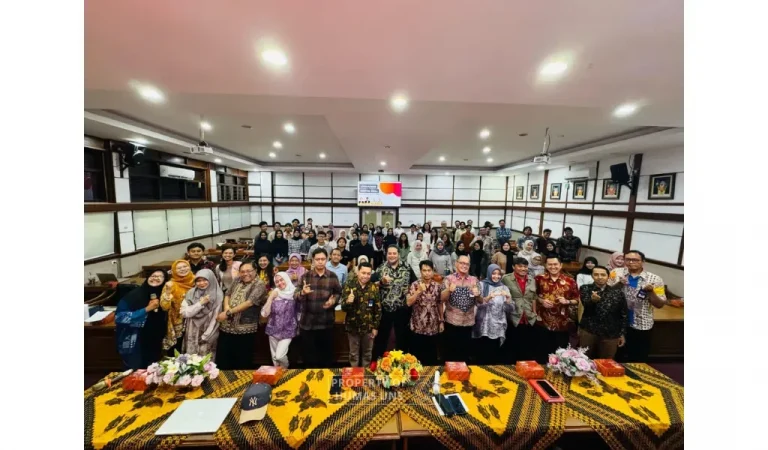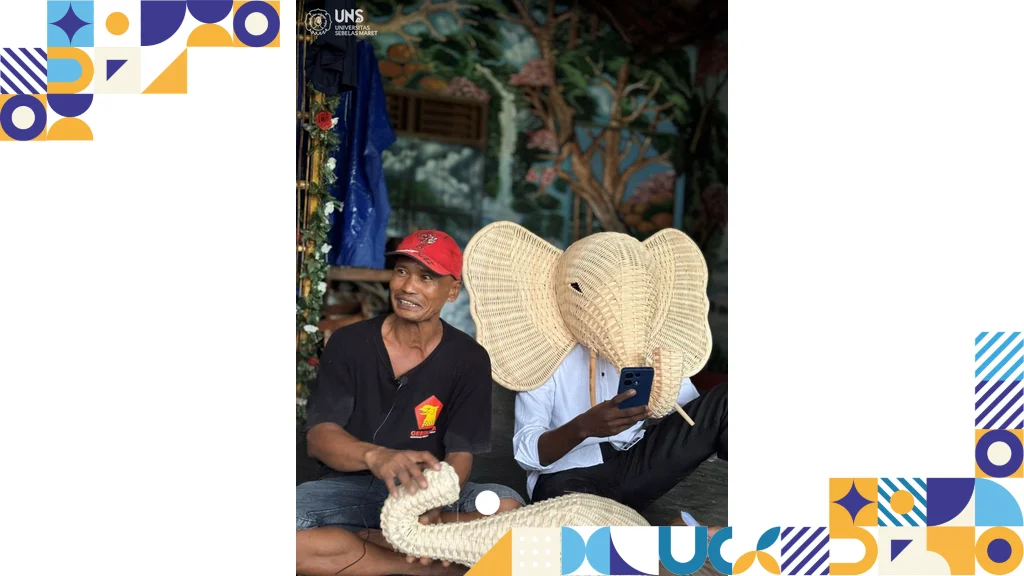
UNS — Students from the Interior Design Study Program, Faculty of Fine Arts and Design (FSRD), Universitas Sebelas Maret (UNS) Surakarta conducted an inventory of local crafts in Trangsan Village and developed product designs in collaboration with local artisans and Chiba University. The activities took place in Trangsan Village, Gatak District, Sukoharjo Regency, Central Java.
Through a collaborative design approach, this program aimed to connect local cultural values with global design perspectives to improve the competitiveness of rattan crafts as culture-based products. The students were part of the UNS Community Service Program (KKN) team in Trangsan Village, led by Luh Made Ratna Nirmala. The program was supervised by Pandu Purwandaru, S.Ds., M.Ds., Ph.D., Trisna Dwi Putri Novitabella, S.Ds., M.Ds., and DOTT. Silmi Cahya Pradini Priliana, S.T., M.Sc.
This collaborative KKN program focused on documenting the potential of rattan crafts in Trangsan Village, which has long been known as a center of the rattan industry. The program ran from 7 August 2025 to 26 December 2025.
The students mapped production processes, types of rattan, weaving patterns, production techniques, and product types through field observations, discussions with artisans, and visual documentation. This inventory stage became the foundation for understanding the strengths, challenges, and opportunities for developing rattan crafts amid changing market preferences and modern design needs.
As the outcome of the program, the students produced several academic and practical outputs. One of them was the development of a website that serves as a platform for documentation, information, and promotion of Trangsan Village’s rattan crafts.
The website contains the results of the inventory, the collaborative design process, and the potential for developing products based on local cultural values. In addition, the program also produced a draft book summarizing the field research results, design mapping, and the development of rattan crafts. This draft book is expected to become a reference for academics, students, and creative industry practitioners in understanding and developing crafts based on local wisdom.
Furthermore, the students developed design ideas through a cross-cultural collaborative process. This approach combined the local wisdom of artisans with the Design Culture method from Chiba University, which emphasizes understanding social, cultural, and environmental contexts in the design process.
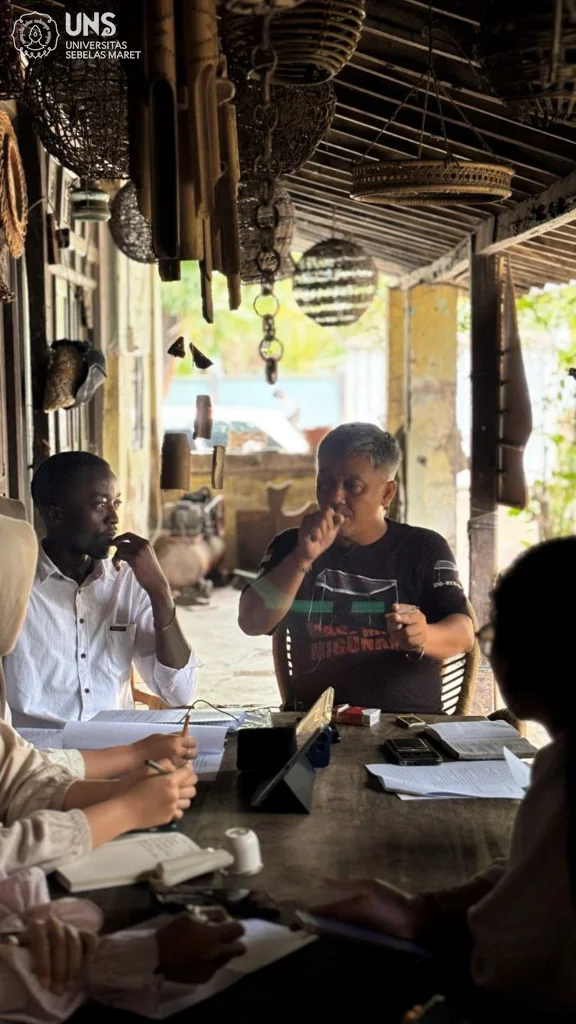
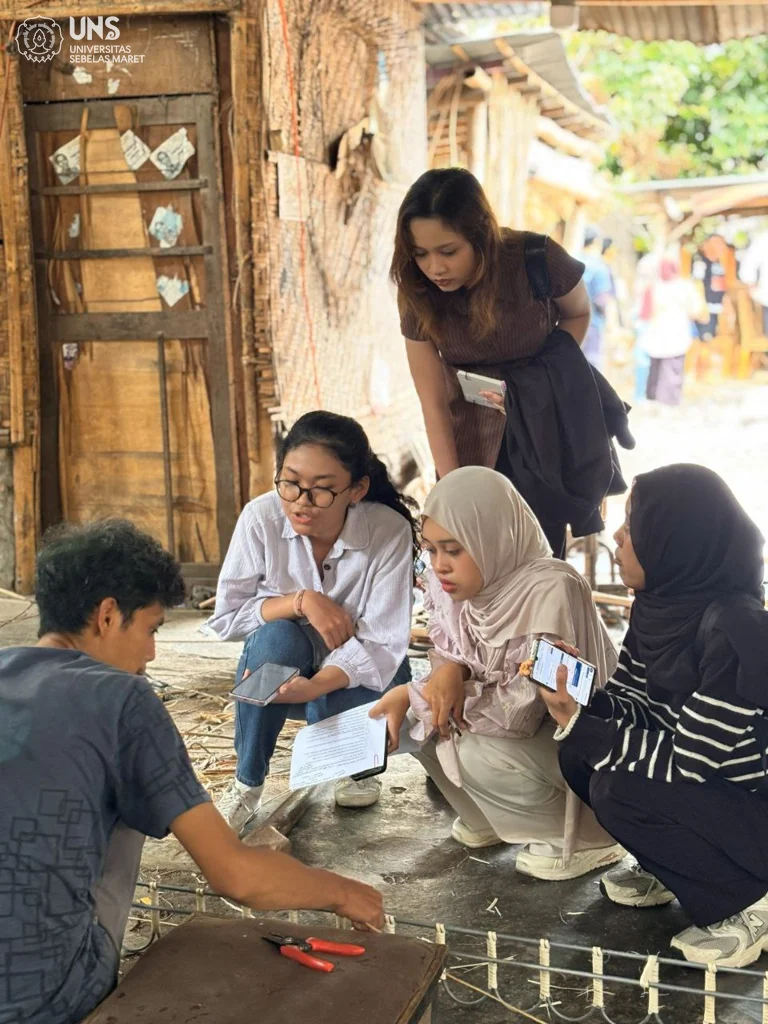
The results of this collaboration were realized in product design concepts and visual development that maintained the local identity of Trangsan Village while also offering innovation and relevance to the contemporary market.
“The main outputs produced from this collaborative process include prototypes of local craft products such as handbags, pitrit bags, Kobayashi trays, and laundry baskets, which are the result of collaboration between students and local artisans,” said Luh Made to uns.ac.id on Wednesday (14/1/2026).
In addition to the design aspect, this KKN program also became a space for exchanging knowledge and experience among students from different countries. Direct interaction between students, academics, and artisans created a two-way dialogue that enriched perspectives on design, culture, and the sustainability of the craft-based creative industry.
Through this activity, students not only learned how to design, but also understood the role of design as a bridge between tradition and innovation.
It is hoped that the results of this collaborative KKN program will make a real contribution to the development of rattan crafts in Trangsan Village, both as a design reference, a way to strengthen product identity, and an effort to preserve local culture.
This activity also reflects UNS’s commitment to encouraging international collaboration and community service based on sustainable research and design.
HUMAS UNS