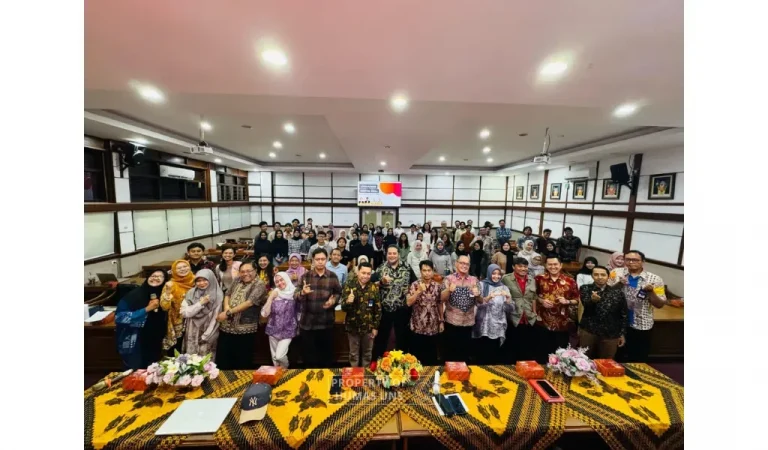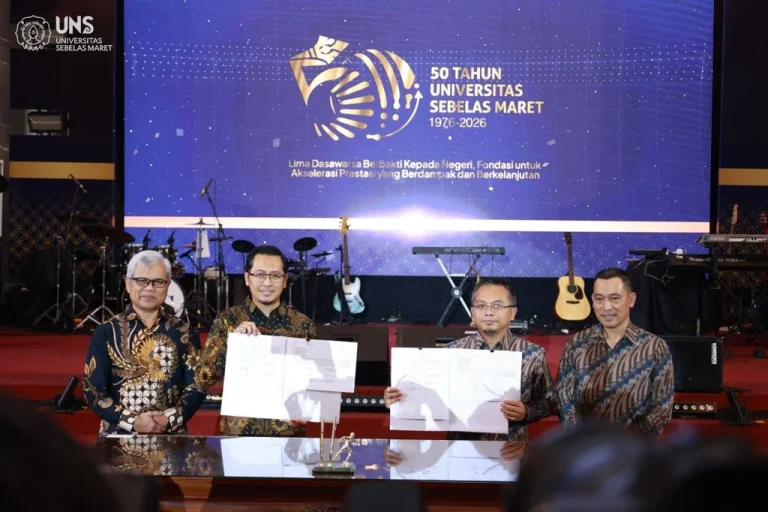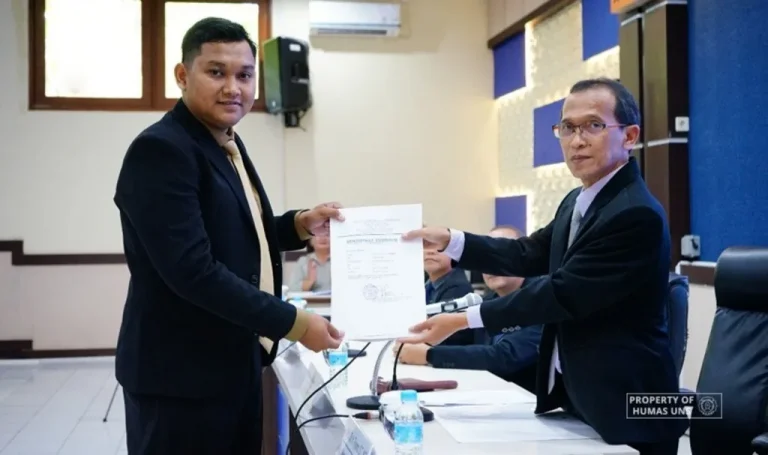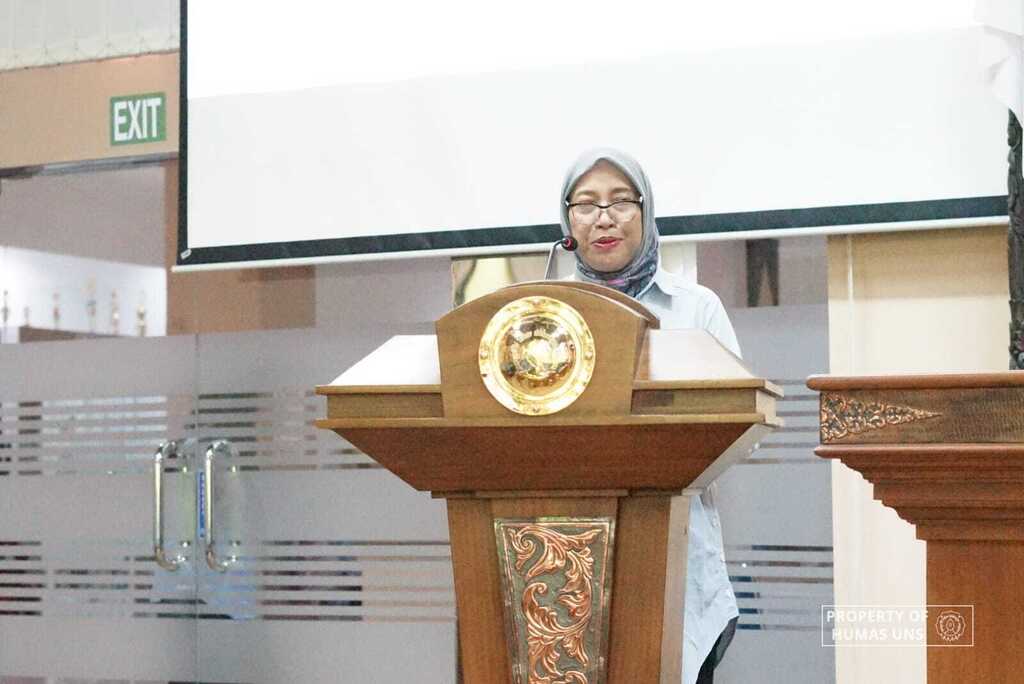
UNS – Universitas Sebelas Maret (UNS) Surakarta launched the Integrity Zone (ZI) for all faculties and working units. The ZI launch was coordinated by the Bureaucratic Reform Coordinator of the UNS Secretary’s Office. The event took place in Meeting Room 2 of the dr. Prakosa UNS Building on Tuesday (19/12/2023).
This action was taken by the Rector along with all Vice Rectors, Deans, Directors, and Heads of institutions within UNS. Academic members from 13 faculties, institutions, and hospitals at UNS also attended, each sending seven members as the Integrity Zone team. The event was opened by the Acting Vice Rector for Research and Innovation at UNS, Prof. Dr. Kuncoro Diharjo, S.T., M.T. In his remarks, Prof. Kuncoro stated that the launch of the integrity zone is UNS’ commitment to realizing a clean and service-oriented bureaucracy.
The integrity zone is a predicate given to working units that meet specific criteria, namely units committed to realizing Corruption-Free Areas (WBK, or Wilayah Bebas dari Korupsi) and Clean and Service-Oriented Bureaucracy Areas (WBBM or, Wilayah Birokrasi Bersih dan Melayani).
“Bureaucratic reform is the initial step in structuring the government’s administration system. UNS strives to conduct effective and efficient education to serve all stakeholders and the community appropriately and proportionally, as the target of bureaucratic reform,” Prof. Kuncoro said.
He added that by the end of 2022, three faculties would have launched the integrity zone. In the future, UNS is preparing all faculties to have and commit to achieving the integrity zone. This will be achieved through the assessment process at the unit level and not at the institutional level. Currently, only six faculties in higher education and the Higher Education Service Institution (LLDIKTI) in Indonesia have obtained WBK status.
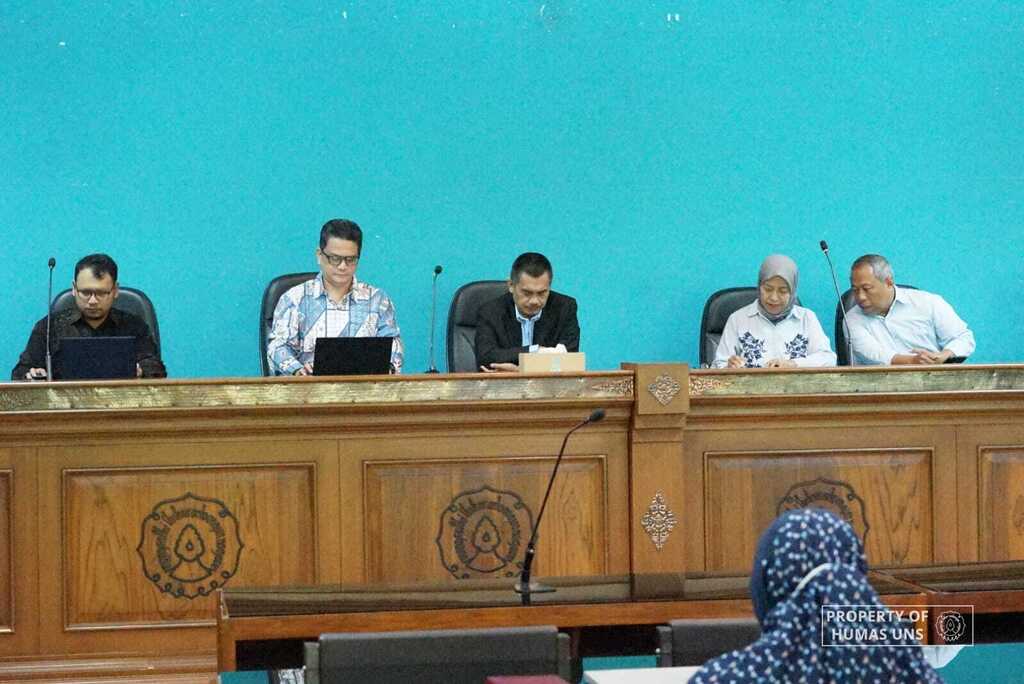
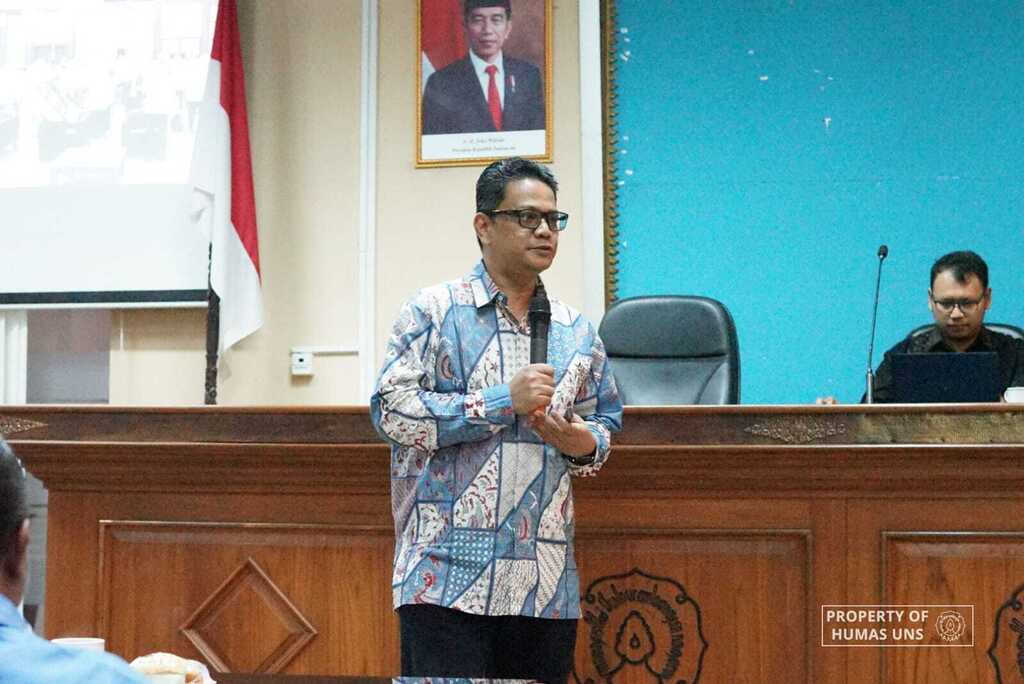
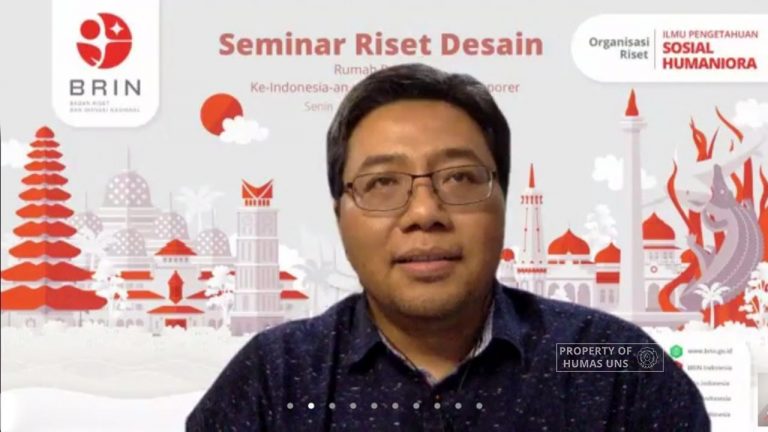
UNS brought in speakers from the Directorate General of Higher Education, Research, and Technology (Diktiristek) of the Ministry of Education, Culture, Research, and Technology (Kemendikbudristek) of the Republic of Indonesia. On this occasion, members of the UNS academic community present also had the opportunity to participate in a workshop on filling out the Evaluation Sheet (LKE). LKE is an instrument used to measure the level of maturity in implementing the integrity zone in each working unit.
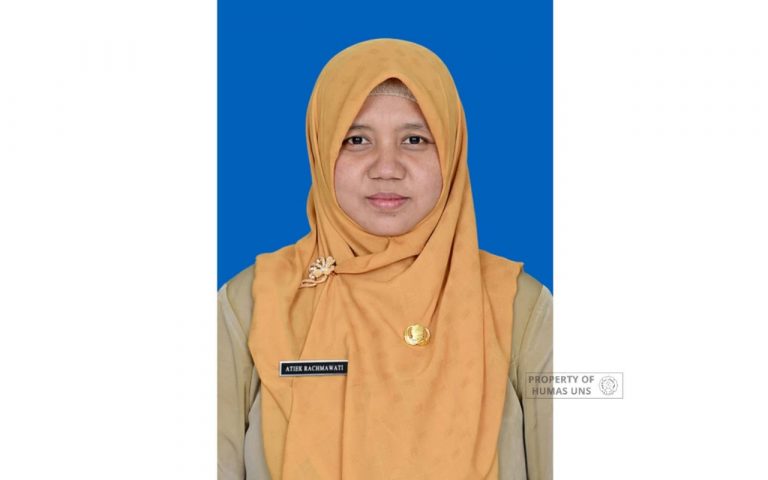
Coordinator of the Bureaucratic Reform Sector at UNS, Retno Tanding, S.E., M.E., Ph.D., conveyed that this activity is one of UNS’ efforts to improve and realize better public service quality. In addition, UNS seeks to enhance governance systems, starting with assisting in filling out the evaluation sheets for each integrity zone team at UNS.
“This activity is expected be a momentum for UNS to improve itself and realize a clean and service-oriented bureaucracy,” Retno Tanding said.
With the achievement of the integrity zone at UNS, it will support sustainable development, especially in the first indicator goal, which is to improve the quality of public services and promote inclusive economic growth. Another goal is to create peace, justice, and resilient institutions with the launch of the integrity zone. It is expected to create a clean and corruption-free working environment.
Retno Tanding emphasized that good governance will increase public trust in UNS. Partnerships are also forged, and the launch of the integrity zone is expected to enhance cooperation between UNS and various parties, including the government, private sector, and community. This step can contribute to sustainable development.
In other words, with the launch of the integrity zone, UNS is expected to become a role model for other universities in Indonesia in realizing a clean, service-oriented bureaucracy and supporting sustainable development. Humas UNS
Reporter: R. P. Adji
Editor: Dwi Hastuti