UNS — Currently the government is encouraging the limitation of social activities as one of the efforts to cut the chain of COVID-19 infection. This has led to the disruption in the economics activities because the area becoming quiet.
The appeal from the government brings a significant impact on the informal workers, especially those who live in a different city. This has caused people to decide to return to their hometown until the situation improved.
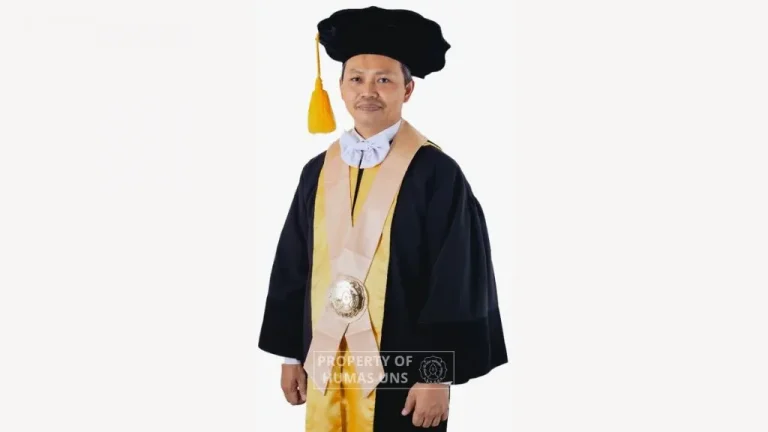
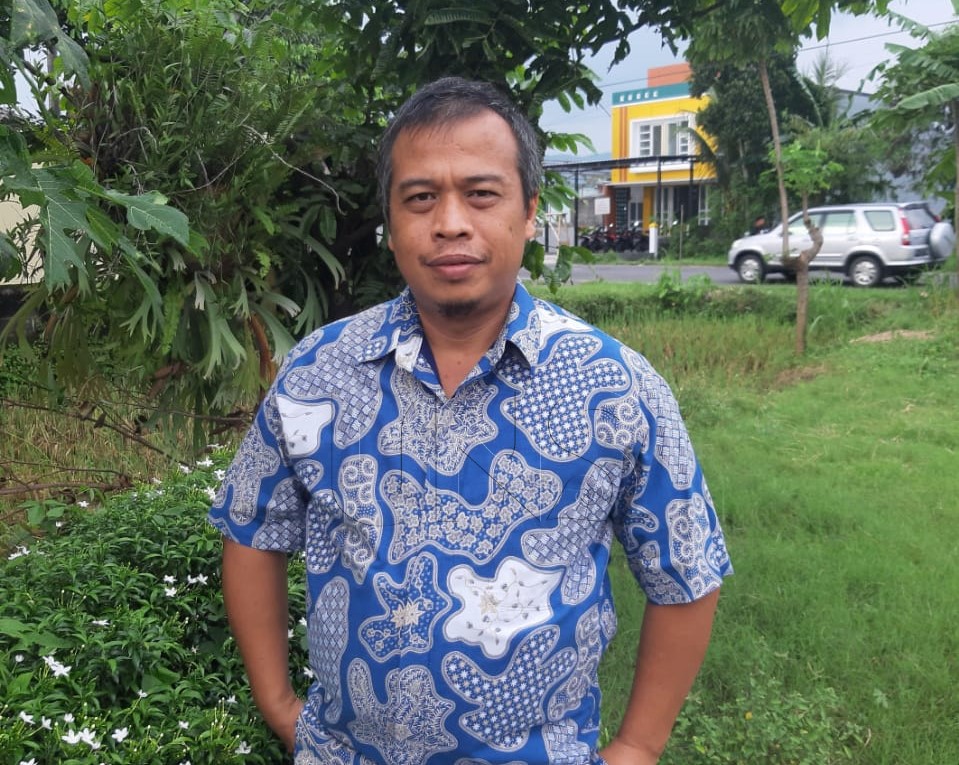
The sociologist of Universitas Sebelas Maret (UNS) Surakarta, Dr. rer.nat. Nurhadi argued that the phenomenon of people going back to their hometown amid the COVID-19 pandemic is a natural thing to do. Instinctively, when someone is threatened by certain things, they will search for protection. The impromptu homecoming is caused by two factors, the threat to health and the decline in the source of income, especially for the urban informal workers. It is estimated that informal workers can amount to more than 40% of all urban workers.
“They are maybe it is more accurate to call them refugees instead of travelers because culturally when someone going back to hometown, they are in a winning situation, in a happy state, good condition, so that when they arrived at home, they will show their happiness. Now the people go back to the villages in difficult situations, they are unwanted in the city, unwelcome in the village. They already faced problems in the city, and when they go back to the village they are considered as the carrier of illness or source of problems for the surrounding community,” explained Dr. rer.nat. Nurhadi to uns.ac.id Wednesday (1/4/2020).
People prefer to go back to the village because in the village they have a better social safety net compared to the city. When they are in the village, they not as worried about food, while the city does not provide safety because most of them work in the informal sectors.
“They are in a difficult position now because for the city they live in, they are not fully welcomed. On the same hand, when they go back to the village, they are also unwelcome by the people around them,” he explained.
In this situation, the government has a role to supervise and register the travelers to detect them easily. Several areas have implemented this measure in the border regions. Therefore, the data about health records, origin, job, address in the village, and the date of arrival can be used to map whether the person has potentially exposed to coronavirus. The synergy between the community and the government is highly needed to minimize the spread of Coronavirus. Dr. Nurhadi stated that in the situation of many people going to hometown cooperation between the government and the community is indispensable.
“Concerning the written regulation on the prohibition of going back to hometown during the pandemic, there is none. However, if the local government does not want the arrival of travelers, there has to be a detailed and synchronized written regulation between the national and local governments. Then, when the people arrived in the village, they should be not the only party who is actively isolating themselves, but the system in the community should also work. Some local leaders have a role in ensuring or encouraging the community to avoid social disorganization and disjunction,” he explained.
This social disorganization will trigger bad prejudice and discrimination. Social dysfunction will also cause chaos in the public order because the community cannot perform social functions according to their social status. This makes the community anxious and afraid of performing social activities. These two things can be controlled by local figures.
Dr. Nurhadi advised the people in the red zone area not to return hometown until the situation improved. Likewise, for people who are in the safe zone, do not return hometown yet because in the unexposed area is certainly safer. However, if the circumstances forced them to go back hometown, they must be ready to conduct self-isolation for 14 days. Besides that, they have to actively report their health status to the nearest healthcare facility. Socially, the condition in the village is quite conducive because people tend to be not individualist and care more about each other.
“The family approach is more appropriate to be implemented. The community in the village does not need coercion because they will realize their role as the member of the community and they must ensure that what they do is not detrimental for society. This is the capital that I think is owned by the rural community. The social system in the community that will provide efforts to prevent transmission of the virus,” he said.
Dr. Nurhadi also believes that there is a need for translation for the social and physical distancing concept into the concepts that work at the local level. “For example, in the physical distancing concept which requires one individual and another individual to keep distance, but there is a community that requires handshake when they meet each other because it has become a norm and habit. Thus, the languages that can be accepted by the local community is needed so that they do not consider physical distancing as erasing the good things or norms that exist in society,” Dr. Nurhadi closed. Humas UNS/Bayu