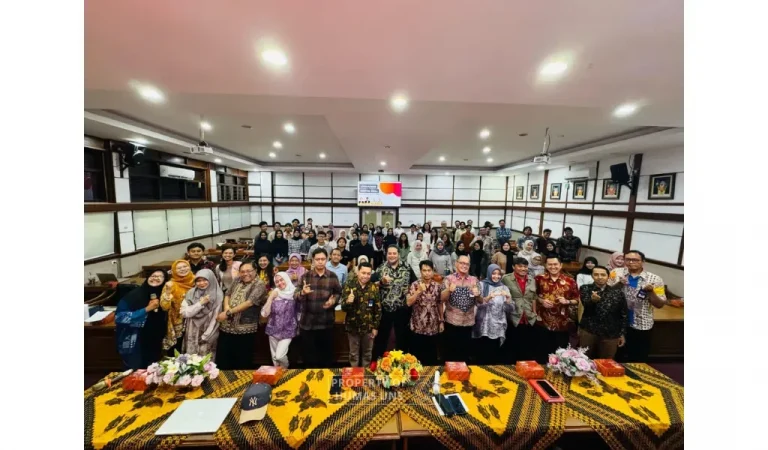
UNS — Universitas Sebelas Maret (UNS) Surakarta conducted a training session for students who serve as Mental Health Agents (MHAs). This initiative is part of UNS’s ongoing commitment to enhancing mental health awareness and services across campus. The session took place on Friday (9/5/2025) at the Auditorium of Building F, Faculty of Teacher Training and Education (FKIP). Two expert speakers from the UNS Faculty of Psychology led the training.
Organized by the Sub-directorate of Student Counseling Services, the program aims to provide accessible, peer-level mental health support. Student representatives from various faculties attended the session, marking the beginning of a broader mental health support network.
Understanding Student Mental Health Issues
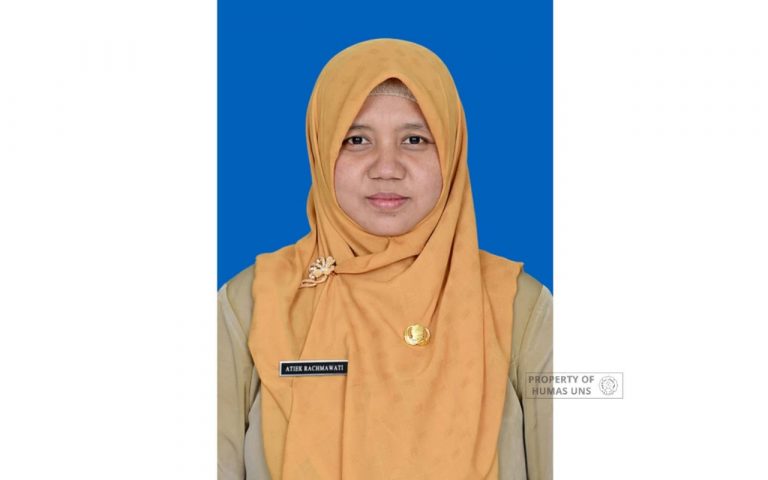
Afia Fitriani, S.Psi., M.Psi., Psychologist, opened the session with a discussion on Understanding Mental Health Among University Students. She referred to the World Health Organization (WHO) for the definition of mental health. WHO defines it as a state of well-being. In this state, individuals realize their abilities, handle daily stress, work productively, and contribute to their communities.
She also highlighted several challenges commonly faced by students. These include academic pressure, adapting to campus life, financial problems, social relationships, career uncertainty, and personal health concerns. Furthermore, family dynamics, moral dilemmas, and interpersonal conflicts can also contribute to mental stress.
Afia explained that various risk factors affect student mental health. These include physical illness, poor parenting, family conflict, academic demands, exposure to violence, and unsafe environments. However, there are also protective factors. Healthy eating and sleeping habits, strong emotional regulation, and supportive social relationships can improve well-being.


“Early detection through regular screening is essential,” Afia emphasized. “Academic mentors, instructors, or students can carry out screenings during mentoring sessions, classes, or online mental health tests.”
The session also introduced Psychological First Aid (PFA). This short-term intervention helps students experiencing trauma or acute stress. PFA applies the Look, Listen, and Link principles. Its purpose is to create safety, reduce distress, and accelerate recovery.
The Role and Responsibilities of Mental Health Agents
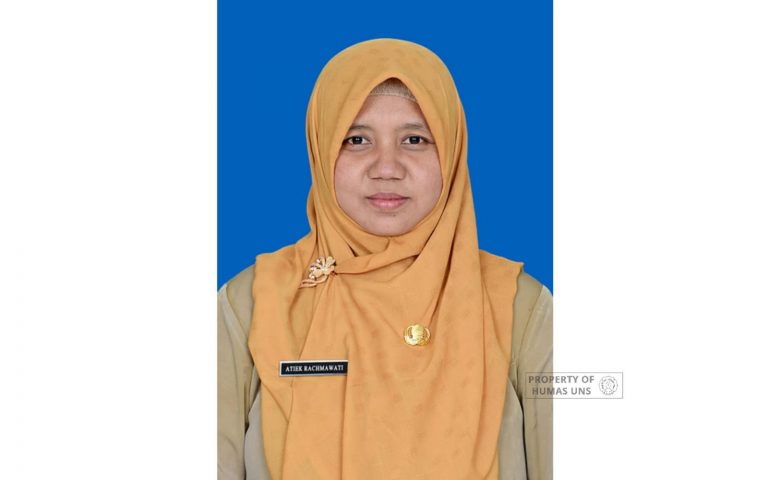
The second speaker, Berliana Widi Scarvanovi, S.Psi., M.Psi., Psychologist, is also the Head of the UNS Sub-directorate of Student Counseling Services. She explained the structure of UNS’s integrated mental health support system. It includes university-level counseling units, faculty-based centers, and peer-support initiatives involving trained MHAs.
According to Berliana, MHAs play a crucial role in improving mental health awareness among students. “They serve as the first point of contact for peers experiencing emotional or psychological challenges,” she said. “They also act as connectors between students and professional services.”
In addition, she stressed the importance of understanding role limitations. MHAs are only authorized to assist peers within the “healthy” mental phase. Students should refer more serious conditions to professional counselors.
The training also educated MHAs on recognizing the four phases of mental health: healthy, reactive, wounded, and ill. Participants learned basic screening techniques and how to deliver Psychological First Aid.
With representatives from multiple faculties, the event marks the formation of a university-wide MHA network. This network will play an active role in early detection, initial support, and facilitating access to professional mental health services at UNS. Humas UNS