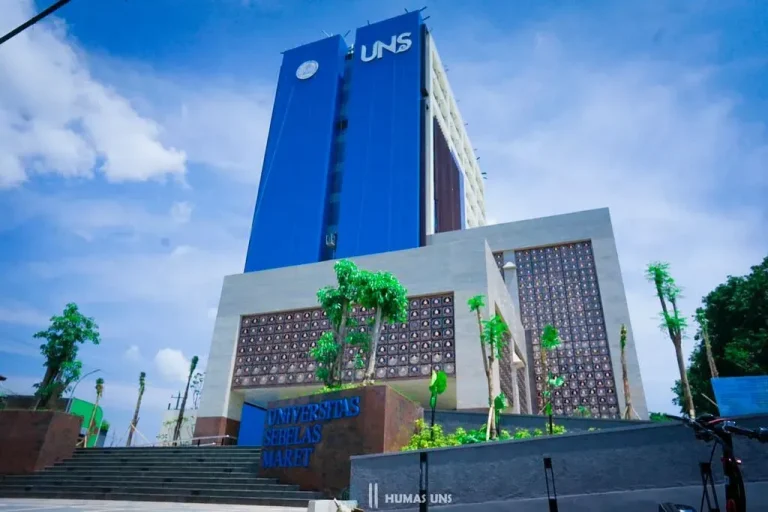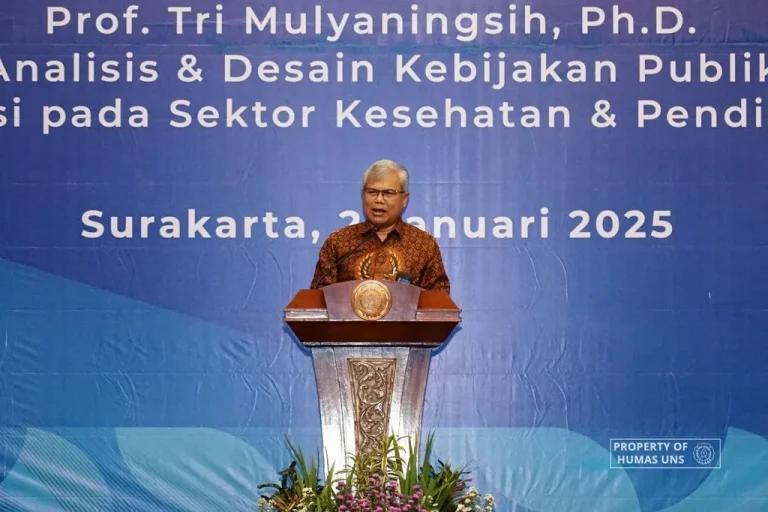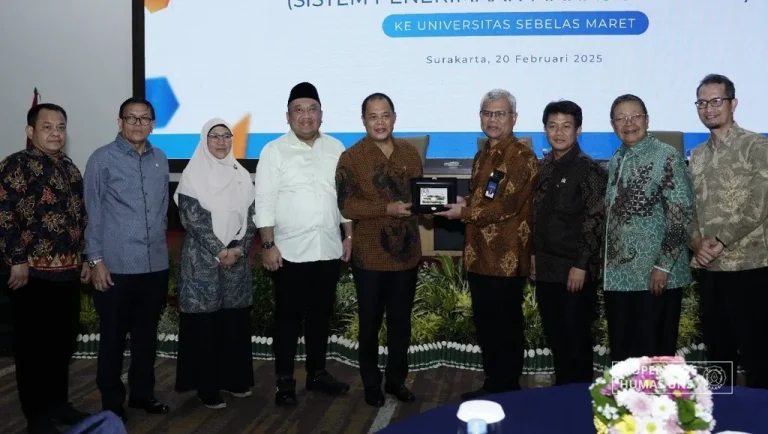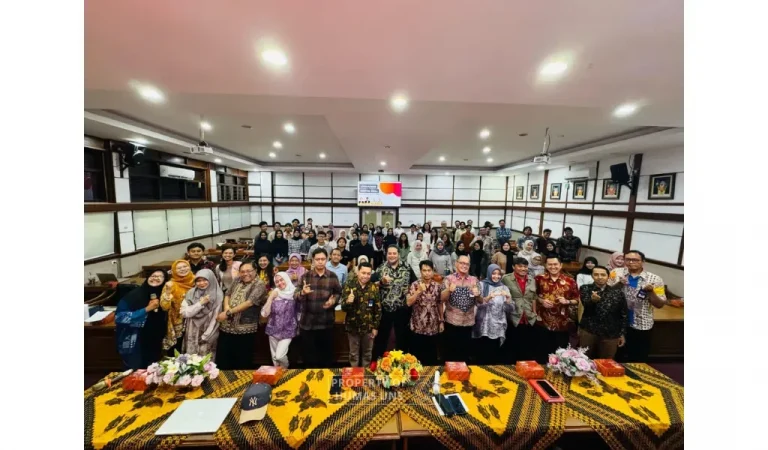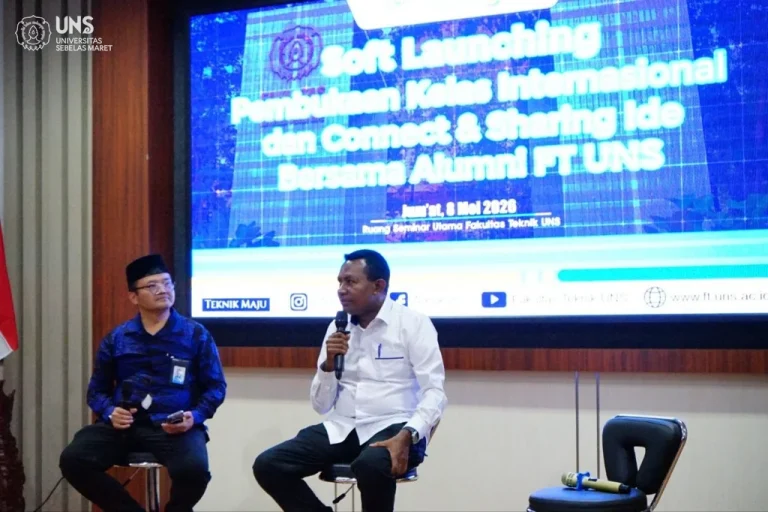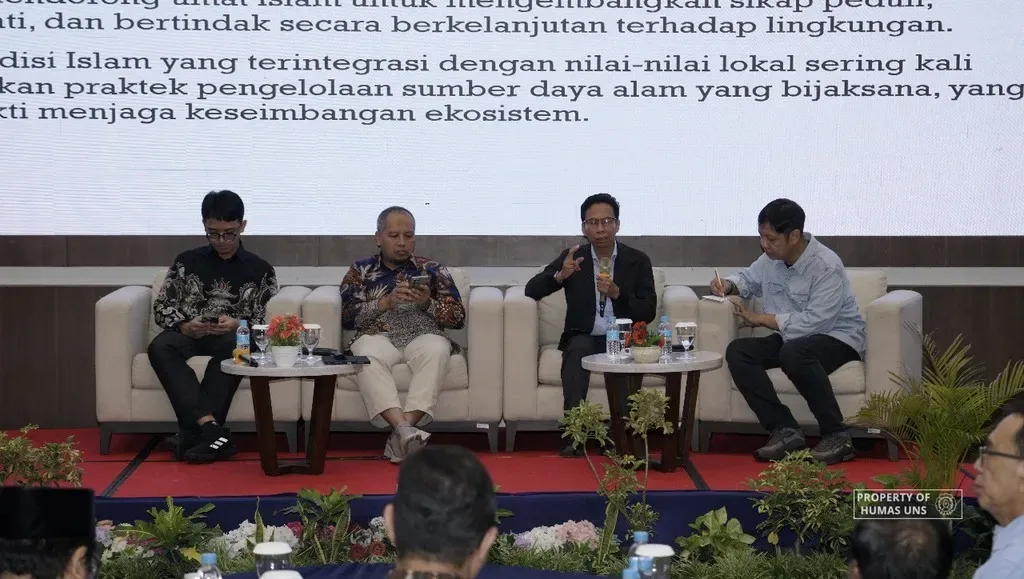
UNS – The Association of Indonesian Muslim Intellectuals (ICMI) Surakarta Branch for the 2024–2029 period organized a national seminar on Tuesday (21/1/2025) at the Ballroom of UNS Tower.
The event began with a discussion on the work programs of ICMI Surakarta’s various sectors, including education, culture, national character development, collaboration, communication and digital transformation, as well as science and technology integrated with faith and morality.
For this early-year seminar, ICMI adopted the theme “Indonesia’s Socio-Economic Outlook and the Role of Muslims in Achieving Indonesia Emas 2045.” The seminar also served as the “Kick-Off Event” for ICMI Surakarta’s activities during the 2024–2029 period. This event was supported by Bank Syariah Indonesia (BSI).
Emphasizing the Role of Muslims in Indonesia Emas 2045
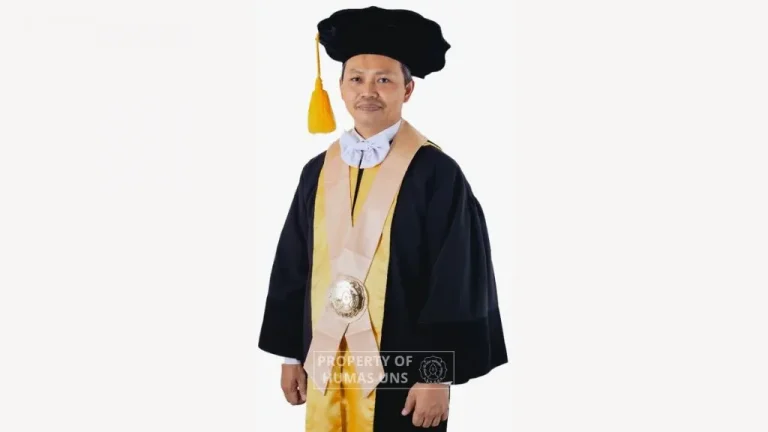
On this occasion, Prof. Irwan Trinugroho, S.E., M.Sc., Ph.D., Chair of ICMI Surakarta, emphasized the importance of ICMI and the Muslim community’s role in achieving Indonesia Emas 2045. As the Vice Rector for Planning, Cooperation, Internationalization, and Information at UNS, he urged ICMI members to engage directly with society.
“Many seminars discuss Indonesia’s socio-economic conditions, but few address the role of Muslims in this context. ICMI Surakarta’s thoughts, ideas, and contributions in various fields need to be documented and disseminated through online media so the public and stakeholders can access them. Beyond ideas, ICMI Surakarta must actively engage with the community to ensure its benefits are felt by society,” Prof. Irwan said.

Insights from Seminar Speakers
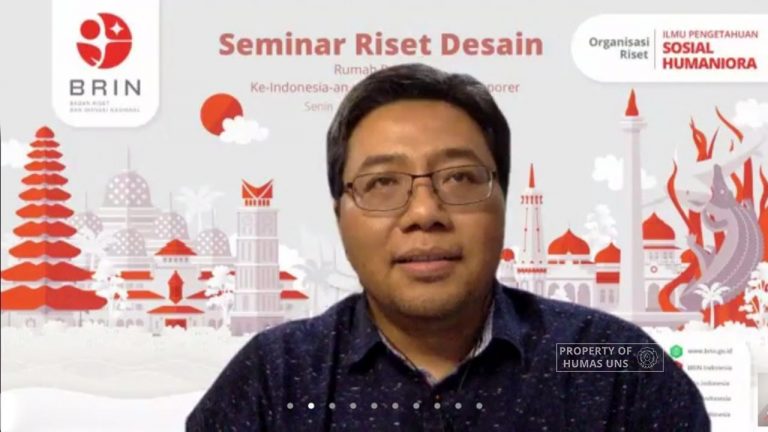
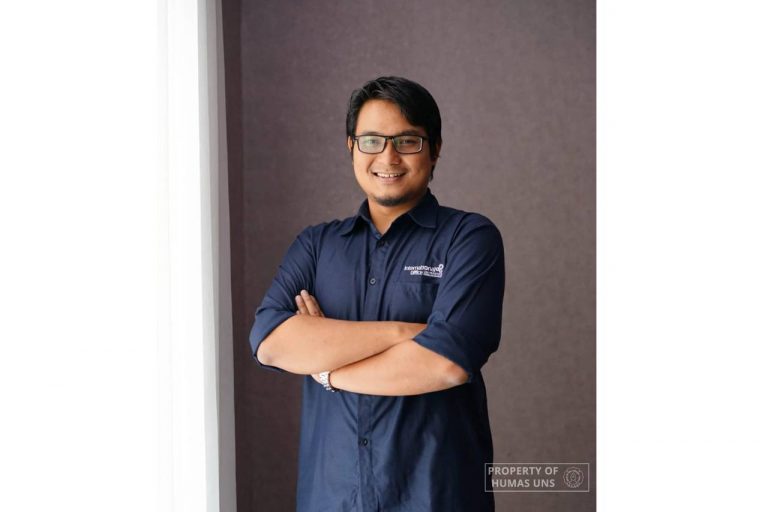
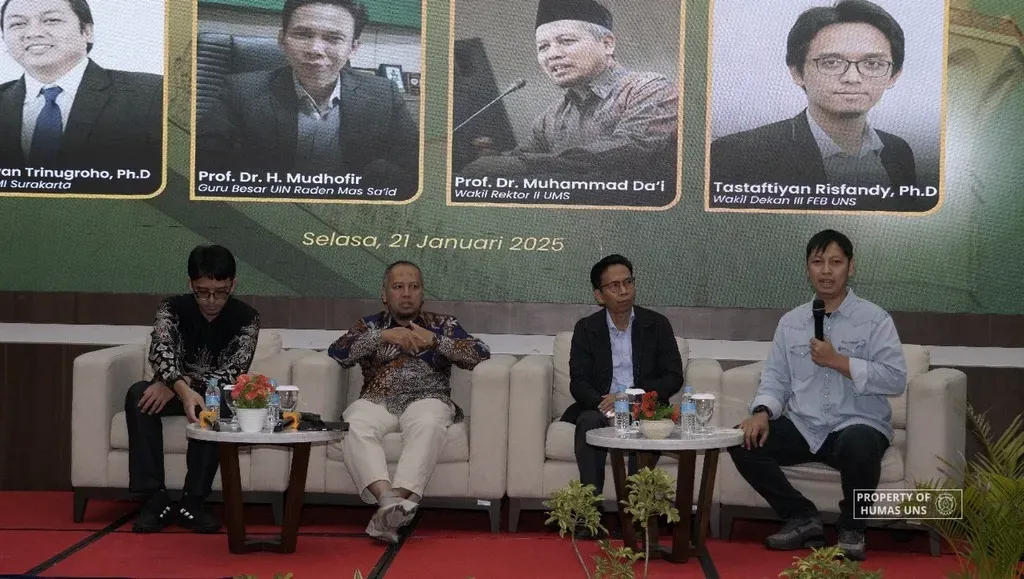
Ibrahim Fatwa Wijaya, S.E., M.Sc., Ph.D., Director of the Directorate of Planning, Cooperation, Internationalization, and Reputation at UNS, moderated the seminar. The event featured three prominent speakers: Prof. Dr. H. Mudofir, S.Ag., M.Pd., a Professor at UIN Raden Mas Said Surakarta; Prof. Dr. Muhammad Da’i, M.Si., Apt., Vice Rector for Finance, Assets, and General Administration at Universitas Muhammadiyah Surakarta (UMS); and Tastaftiyan Risfandy, S.E., M.Sc., Ph.D., Vice Dean for Student Affairs and Alumni at FEB UNS.
Prof. Mudofir shared insights on the role of Muslims in environmental conservation, highlighting that the environmental crisis reflects a spiritual crisis. He stressed the need for Islamic institutions to focus on environmental preservation.
“It is crucial for scholars to develop thematic interpretations of environmental issues. This is necessary because many Muslims do not consider environmental conservation and its degradation as significant aspects that support worship and the afterlife. Scholars should also develop sermons addressing environmental preservation, the dangers of environmental damage, and sustainability. Therefore, we need environmental activists who can disseminate the role of religion in environmental conservation,” Prof. Mudofir said.
Prof. Da’i addressed leadership and the competitive edge of Muslims in science and technology, which still lag behind.
“Muslims should change their mindset, recognizing that worship extends beyond praying, reciting, and fasting. They should view activities like working, innovating, and studying, which occupy much of their time, as acts of worship as well. Additionally, to address the low competitiveness of human resources within the community, Muslims should empower those struggling to find employment,” Prof. Da’i explained.
Meanwhile, Risfandy, Ph.D., focused on Indonesia’s Islamic economics and poverty alleviation. “To address poverty and inequality among Indonesians, stakeholders should implement free education, provide free nutritious meal programs, and introduce initiatives in banking and mosques. These efforts should begin with families, serving as the foundation for educating their members,” Risfandy stated.
Humas UNS