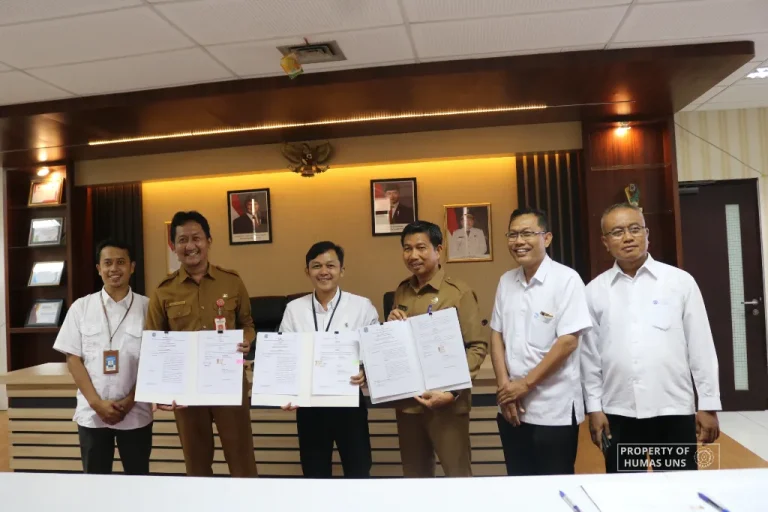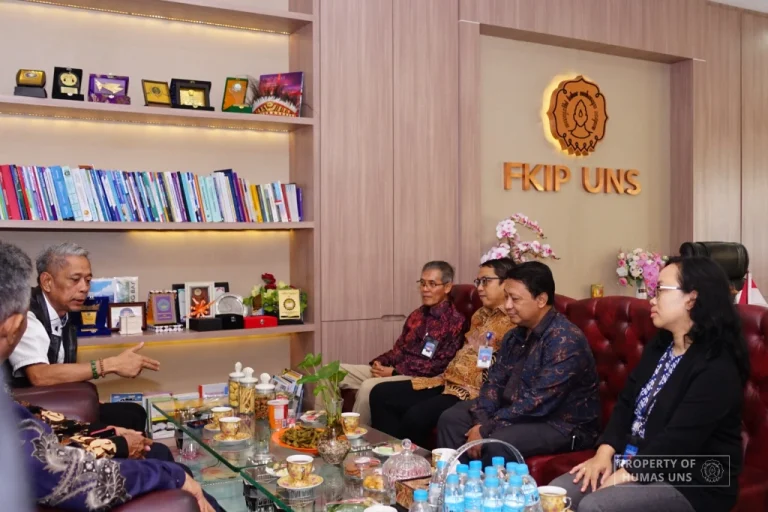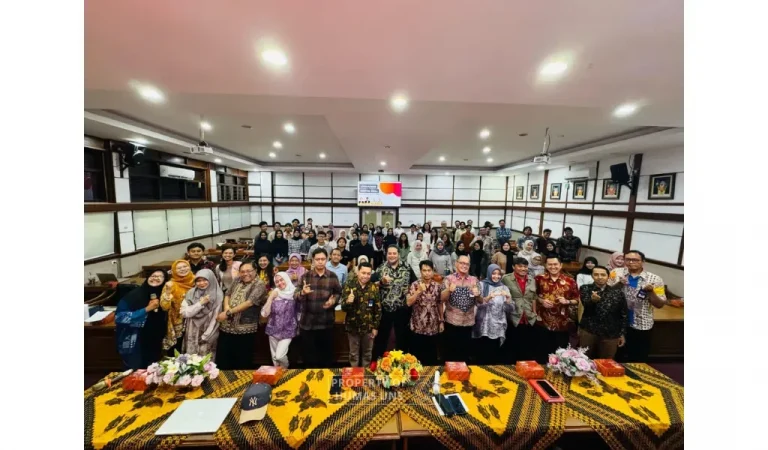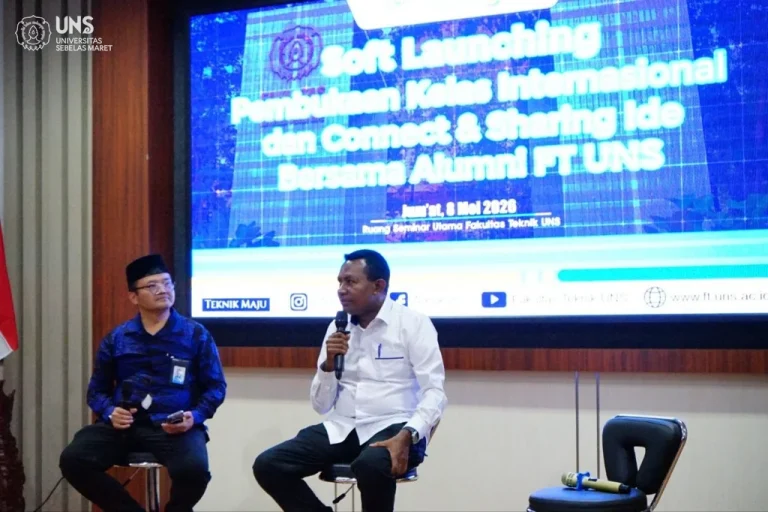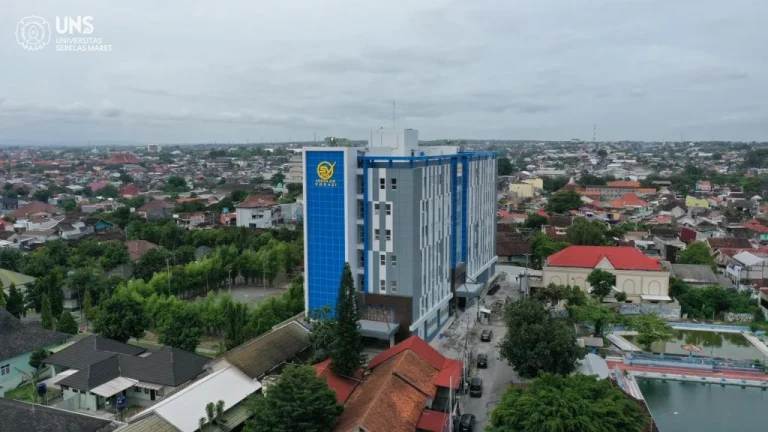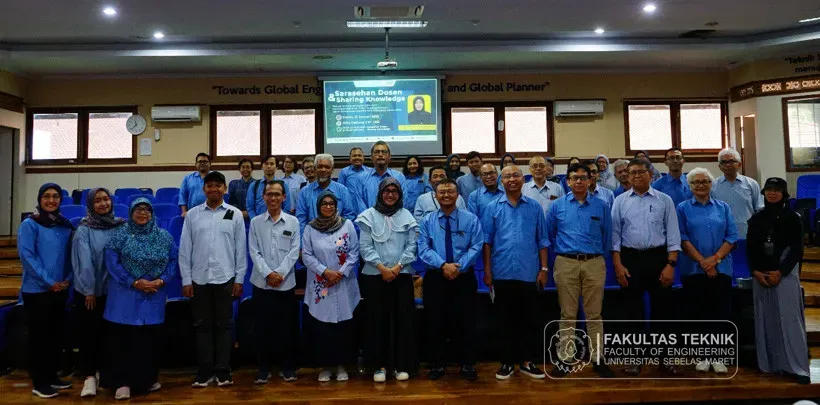
The Faculty of Engineering (FT) at Universitas Sebelas Maret (UNS) recently organized a knowledge-sharing session to help lecturers better understand and address the unique characteristics of Generation Z students. The event, held on Tuesday (21/1/2025) in the Main Seminar Room of the Ir. RPM. Kasifudin Building, aimed to equip educators with strategies to bridge generational gaps in the teaching-learning process.
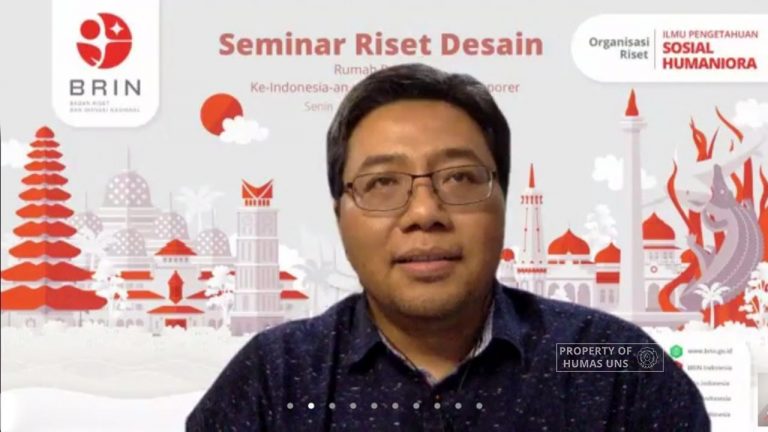
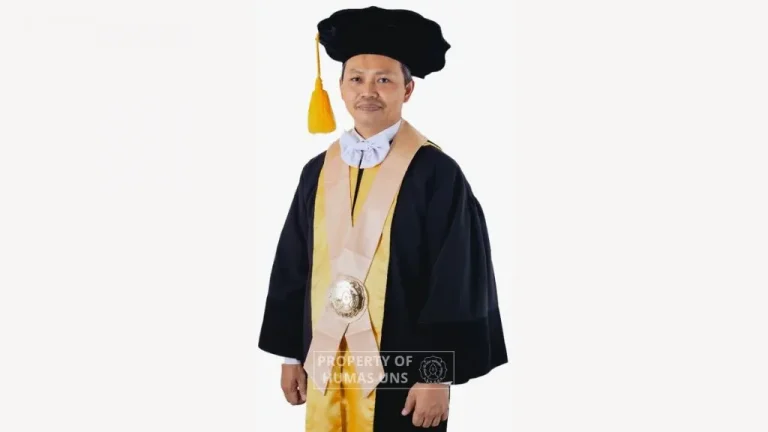
The session featured Berliana Widi Scarvanovi, S.Psi., M.Psi., a psychologist and Head of the Sub-Directorate for Student Counseling Services at UNS, as the keynote speaker. In her presentation, Berliana highlighted the distinctive traits of Gen Z students. “Generation Z is highly tech-savvy, critical, and vocal. They are skilled multitaskers but often get distracted easily. They value flexibility, freedom, and instant results,” she explained.
Berliana elaborated on how Generation Z, born between 1995 and 2010, grew up during a period marked by rapid advancements in the internet, mobile technology, and globalization. These influences have shaped their communication style, which is fast, concise, and heavily reliant on technology.
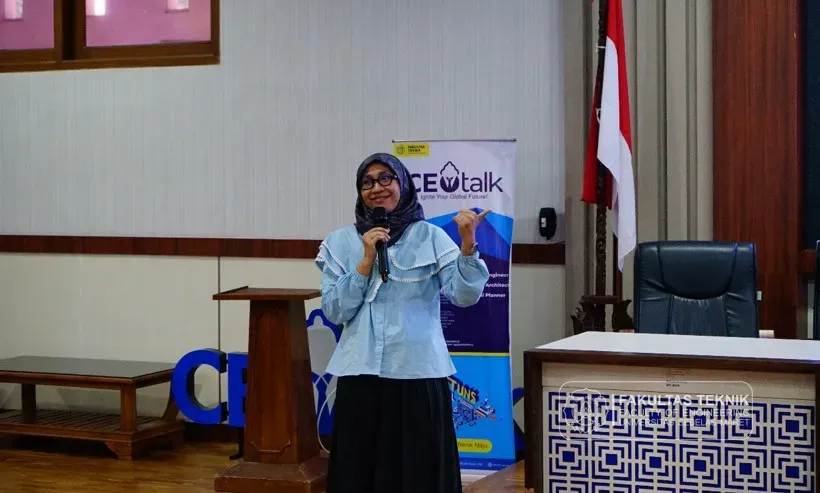
Challenges Faced by Lecturers
One of the key challenges discussed during the session was the generational gap between lecturers and students. This gap often creates differences in communication preferences, academic traditions, and the use of technology in teaching. Berliana noted, “The challenge we [lecturers] face today is understanding how to effectively communicate and engage with students from a different generation.”
She emphasized that lecturers must adapt to these differences to maintain effective teaching and foster better relationships with their students.
Strategies for Engaging Generation Z
Berliana shared several strategies for addressing the needs and characteristics of Gen Z students: stay updated with technology, diversify teaching methods, promote openness to information, offer flexible learning approaches, and prioritize mental health
Supporting the Sustainable Development Goals (SDGs)
This initiative aligns with UNS’s commitment to achieving Sustainable Development Goal (SDG) 3, which promotes good health and well-being. The program ensures a more balanced and effective teaching-learning process by fostering mental health for both lecturers and students. Additionally, it supports SDG 4 by promoting quality education through modern and adaptive teaching strategies tailored to the needs of contemporary students.
HUMAS UNS