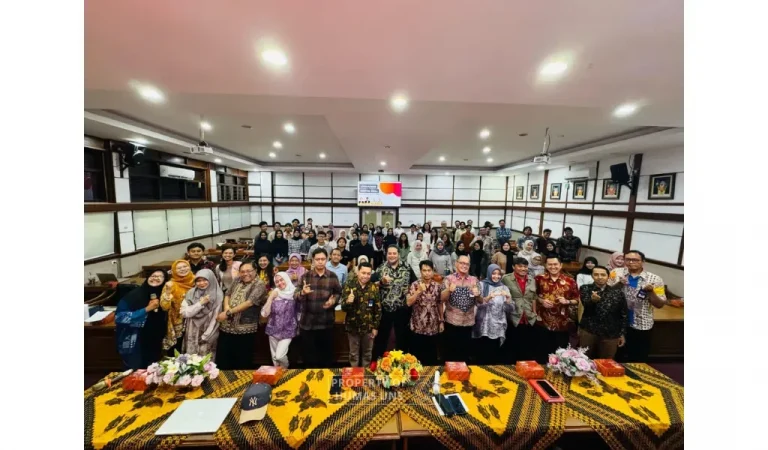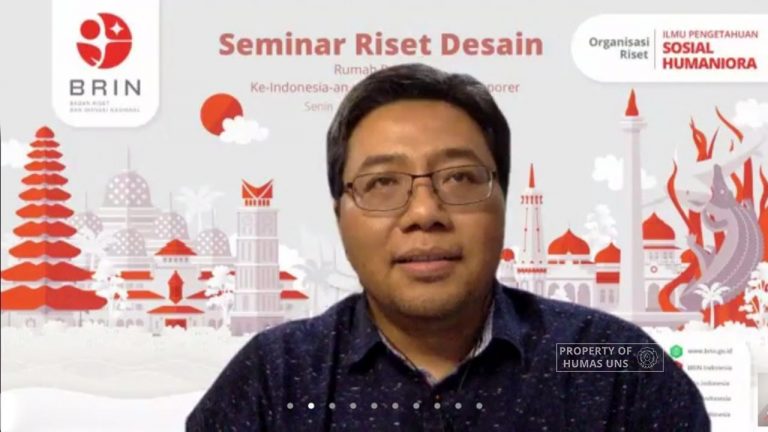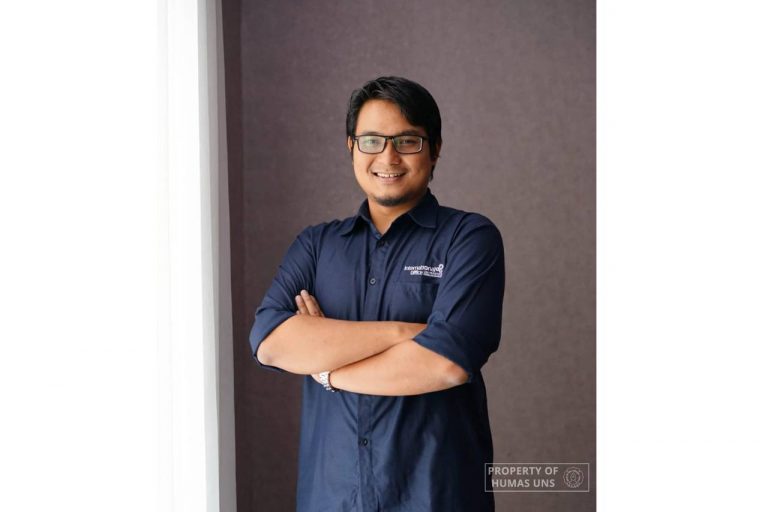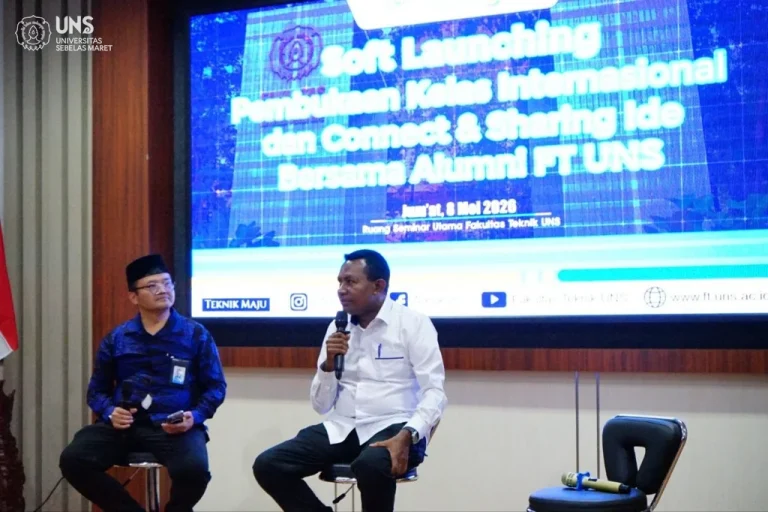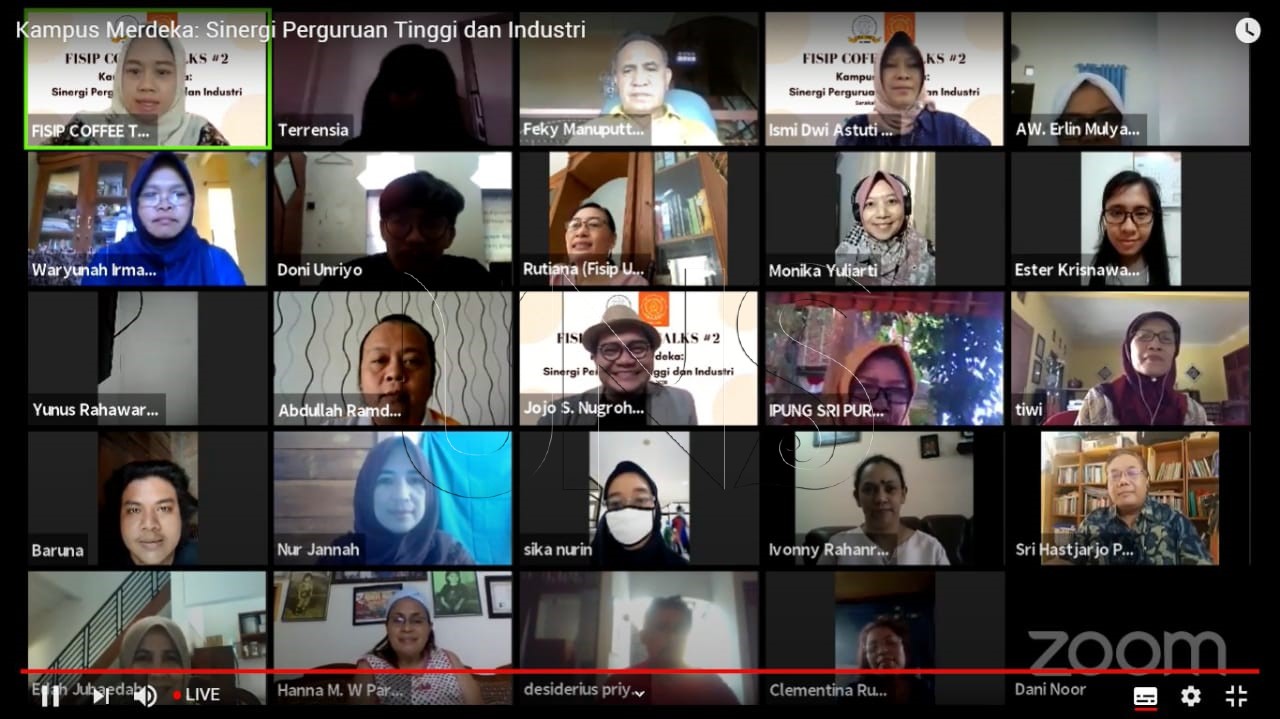
UNS – For the third time, the Faculty of Social and Political Sciences (FISIP) Universitas Sebelas Maret (UNS) Surakarta held the FISIP COFFEE TALKS, Saturday (18/7/20). Discussing the topic of “Kampus Merdeka (Independent Campus): Synergy between University and Industry”, the event invited three speakers; Jojo S. Nugroho as Managing Director Imogen Public Relations and Chairperson of the Association of Indonesian Public Relations Companies; Seto Hendrianto, Group Head Director znext Chapter Film & Production House; and Sri Hastjarjo, Ph.D. as the Head of Communication Science Program FISIP UNS and the Chairperson of the Curriculum and Learning Department of the Association of Communication Science Higher Education (Asosiasi Pendidikan Tinggi Ilmu Komunikasi – Aspikom).
The event holds through Zoom Clouds Meeting and YouTube live stream in FISIP COFFEE TALKS channel was opened by the Vice-Dean for Academic Affairs FISIP UNS, Prahastiwi Utari, Ph.D. The discussion run around the topic of student’s internship as a part of Merdeka Belajar (Independent Learning) program implementation. The internship program which student normally performed on their last semester as a means for students to implement their knowledge in the workplace need to be revised because, in the Kampus Merdeka program, students will have a six months internship and will be graded as a course.
Lead by Monika Sri Yuliarti, M.Si., the event started with knowledge sharing from Jojo S. Nugroho on the trends and mini-research he conducted annually, there are approximately 210,000 of communication science graduates who search for a job. There is high competition among the job seekers, this is when internship plays a role. At the beginning of 2020 internship became one of the alternatives in the implementation of Kampus Merdeka program.
The second speaker, Seto Hendrianto delivered material on the “Problems and challenges in the industry”. Some preparations need to be done by students before starting their internship, for example, skills and adaptability, because in their internship students will not rely on their knowledge. He also discussed industry readiness to implement the program, since both Merdeka Belajar and Kampus Merdeka are foreign for industry players. This, without doubt, is serious homework to be done before Merdeka Belajar program can be fully implemented.
The last session was delivered by Sri Hastjarjo on “Curriculum Development for Kampus Merdeka”, in which he explained that there are different definitions of internship from the industry, university, and government of point view. The first step to solve this problem is to develop one definition. He also mentioned that internship is only one of the options to implement Merdeka Belajar program, other options are student exchange, research, and many other options. Hastjarjo also disclosed the difficulties in preparing a curriculum to implement Merdeka Belajar program, especially for internship option. The earliest option to apply for an internship is in the seventh semester because, in several universities, students need to complete their compulsory courses beforehand.
This program was attended by the Dean of FISIP UNS, Prof. Dr. Ismi Dwi Astuti Nurhaeni M.Si, students, and alumni of FISIP UNS. HUMAS UNS
Reporter: Ratri Hapsari
Editor: Dwi Hastuti