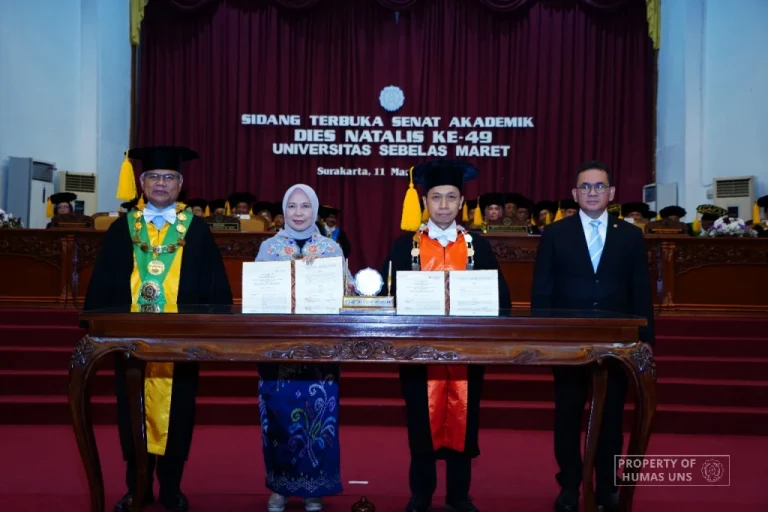
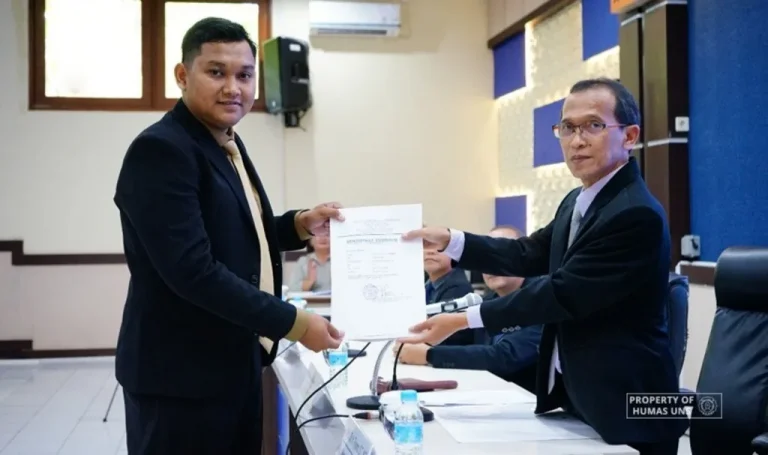
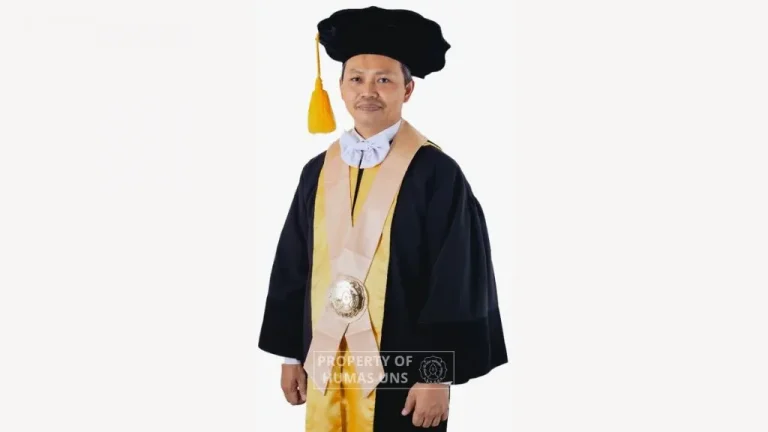
UNS — Universitas Sebelas Maret (UNS) Surakarta officially inaugurated Prof. Dr. Ir. Adrian Nur, S.T., M.T., as a Professor in Electrochemical Process Technology – Electrochemical Engineering. He serves as a lecturer at the Faculty of Engineering (FT). The inauguration ceremony took place at the G.P.H. Haryo Mataram Auditorium UNS. The UNS Academic Senate Open Session hosted the event on Wednesday (12/2/2025). Prof. Adrian became the 39th Professor at the Faculty of Engineering and the 358th at UNS.
The Role of Electrochemical Engineering in Hydrogen Fuel Development
His inaugural speech titled “The Role of Electrochemical Engineering in the Development of Hydrogen Fuel.” Prof. Adrian highlighted hydrogen’s vast potential. He emphasized its role as an eco-friendly alternative fuel. He highlighted that green hydrogen is produced through water electrolysis powered by renewable energy. It plays a crucial role in the global energy transition toward net-zero emissions.
Advantages of Hydrogen Fuel
Hydrogen boasts a high calorific value, rapid reaction rate, and the ability to integrate with various renewable energy sources. According to Prof. Adrian, hydrogen is not only a viable solution for the transportation sector. It is also applicable in industries, power generation, and households.
Innovations in Electrochemical Engineering
Prof. Adrian’s research focuses on electrochemical engineering, which serves as the backbone of hydrogen technology. His innovations include the synthesis of transition metal-based catalysts that facilitate hydrogen release from chemical storage materials like sodium borohydride. This breakthrough enhances hydrogen storage and production efficiency.


Indonesia’s Potential in Green Hydrogen Production
As fossil fuel reserves deplete and energy demands rise, Indonesia strives to become a leading player in green hydrogen production. The government plans to increase hydrogen generation capacity from 328 MW between 2031-2035 to 52 GW between 2051-2060. Indonesia leverages its abundant natural resources, such as solar, wind, water, biomass, and geothermal energy, to achieve this goal.
The Global Shift to Sustainable Energy
Hydrogen-based fuel cell technology offers high efficiency and a significantly lower carbon footprint than conventional technologies. Countries worldwide are integrating hydrogen technology into their national strategies to achieve a sustainable energy future.
UNS’s Commitment to Sustainable Energy
This inauguration reflects UNS’s dedication to academic contributions in addressing global challenges. With Prof. Adrian’s expertise, UNS aims to advance renewable energy technology and promote Indonesia’s sustainable energy independence. This milestone also aligns with UNS’s mission to become a world-class university. It supports Sustainable Development Goal (SDG) 7: “Affordable and Clean Energy.”
HUMAS UNS