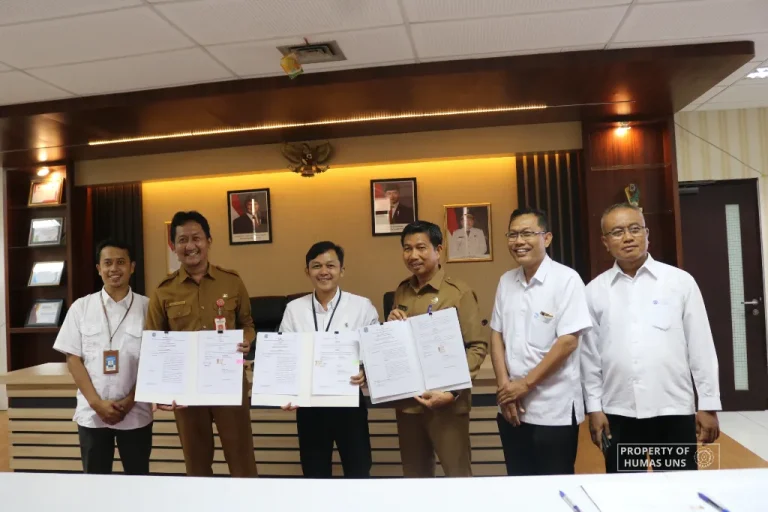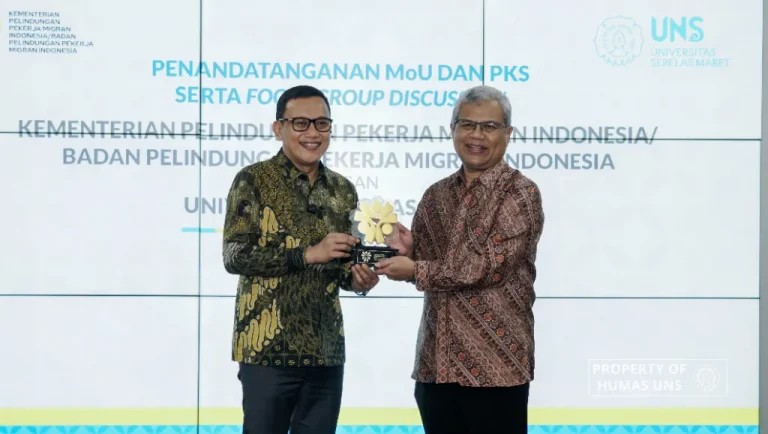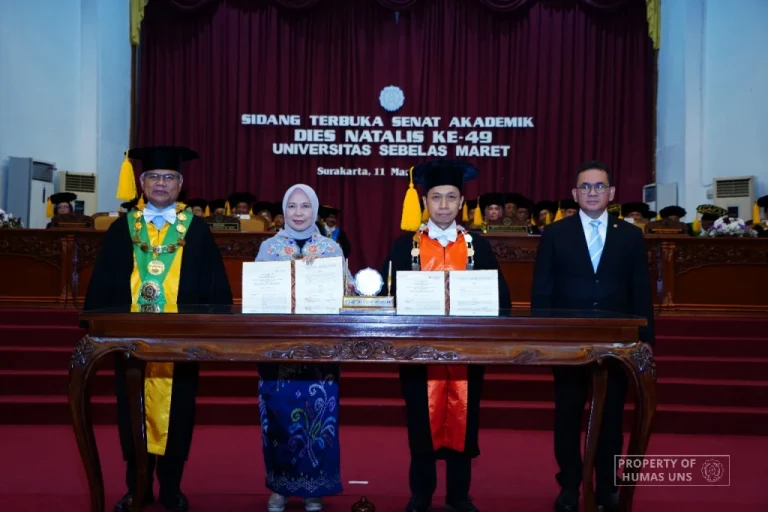
UNS – The Faculty of Engineering (FT) at Universitas Sebelas Maret (UNS) Surakarta strengthens its commitment to the national program. The Food Crops, Horticulture, and Livestock Agency of Central Kalimantan Province supports this effort through a strategic partnership. This collaboration, under Type II Self-Managed Cooperation Agreement (PKS), focuses on constructing new rice fields to support national food self-sufficiency. It reflects UNS’s dedication to playing a more active role in national development.
Strategic Collaboration to Support National Food Program
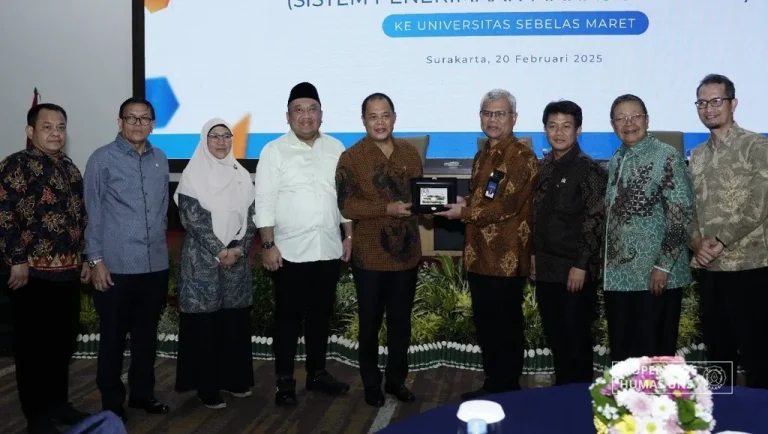
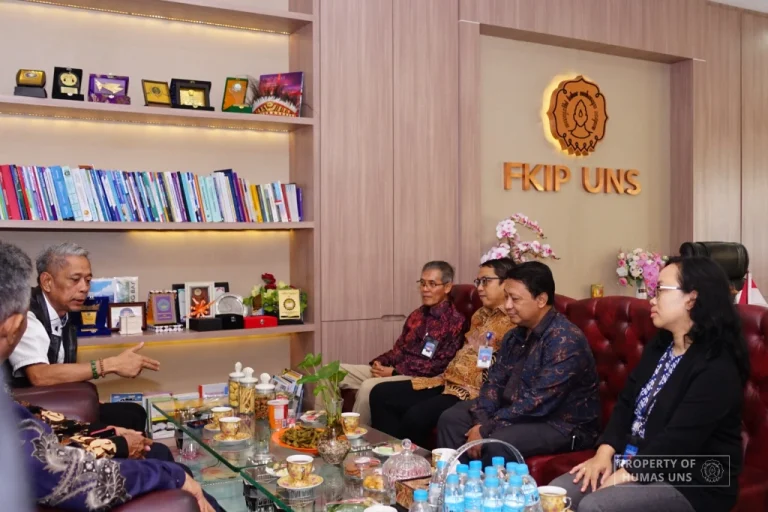
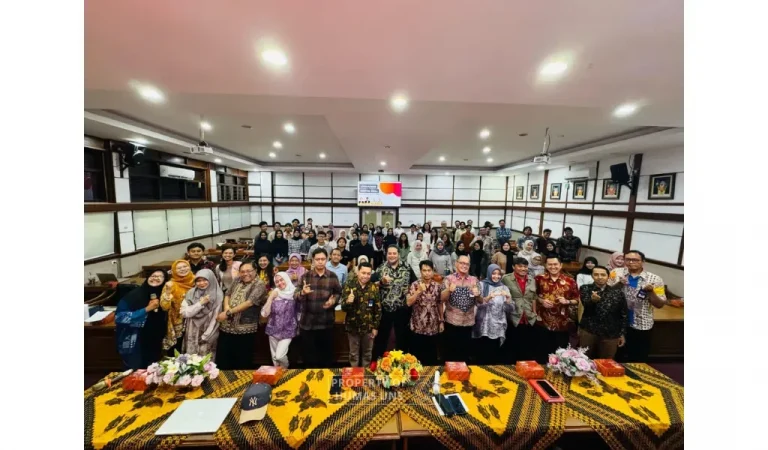
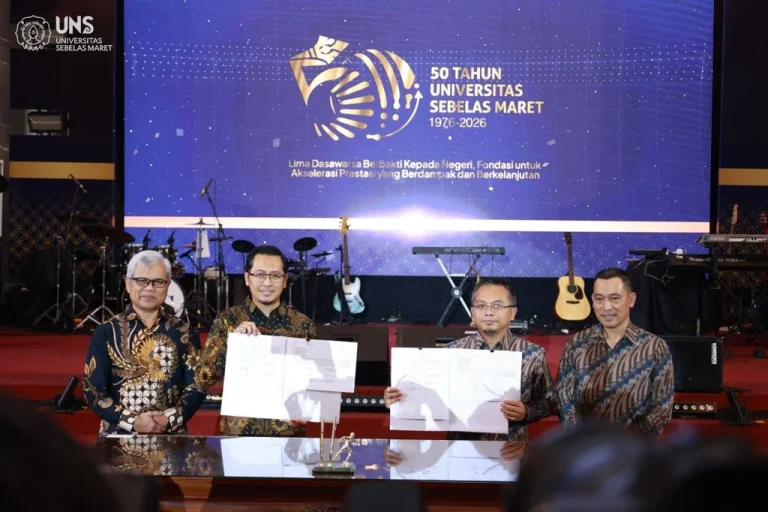
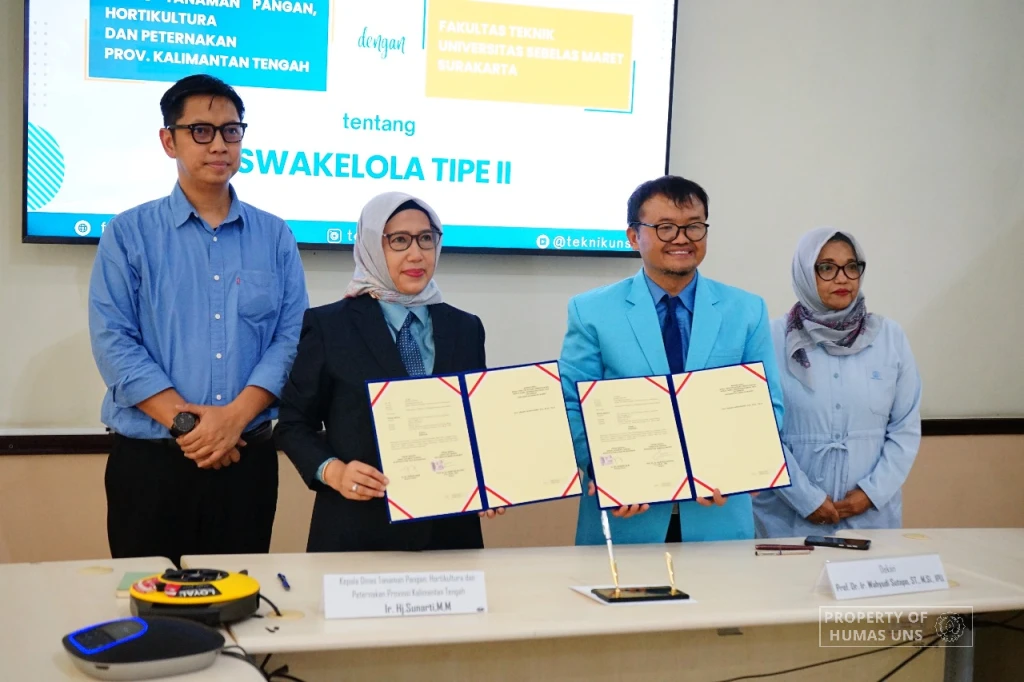
On Tuesday (11/3/2025), during the 49th UNS Dies Natalis, the Central Kalimantan Food Crop Office visited FT UNS to further discuss the collaboration. The meeting included the Dean of FT UNS, Prof. Dr. Ir. Wahyudi Sutopo, S.T., M.Si., IPU, and the Head of the Food Crops Office, Ir. Hj. Sunarti, M.M. It also involved the Director of Planning, Cooperation, Internationalization, and Reputation at UNS, Ibrahim Fatwa Wijaya, S.E., M.Sc., Ph.D.
Additionally, the implementation team was present. The meeting aimed to foster collaboration between the two institutions. The discussion focused on project details, timelines, and technical challenges.
Roles and Responsibilities of Each Party
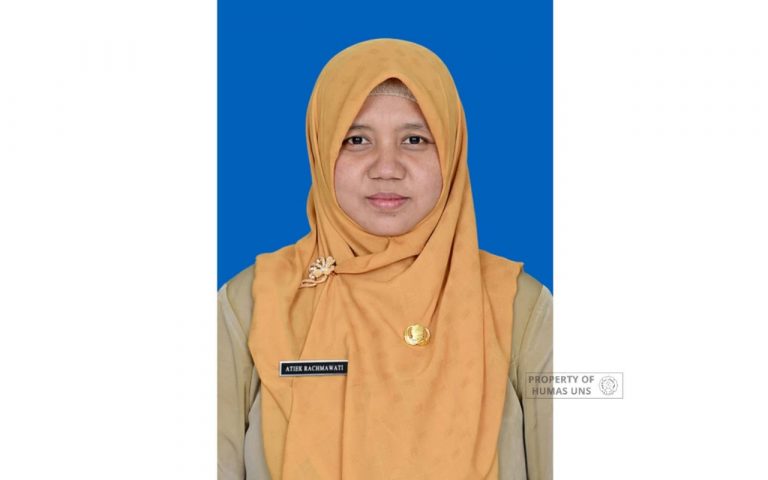
Ir. Sunarti emphasized the goal of creating 100.000 hectares of new rice fields in Central Kalimantan. Currently, 20.000 hectares are under construction, supervised by Politeknik Tanah Laut (Politala) and Universitas Palangka Raya. FT UNS will oversee the process before and after construction, ensuring the quality and efficiency of the project.
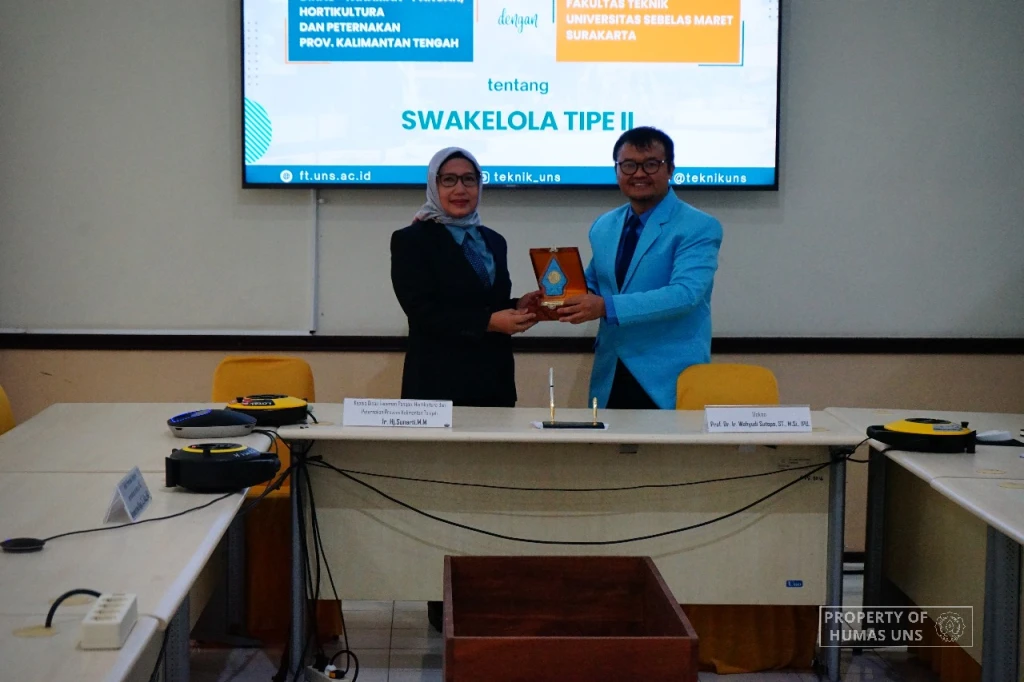
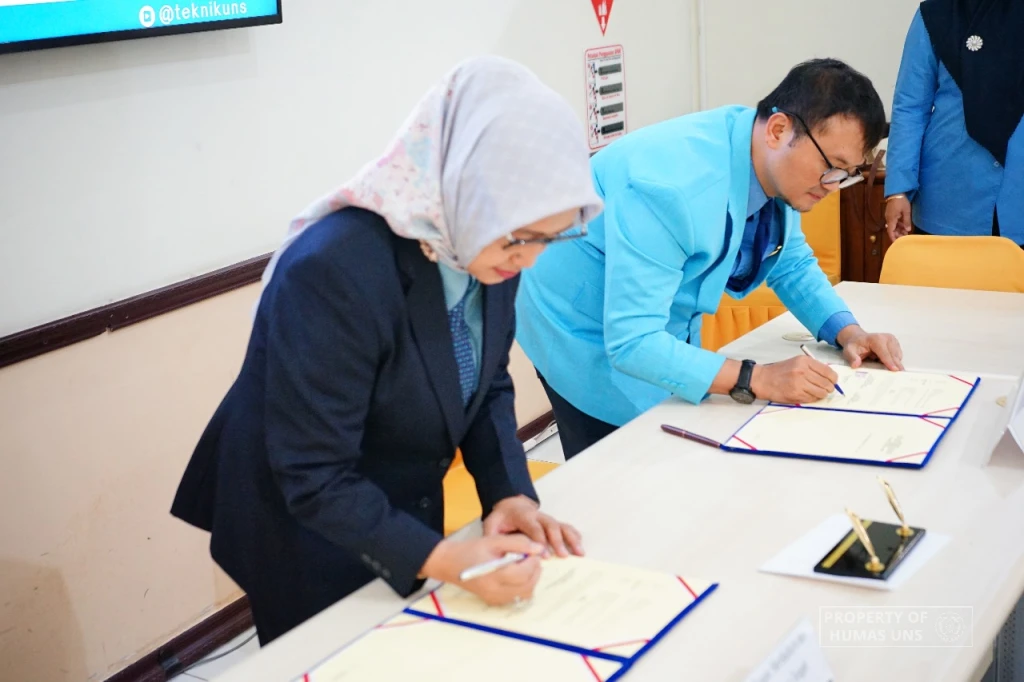
“This coordination meeting will address technical aspects, such as irrigation and pipeline installation. We aim to complete the project on time so that rice planting can start by October,” Ir. Sunarti said. She further noted that the success of this initiative would significantly boost rice production and improve food security.
Impact on National Food Self-Sufficiency
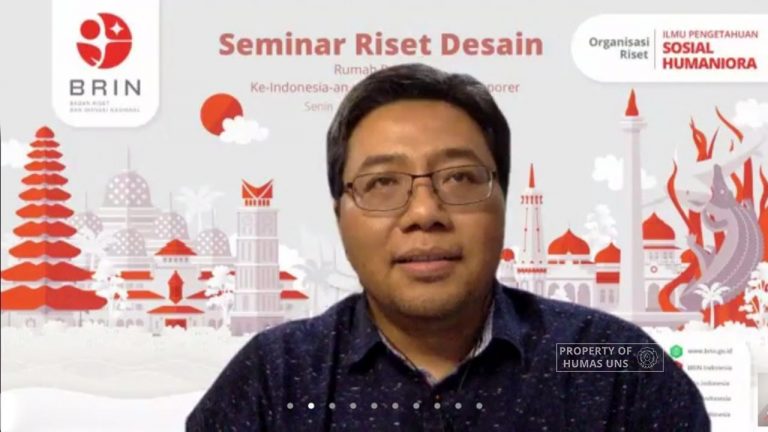
Ibrahim Fatwa Wijaya stated that this partnership aligns with UNS’s mission to support national food security. He expressed optimism that similar collaborations would follow in the future, strengthening the agricultural sector and enhancing community welfare.
Prof. Dr. Ir. Niken Silmi Surjandari, S.T., M.T., leads the FT UNS team. It includes Dr. Ir. Edy Purwanto, S.T., M.T., and Dr. Ir. Widi Hartono, S.T., M.T., from the Civil Engineering Department. Roni Zakaria, S.T., M.T., from the Industrial Engineering Department, manages the project. Their expertise will ensure effective supervision and smooth project execution.
Through this partnership, FT UNS not only excels in education but also takes an active role in implementing strategic policies. This collaboration aims to accelerate national food self-sufficiency and enhance farmers’ welfare through modern agricultural land management. Furthermore, it demonstrates UNS’s commitment to the fourth Sustainable Development Goal (SDG), Quality Education. It also supports the 17th SDG, Partnerships for the Goals.
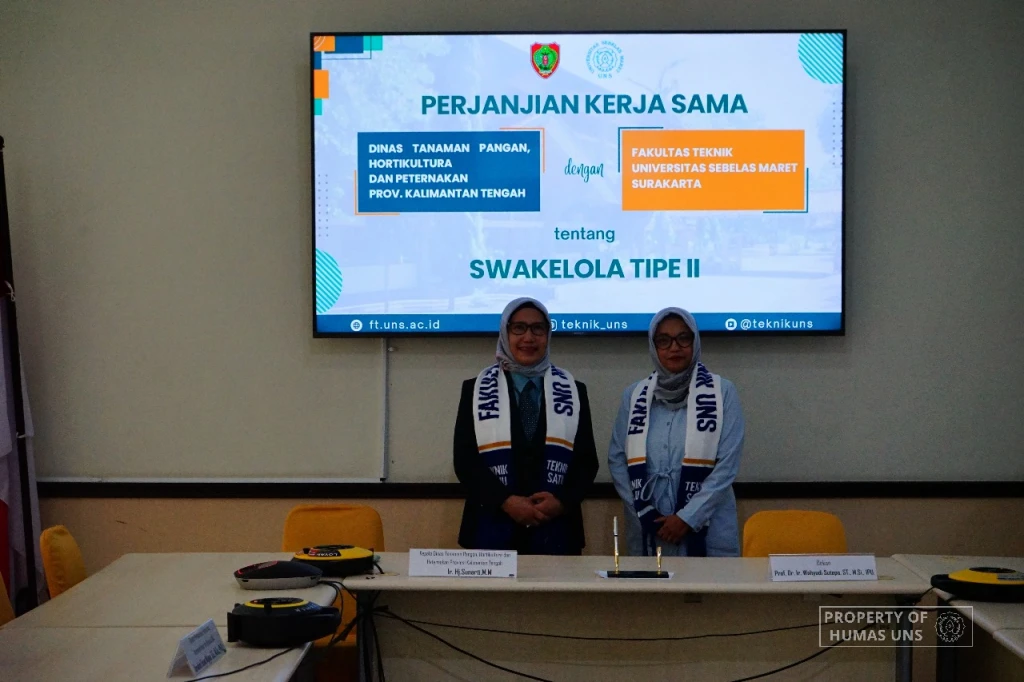
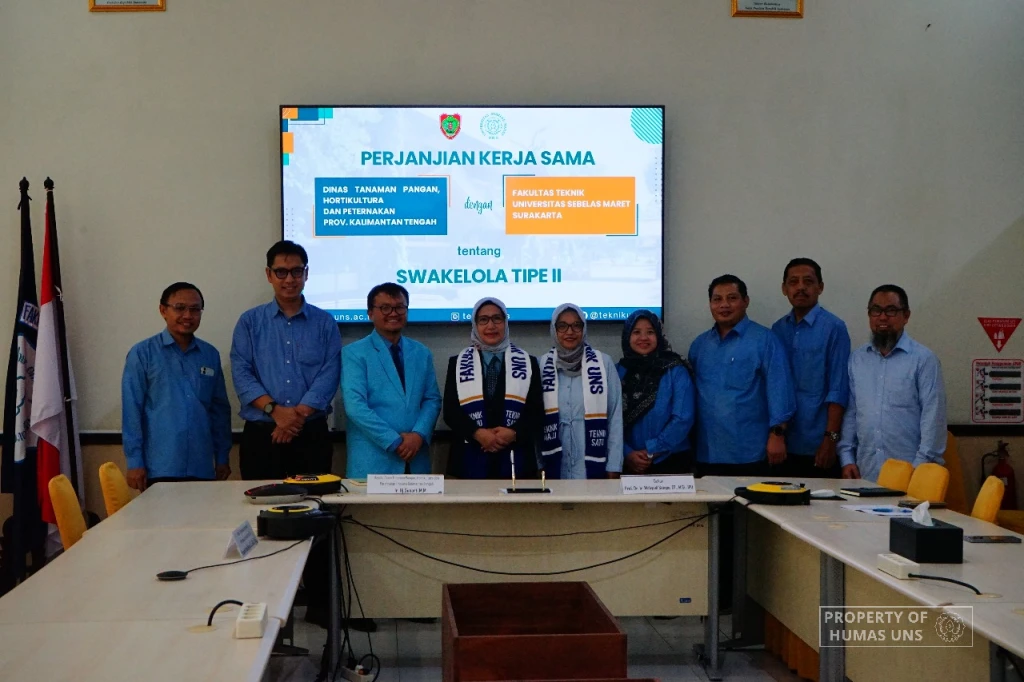
The collaboration also opens opportunities for further research and innovation in sustainable agriculture. With the involvement of experts from different fields, the project aims to introduce advanced agricultural technology. It also focuses on improving soil management techniques and enhancing water resource management. This holistic approach aims to create long-term benefits for local farmers and strengthen national food security.
HUMAS UNS