UNS — The Ministry of Health of the Republic of Indonesia has reported a significant increase in measles cases across the country since the beginning of 2026. Based on data as of February 23, 2026, there were 8,224 suspected measles cases and four reported deaths. During the same period, 21 Extraordinary Events (KLB) of suspected measles were recorded across 17 regencies/cities in 11 provinces. Of these, 13 outbreaks in six provinces have been laboratory-confirmed. The five provinces with the highest number of measles outbreaks are West Sumatra, South Sumatra, Special Region of Yogyakarta, West Java, and Central Java.
This condition has become a serious concern among health professionals, as measles is a highly contagious viral disease that can lead to severe complications, particularly in children.
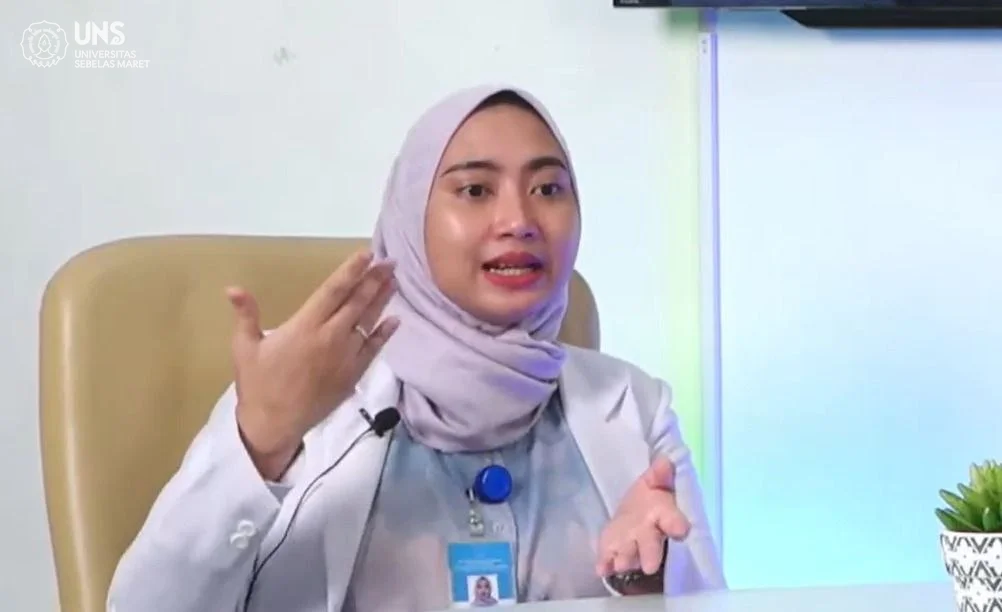
Pediatric Specialist at Rumah Sakit Universitas Sebelas Maret (RS UNS) Surakarta, dr. Debby Andina Landiasari, Sp.A., explained that measles is an infectious disease caused by the measles virus and has a very high transmission rate. The virus spreads through droplets from the respiratory tract when an infected person coughs, sneezes, or talks.
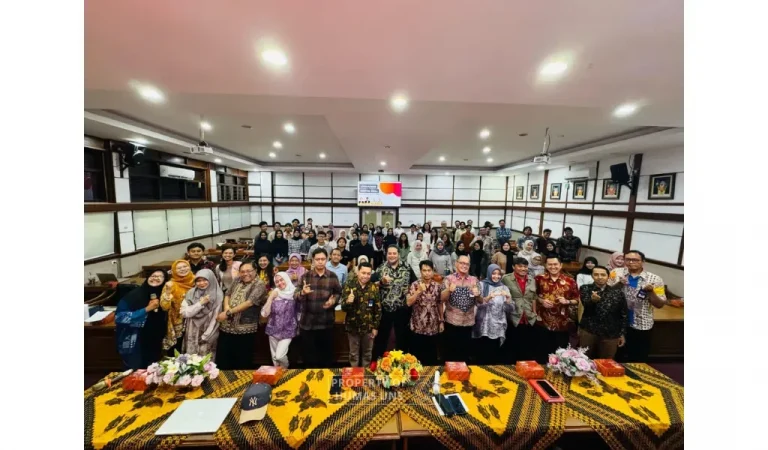
“Measles is highly contagious because it spreads through very small droplets that are often invisible. Even in daily interactions, the virus can easily be transmitted from one person to another,” explained dr. Debby during a health education session at RS UNS on Tuesday (10/3/2026).
According to her, the early symptoms of measles do not immediately appear as skin rashes. The disease usually begins with a high fever accompanied by cough, runny nose, and conjunctivitis or inflammation of the eyes. These three symptoms are commonly known as the “3C”: cough, coryza (runny nose), and conjunctivitis.
“After several days of fever, red skin rashes usually begin to appear. These rashes typically start from the face or behind the ears, then spread to the neck, body, arms, and legs over the following days,” she explained.
She further emphasized that measles can cause serious complications if not properly treated, especially in children with weakened immune systems. Possible complications include pneumonia, brain inflammation (encephalitis), and vision problems.
“The most common complication is pneumonia. If the infection reaches the lungs and causes breathing difficulties, it can become dangerous and even life-threatening,” she added.


To prevent measles transmission, dr. Debby stressed the importance of immunization. The first measles vaccine should be given at nine months of age, followed by booster doses at 18 months and five years old.
“Immunization is the most effective preventive measure. With vaccination, a child’s body develops immunity, so if they are exposed to the virus later, the symptoms are usually much milder compared to children who have not been vaccinated,” she said.
In addition to immunization, parents are advised to maintain their children’s immune system by ensuring good nutrition, providing exclusive breastfeeding for babies up to six months old, and avoiding crowded places during periods of increasing measles cases.
If a child is infected with measles, temporary isolation is important to prevent transmission to other family members. A child with measles can spread the virus from before the rash appears until about four days after the rash develops.
“If a child experiences a high fever accompanied by a rash and symptoms such as cough, runny nose, or red eyes, parents should immediately take them to a healthcare facility to confirm the diagnosis and receive proper treatment,” she advised.
RS UNS also urges the public not to panic, but to remain vigilant by taking effective preventive measures, especially by ensuring children complete their immunization schedule.
“Protecting children from measles is a shared responsibility. With complete immunization and a healthy lifestyle, the risk of transmission can be reduced so children can grow up healthy and protected,” concluded dr. Debby.
HUMAS UNS