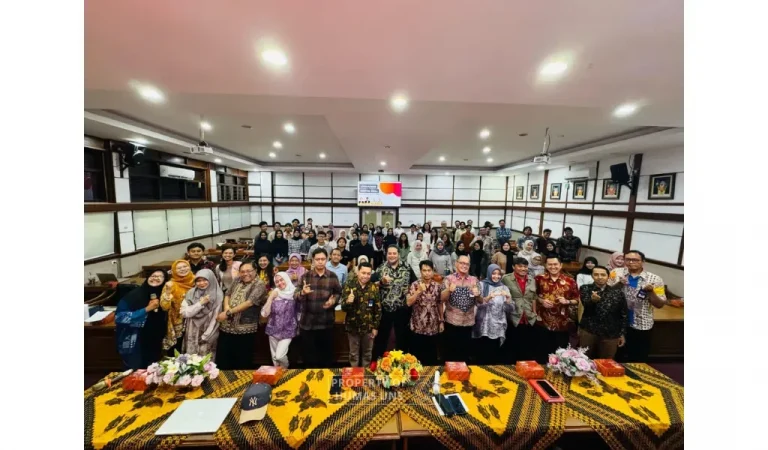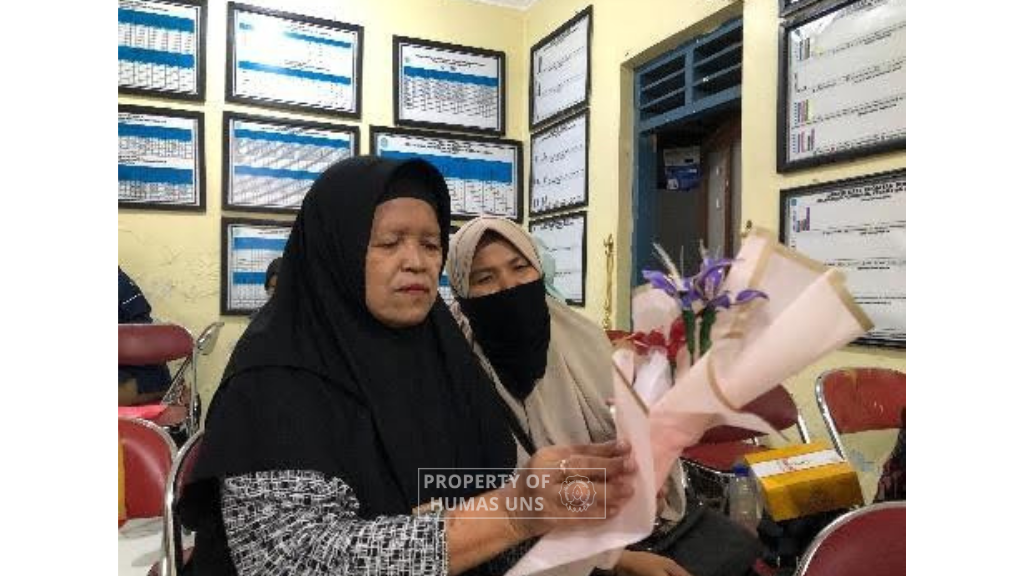
UNS – Collaborating technology and art, the Optoelectronics, Laser, and Energy Research Group (RG OLE) from the Physics Department at the Faculty of Mathematics and Natural Sciences (FMIPA), Universitas Sebelas Maret (UNS), has initiated a community service program to transform plastic waste into high-tech artificial flower crafts. This activity was held at the Popongan Village Community Hall, Karanganyar Regency, Central Java.
The project partnered with Popongan Village, which has an active Family Welfare Empowerment (PKK) group specializing in plastic waste management. The RG OLE team included five faculty members—Ahmad Marzuki, Ph.D., Prof. Ari Handono Ramelan, Prof. Agus Supriyanto, Dr. Artono Dwijo Sutomo, and Hery Purwanto, M.Sc.—along with 10 undergraduate students from the Physics Program at FMIPA UNS.
The program, supported by the UNS Institute of Research and Community Service (LPPM) under the 2024 Community Service Funding Scheme, was attended by 30 PKK members. It began with a briefing on the environmental impact of plastic waste and ended with a discussion on innovative ways to repurpose it.
Participants were introduced to the concept and benefits of fiber optic technology, which is commonly used in telecommunications but also applies to arts and crafts. The training sessions included demonstrations and hands-on workshops on creating artificial flowers enhanced with fiber optic lighting, resulting in luxurious and elegant designs.
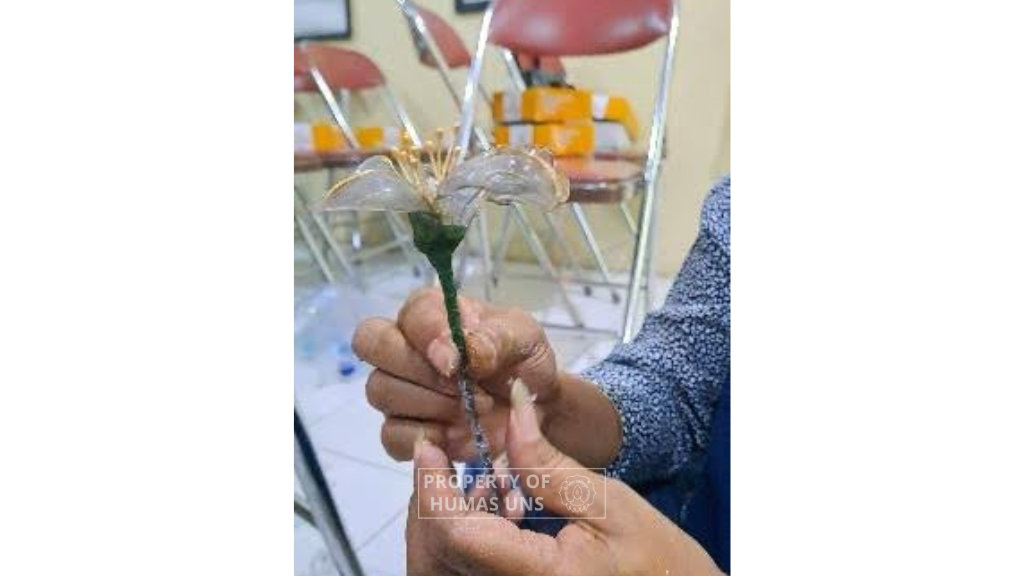
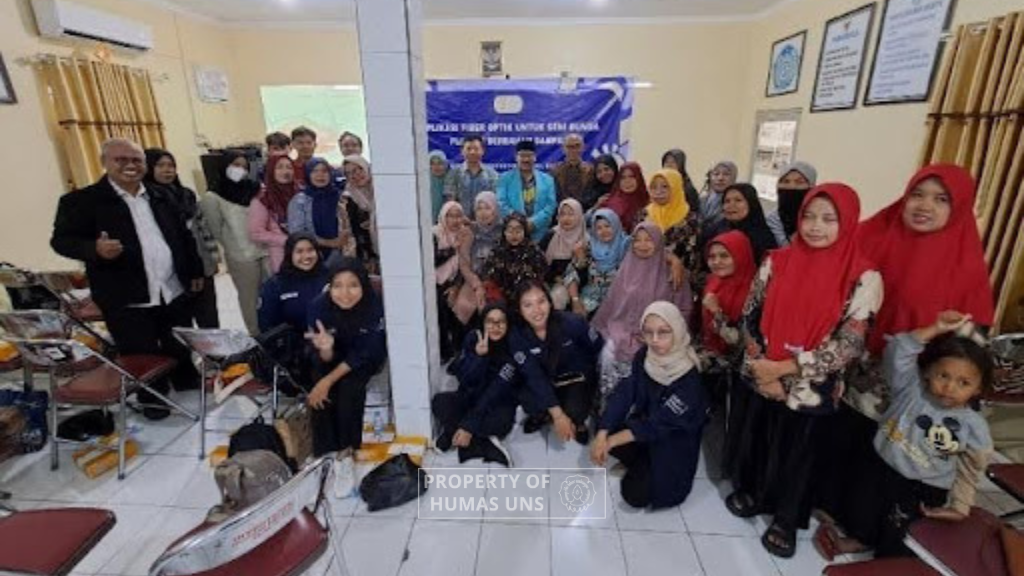
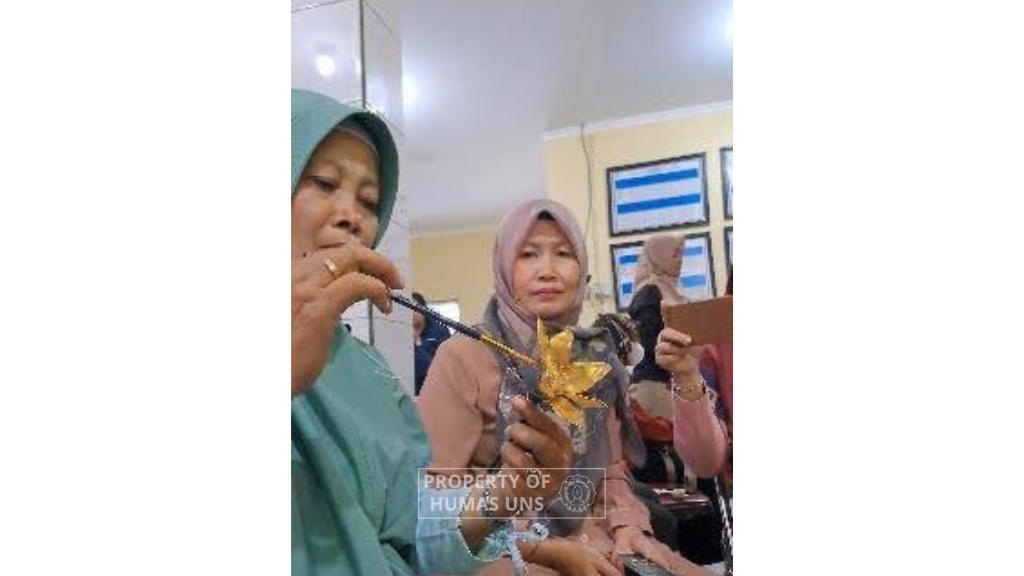
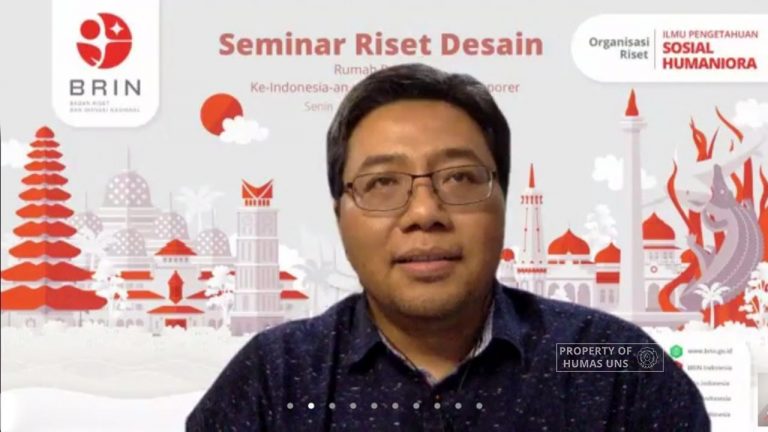
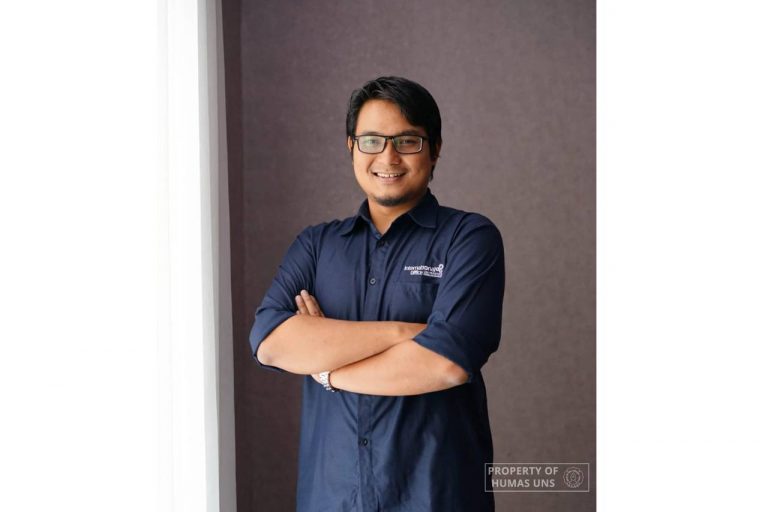
“This workshop received an enthusiastic response from participants, who gained a deeper understanding of how to creatively and economically repurpose plastic waste,” Ahmad Marzuki said on Monday (25/11/2024).
After the program, the RG OLE team committed to continuing support through a Community Service Program (KKN) focusing on product development and marketing of the light flowers. We also provided participants with equipment and materials to enable them to continue the practice at home.
The initiative aligns with the 17th Sustainable Development Goal (SDG), which is Partnerships for the Goals. By integrating campus-led activities with community groups, the program aims to achieve outcomes that fulfill shared goals.
HUMAS UNS