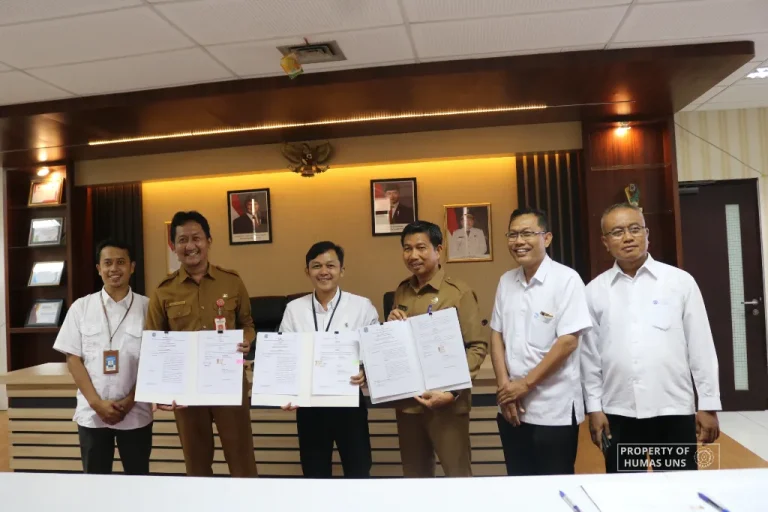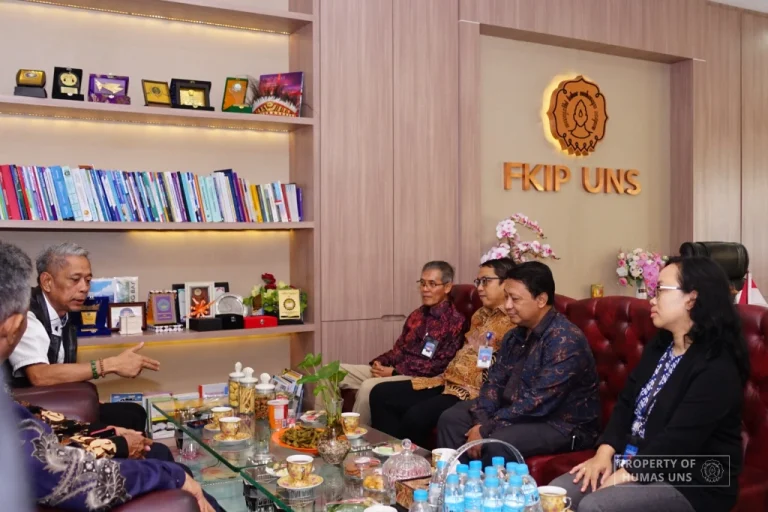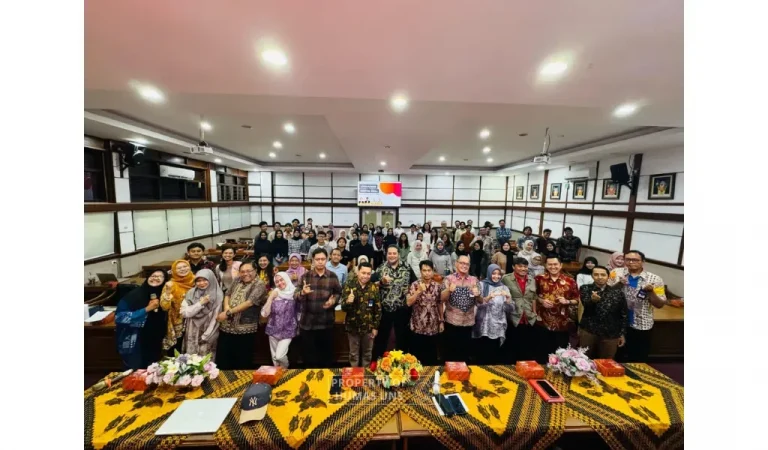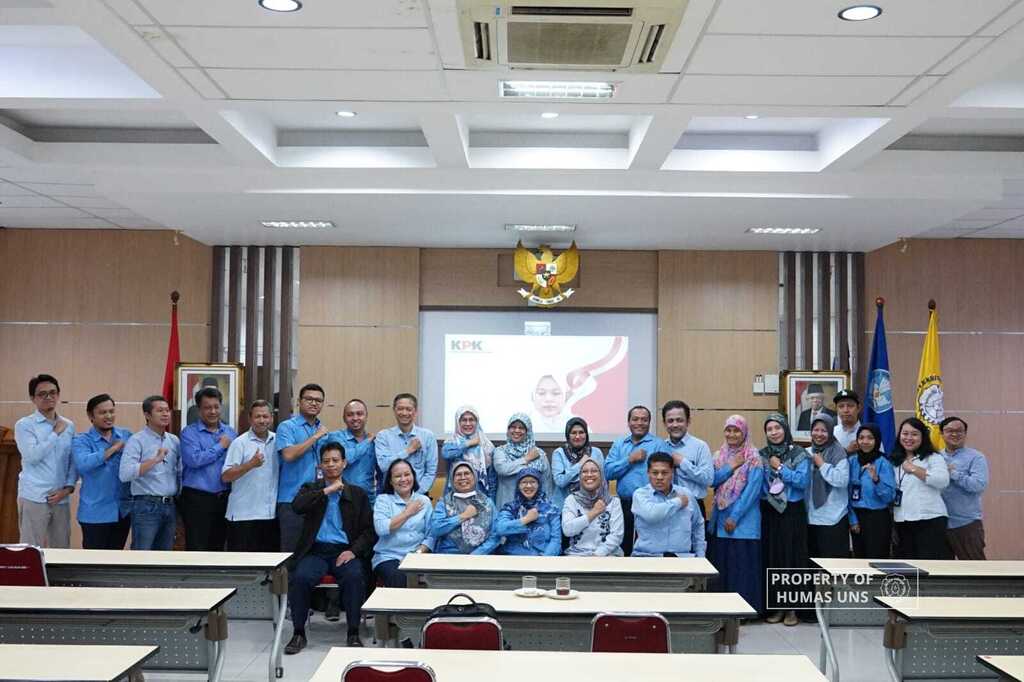
UNS – Universitas Sebelas Maret (UNS) Surakarta hosted a Workshop on Gratification Control System Development on Tuesday (23/7/2024). The event was held in the Meeting Room IV of the dr. Prakosa Building at UNS. This workshop was part of an initiative to develop a gratification control system within UNS.
The event invited the UNS academic community, particularly the UNS Bureaucratic Reform Team and the Integrity Zone Development Team. University leaders, heads of bureaus, and faculty leaders also attended. Participants listened to presentations from speakers from the Corruption Eradication Commission (KPK) of the Republic of Indonesia (RI).
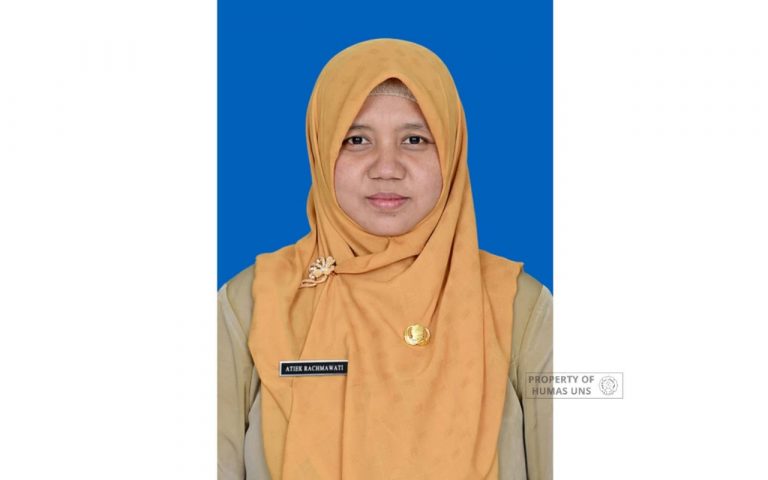
Retno Tanding Suryandari, S.E., M.E., Ph.D., Coordinator of the UNS Bureaucratic Reform Team, reported that the team had drafted several regulations to create an integrity zone. She hoped that following this workshop, the UNS academic community could strengthen the supporting regulations currently being formulated.
“These regulations will serve as our foundation for creating an anti-gratification system that we will implement,” Retno Tanding, Ph.D. stated.
Prof. Irwan Trinugroho, M.Sc., Ph.D., Acting Vice-Rector for Planning, Cooperation, Business, and Information at UNS, in his opening remarks, stated that UNS is committed to establishing gratification control. The regulations and Standard Operating Procedures (SOPs) being drafted will serve as guidelines for the entire UNS academic community in executing bureaucracy.
“This whistleblowing system supports the success of several programs such as the integrity zone and the PPID (Information and Documentation Management Officer). For us, it is crucial in fulfilling reporting functions. It is time for us to have both preventive and curative tools related to gratification,” Prof. Irwan explained.
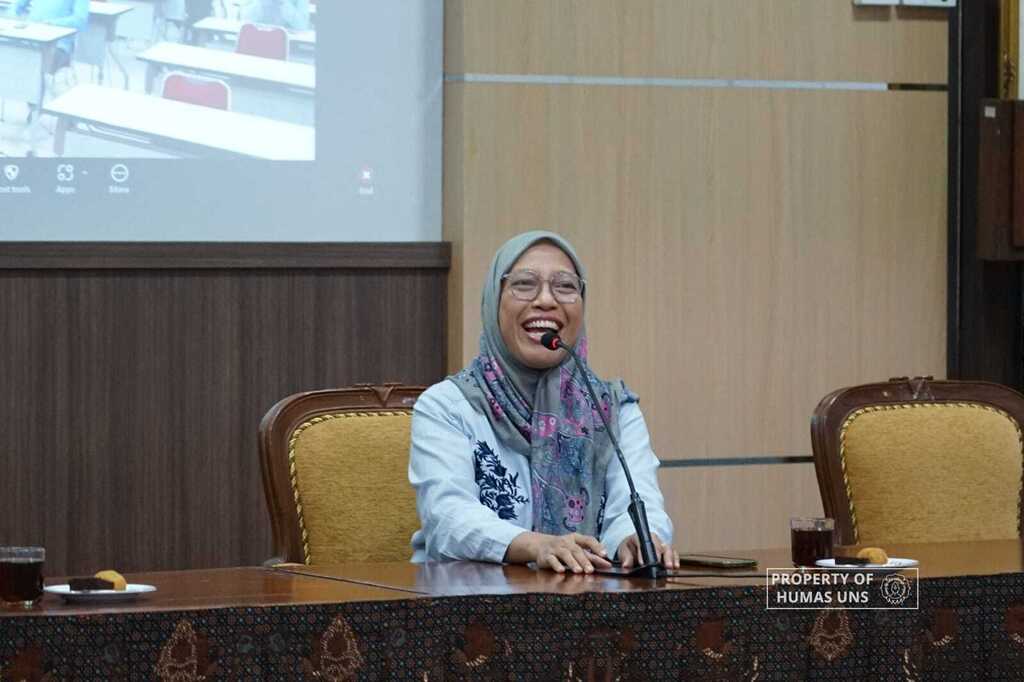
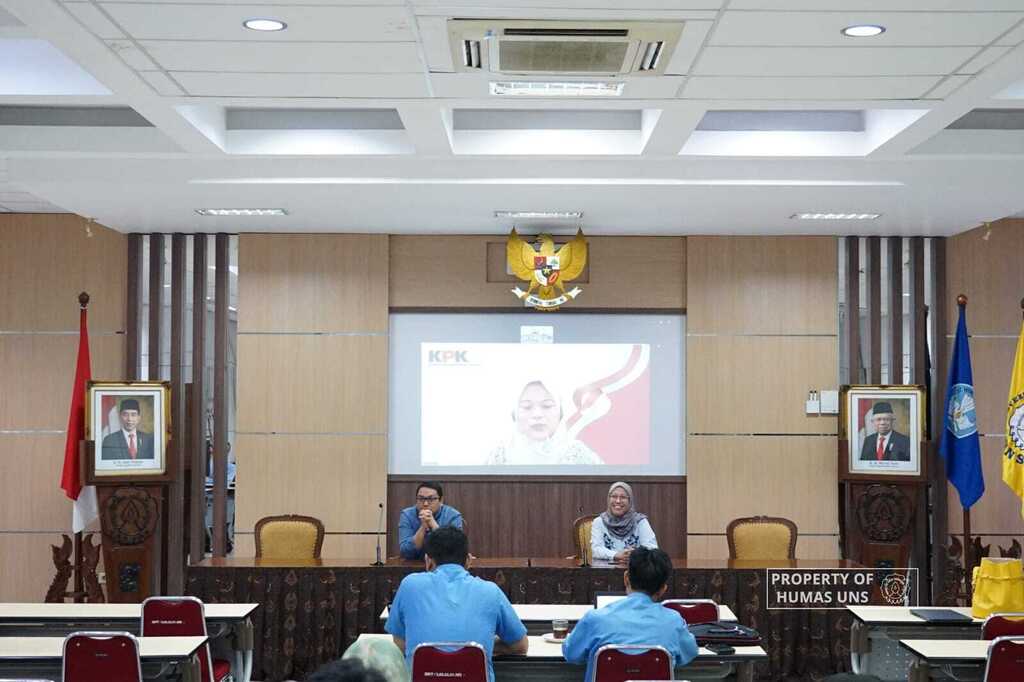
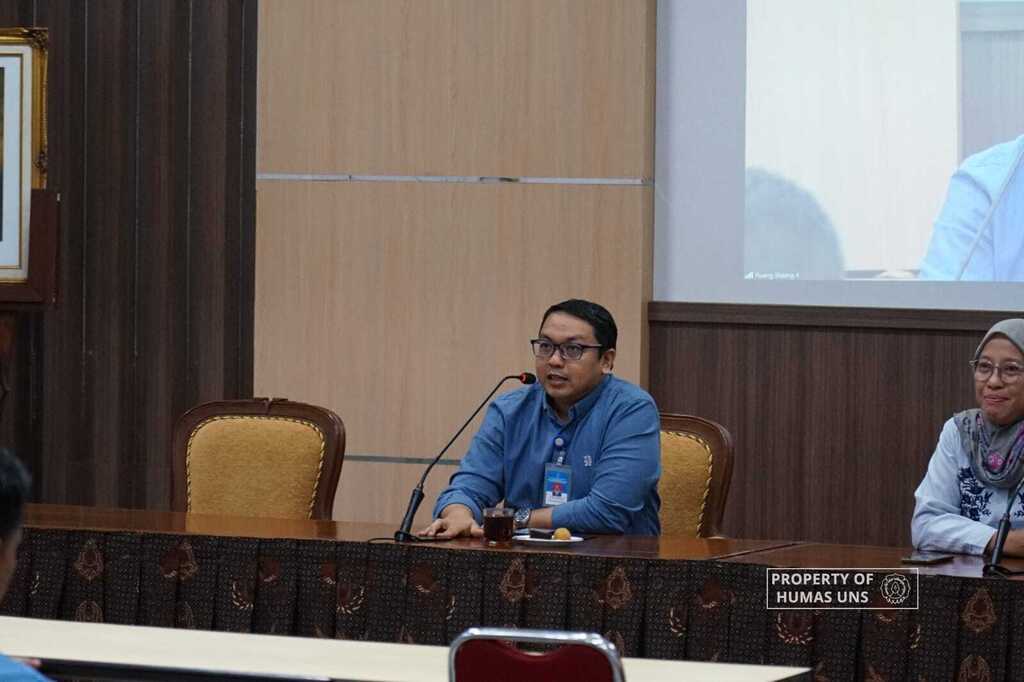
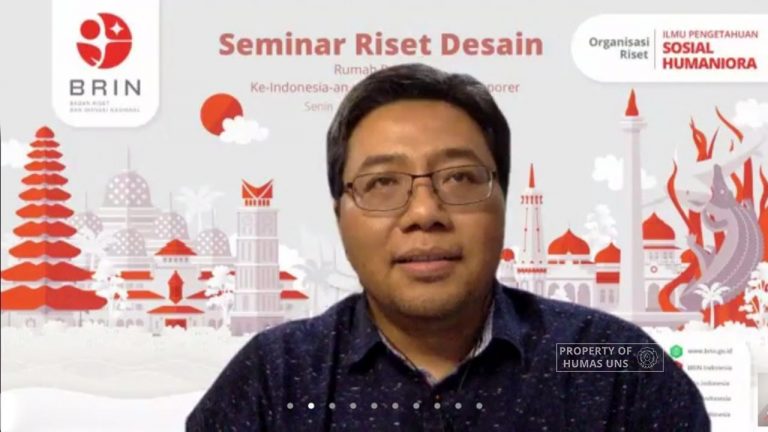
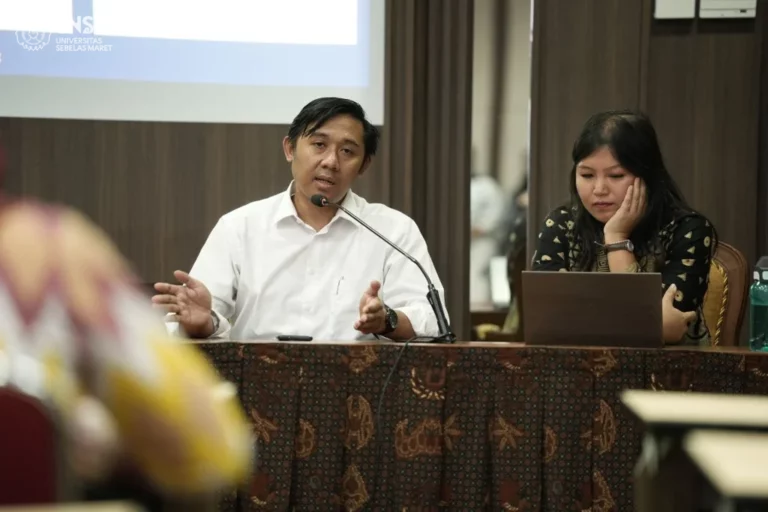
The main workshop session was moderated by Retno Tanding, Ph.D. UNS invited Yuanda Angelia Setiawati, a member of the Task Force for the Gratification Control Program, Directorate of Gratification and Public Services, KPK RI. Yuanda, a specialist in Anti-Corruption Campaigns from KPK, engaged the participants in a lively discussion about gratification. She provided unique case examples of gratification in higher education institutions.
Yuanda clearly explained various forms of conflicts of interest and potential gratifications. She also provided practical guidelines for preventing and handling these situations. According to her, integrity and professionalism are the keys to maintaining public trust.
For example, it is essential to distinguish between acts of gratification that constitute a crime and those that are merely customary gifts from close relatives or family. Understanding such nuances requires in-depth learning to avoid misunderstandings and remain vigilant.
“Gratification received by an individual must be reported by the recipient within 30 days of receipt. In addition to reporting through the university’s Gratification Control Unit (UPG), reporting is now also facilitated through an online mechanism via the application managed by KPK, called GOL or Gratification Online,” Yuanda emphasized.
Humas UNS
Reporter: R. P. Adji
Editor: Dwi Hastuti