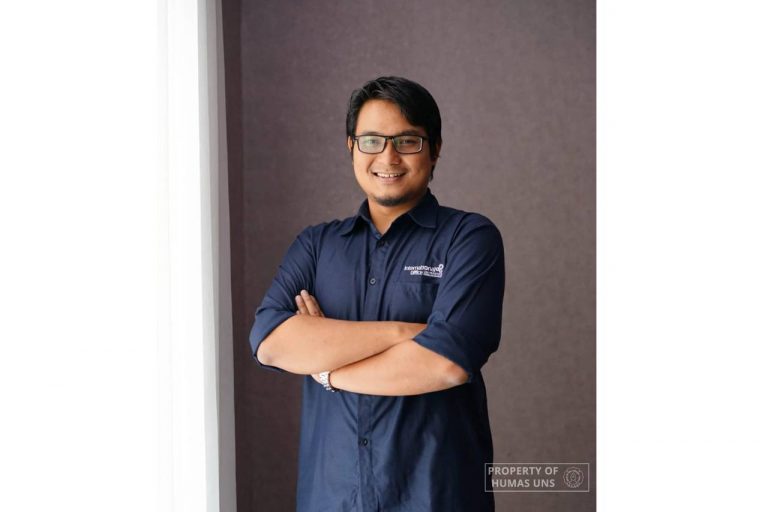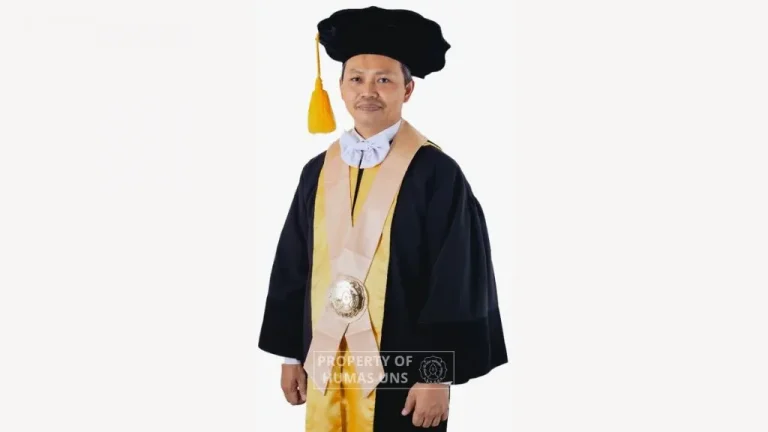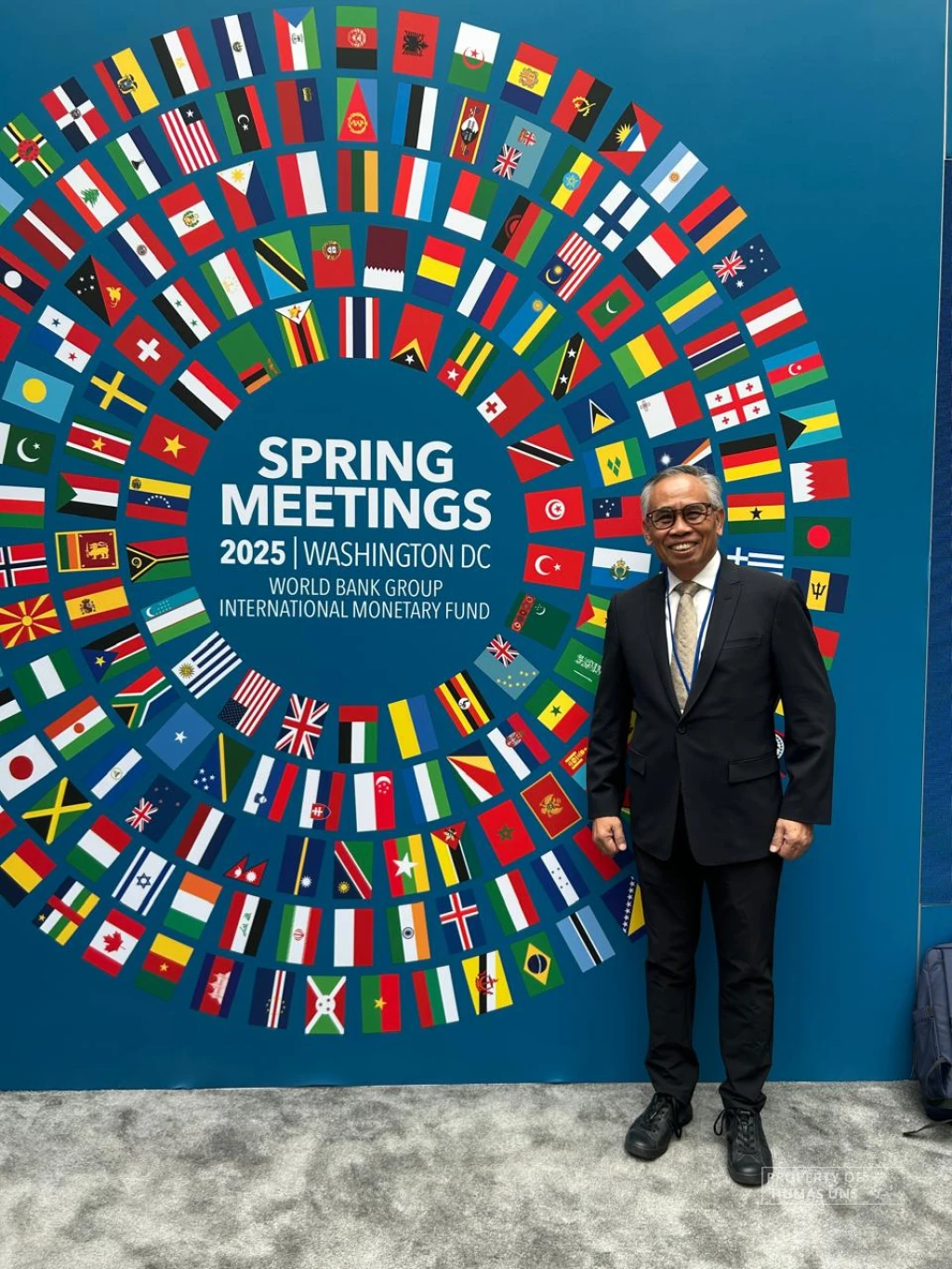
UNS – Prof. Wimboh Santoso, S.E., M.Sc., Ph.D., a professor at the Faculty of Economics and Business (FEB) of Universitas Sebelas Maret (UNS) Surakarta, attended the 2025 Spring Meetings. The International Monetary Fund (IMF) and the World Bank Group hosted the event. The meetings took place in Washington, D.C., from April 17 to 24, 2025.
This prestigious event gathered government officials, central bank governors, and leaders of international institutions. It also brought together private sector executives, NGO representatives, and academics from across the globe.
Prof. Wimboh attended the forum in his capacity as an economist and a professor representing UNS.
Highlight of the Global Economy Panel Discussion
Prof. Wimboh emphasized a particularly engaging session titled “Debate on the Global Economy: Growth and Resilience in an Uncertain World.” He highlighted the session’s importance in addressing global economic challenges.
“Many participants highly anticipated this panel session because it addressed economic situations in major countries. The discussion covered the United Kingdom, Germany, the United States, and Argentina. The panel especially focused on the impact of President Trump’s tariff policies,” Prof. Wimboh explained.
The panel featured several prominent figures from the international economic and financial sectors. There were as follows:
- Kristalina Georgieva, Managing Director of the IMF
- Kristin J. Forbes, Professor of Global Economics and Management at MIT
- Jörg Kukies, Germany’s Federal Minister of Finance
- Rachel Reeves, Chancellor of the Exchequer of the United Kingdom
- Federico Sturzenegger, Argentina’s Minister of Deregulation and State Transformation
Many countries expressed deep concern regarding the potential implementation of tariff policies. However, Prof. Wimboh stressed that every nation must strengthen its domestic policies. He pointed out that many have overlooked these policies.
He underscored the importance of efficiency, bureaucratic reform, and deregulation as national priorities. These measures aim to cushion the effects of a possible global tariff war. Argentina, for instance, has established a special Ministry of Deregulation. However, skepticism remains about the effectiveness of such initiatives in mitigating the consequences of President Trump’s policies.
Perspectives from Key Global Economists
Kristalina Georgieva expressed confidence that each country’s domestic policies would be sufficient to mitigate the risks of a trade war. Moreover, she emphasized that the global economy would become more resilient. She believed this would happen if the United Kingdom and Europe, represented by Germany, could reunite within the European Union.
On the other hand, Kristin Forbes voiced doubts. She argued that national policies alone might not fully offset the negative impacts caused by President Trump’s tariff measures.
These discussions reflect the complexity and uncertainty surrounding global economic resilience amid shifting international trade policies.
Humas UNS