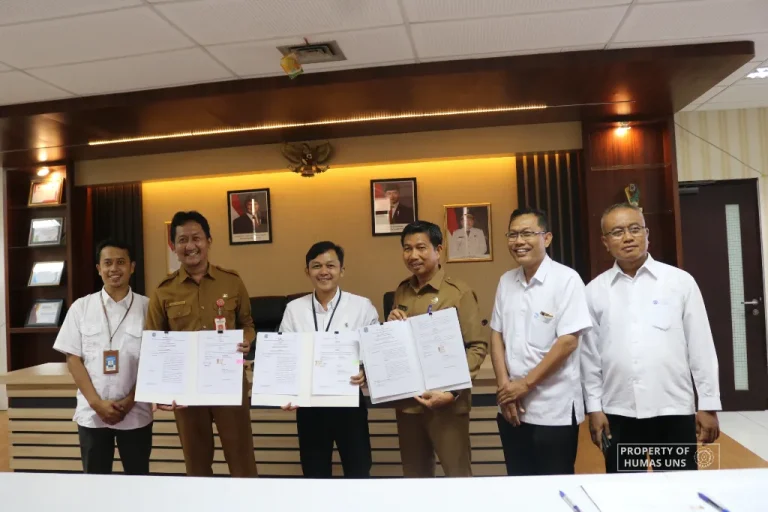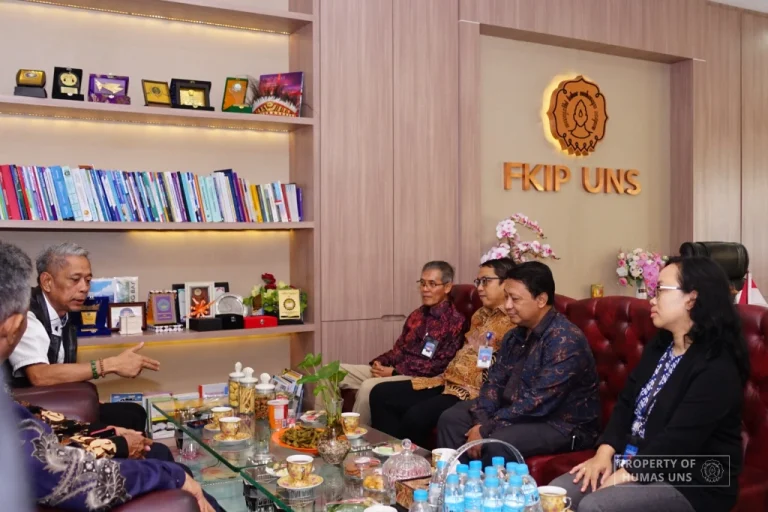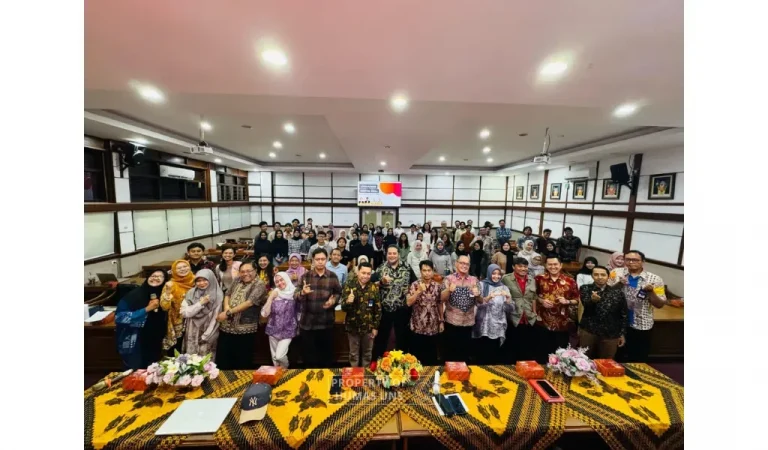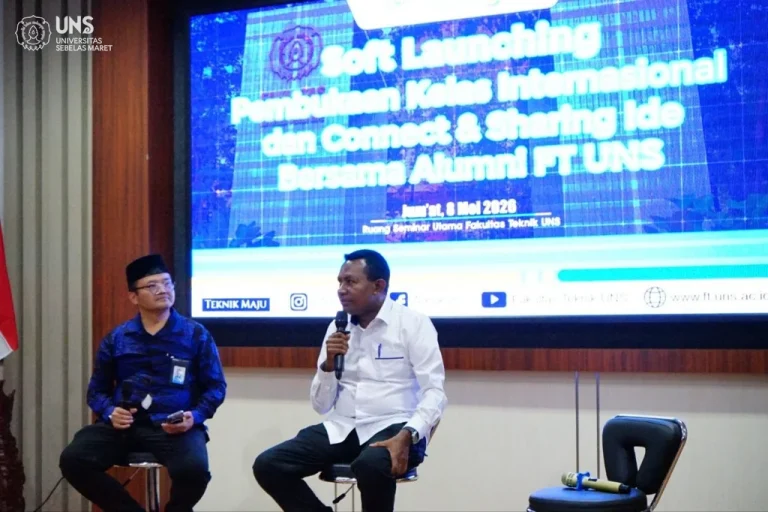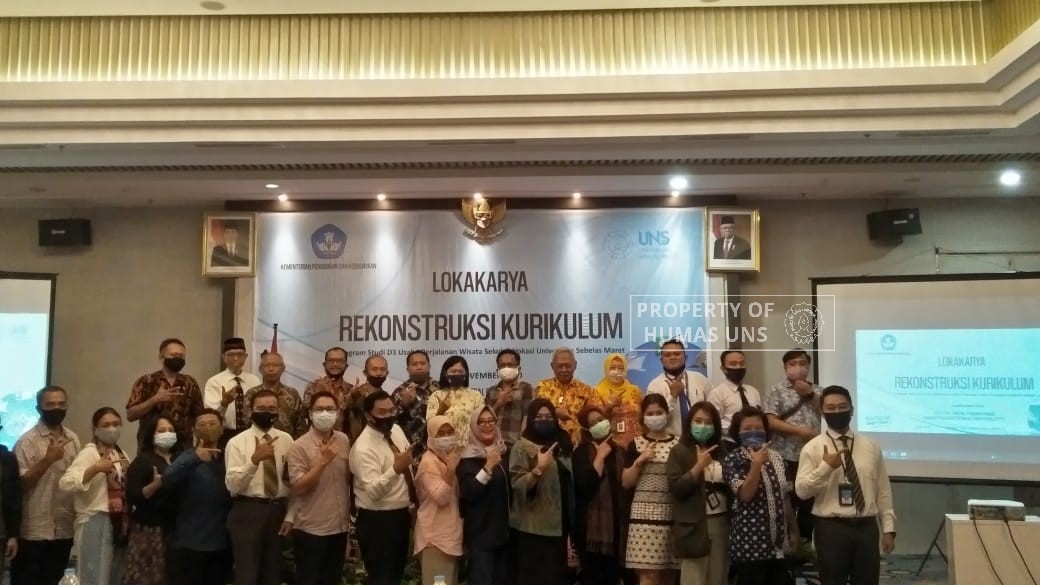
UNS — The Diploma Program (D3) in Travel Business (UPW) Vocational School (SV) Universitas Sebelas Maret (UNS) Surakarta held a Curriculum Reconstruction Workshop in Swiss Belinn Saripetodjo Hotel, Solo, Thursday (5/11/2020). In partnership with the Directorate General of Vocational Education the Program for Strengthening Vocational Education at Higher Education (Direktorat Jenderal Pendidikan Vokasi Program Penguatan Pendidikan Tinggi Vokasi – PPPTV) of the Ministry of Education and Culture (Kemendikbud) Republic Indonesia (RI), the agenda was attended by 35 participants representing the internal teaching staff, practitioner teaching staff, partners, alumni, and active students.
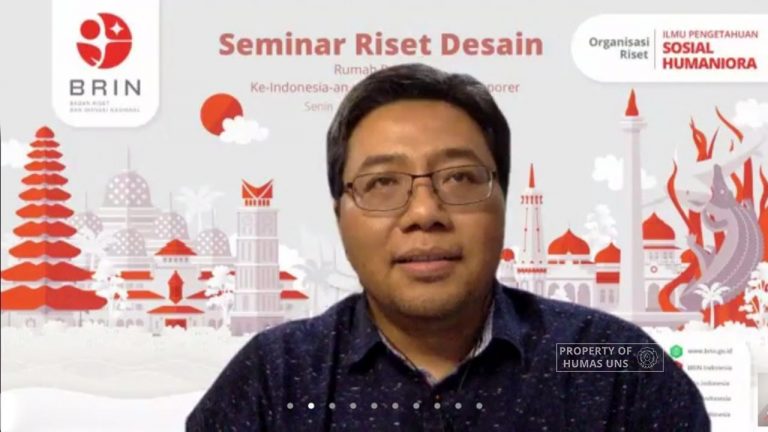
On this occasion, the Director of SV UNS, Drs. Santoso Tri Hananto, M.Acc., Ak. attended to provide an opening remark and open the workshop. He explained that the background of this event is the direction of education in Indonesia which is different from what needed by the industry. Drs. Santoso said that it is as if the industry moves into north while the education moves into the south so that an effort needs to be taken to improve this condition, which is through curriculum reconstruction. “The Diploma Program in Travel Business got a grant for strengthening program from the Directorate of Vocational Education. Hopefully, this can continue to be developed in the future,” Santoso added.
Two speakers delivered materials in the first-day agenda, Dr. (Cand) Faidlal Rahman, S.E. Par., M.Sc. and the Senior Advisor for Batu Mayor, East Java, the Dean of Faculty of Economics and Business (FEB) Universitas Bina Sarana Informatika and the Deputy of Hildiktipari DWP V, Dr. Ani Wijayanti. Each speaker delivered material on the issues surrounding tourism business from the practitioner and academic point of view.
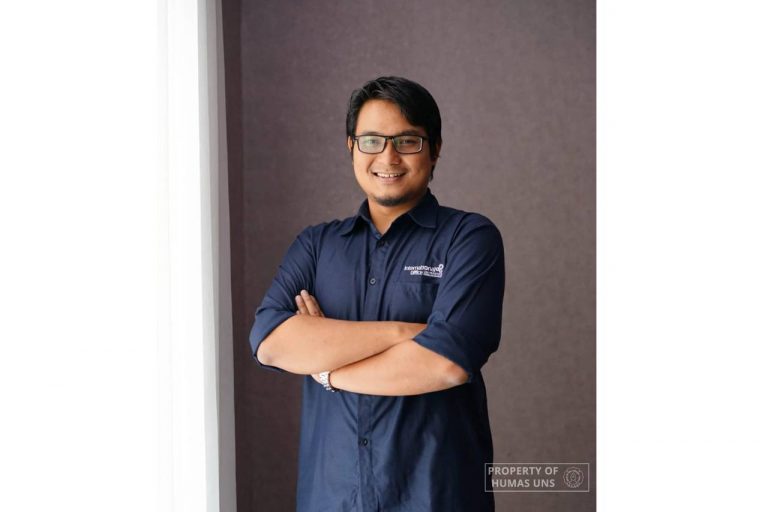
National and international tourism development is the first topic discussed by Faid. As an opening, he shared the tourism condition amid the pandemic which has a great effect on Indonesia tourism. He mentioned that this year, the number of visitations dropped by 51%. Considering this development, business actors need to realize the need to change in the future, especially in term of Human Resource for tourism. “In the future, the employees need to have multiple skills and talents,” Faid stated. Further, he also explained that the other problem experienced by the tourism industry in Indonesia is the reluctance to adapt to technology. This leads to the submaximal services provided by the industry. Thus, in the future, the industry can be developed by involving information technology such as through the development of the virtual tour.
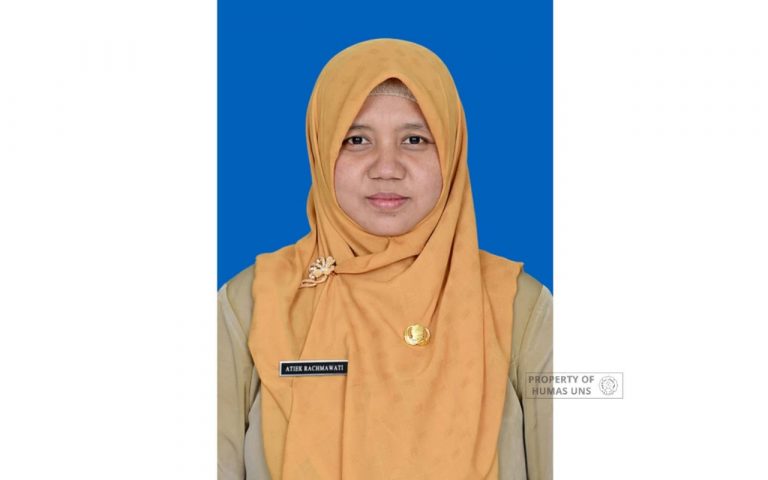
The next material delivered by Dr. Ani Wijayanti is surrounding the policy direction of Vocational Higher Education (Pendidikan Tinggi Vokasi – PTV) in tourism concerning the development of the tourism industry. Currently, the graduates of the tourism program are often questioned by the community. This, according to Dr. Ani, can become the fundamental problem that should be solved and used as a reference in preparing a curriculum. “We need to understand the profile, what it will look like in the future, which can be used to plan the learning program,” Ani stated.
Often, the academics or campus forget to answer the question of “what the graduates will become” which is the starting point to prepare learning program, assignments, and competence that the students should achieve. Additionally, the school needs to consider industrial’s need in determining their graduate’s profile, this is where the alumni and practitioner take a role in providing a suggestion for the school. In the era of millennials generation occupying most of the workforce, Ani reminded that character education is also important to be done. “More attention to manners and work ethics. Skill can be built but the character will need time to be developed. Especially for the young generation. This becomes homework for us,” Ani concluded. HUMAS UNS
Reporter: Ratri Hapsari
Editor: Dwi Hastuti